Oct 2, 2026 · 1h 10m
Edwin May defends remote viewing while admitting its limits
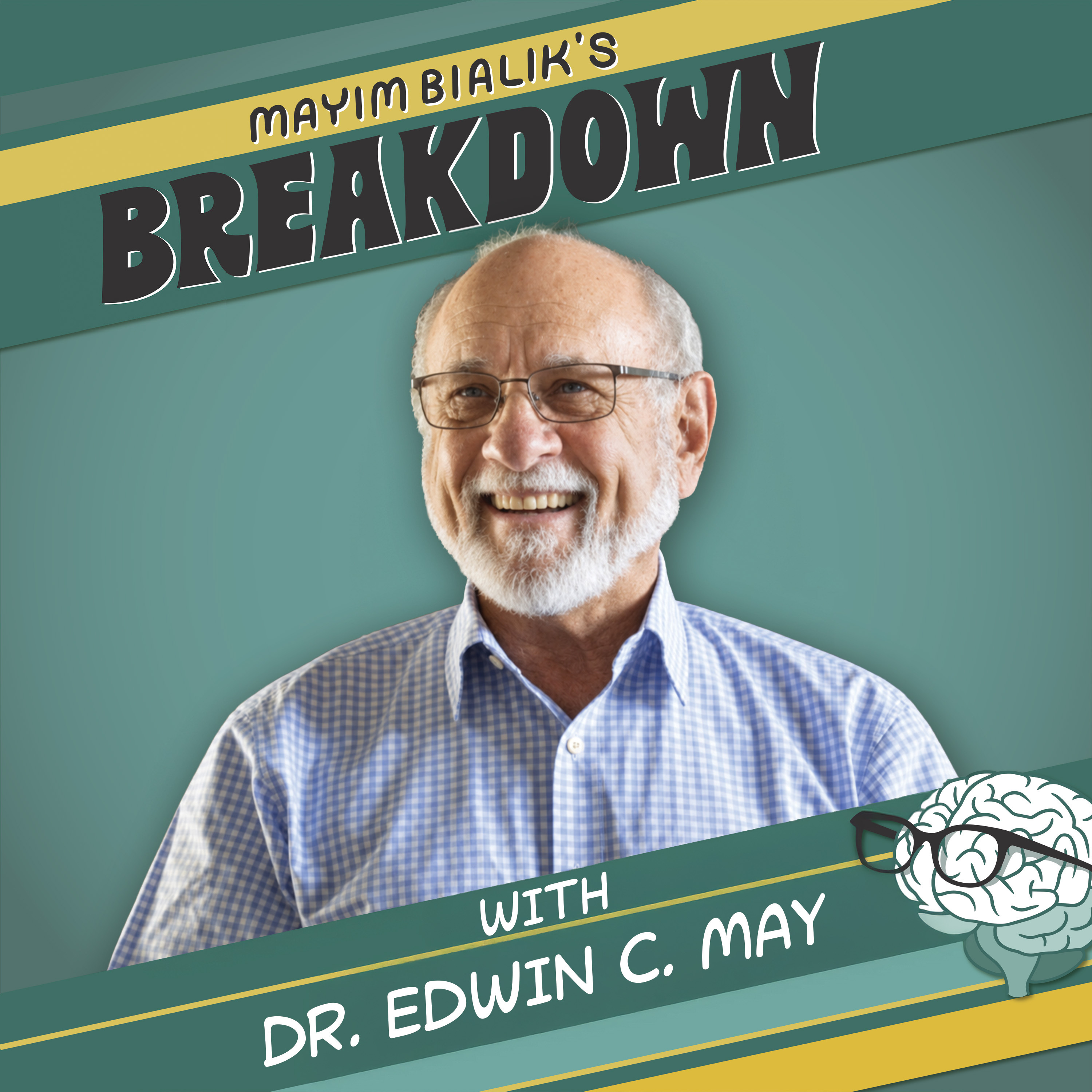
CIA Used Psychics To See The Future: The Secret Remote Viewing Program That Sent Psychic Spies on 500 Classified Missions, Plus Signs That You Might Have These Abilities | Dr. Edwin C. May
The conversation tests whether reported psychic effects can count as science when accuracy varies, training fails, and the mechanism remains unknown.
- 1Edwin May says remote viewing produced statistically significant results across government missions, but remained too unreliable for many high-stakes predictions.
- 2He argues precognition may explain ESP, while individual differences and failed universal training methods undermine simple claims that anyone can learn it.
- 3The episode frames remote viewing as an unresolved challenge to theories of consciousness and physics, not proof that consciousness survives death.
Don't miss
May explains why statistically significant remote-viewing results can still be too unreliable for high-stakes individual predictions.
The brief
Physicist Edwin C. May, a former Stargate director, makes the case that remote viewing is measurable while conceding that its accuracy is limited and highly variable.
May traces the program from Cold War fears of psychic intelligence to more than 500 missions across 19 agencies, including reported work involving Korean-border tunnels and missing people.
His central claim is that precognition, not conventional telepathy, may explain how information appears before a target is selected; the mechanism remains unresolved.
The episode’s practical tension is stark: top viewers can exceed chance, yet individualized methods, fatigue, novelty, and failed military training prevent a dependable universal system.
Mayim Bialik and Jonathan Cohen then widen the question from psychic performance to consciousness, materialism, near-death experiences, and whether innate abilities can be cultivated.
Books & mentions
Some links are affiliate links — PodLume may earn a commission if you buy.
