Nov 13, 2026 · 31 min
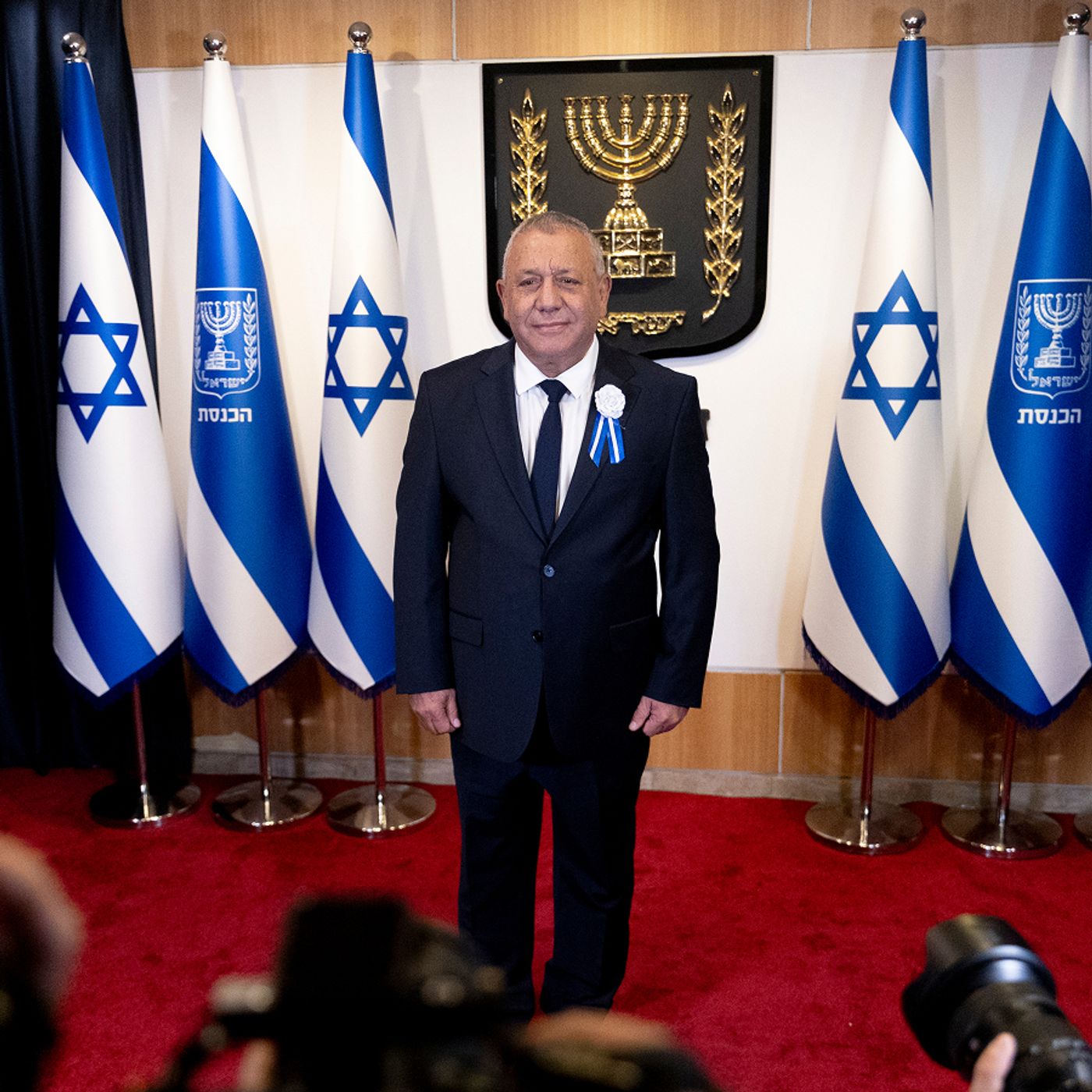
Eisenkot’s coalition gamble could revive Netanyahu
Can Israel’s Opposition Unseat Netanyahu?
The coalition’s fate will determine whether Israel gets a new government, returns to Netanyahu’s leadership, or heads toward another election.
- 1Eisenkot must turn a 48-seat bloc into the 61 seats required to govern before his deadline expires.
- 2Ultra-Orthodox and Arab parties could provide the votes, but each partnership demands concessions that challenge Eisenkot’s promises.
- 3Failure could let Netanyahu benefit from caretaker power or force Israel back to the polls.
Don't miss
The discussion weighs whether Arab parties can shape Israel’s government while being subjected to loyalty tests and excluded by other coalition partners.
The brief
After Israel’s consequential election, opposition leader Gadi Eisenkot has a limited window to assemble a 61-seat coalition from a bloc that currently controls 48 seats.
David Halbfinger explains why a unity government with Benjamin Netanyahu is politically implausible, while failure could leave Netanyahu in power or trigger new elections.
Ultra-Orthodox parties could supply votes, but their demands for military-service exemptions and subsidies collide with Eisenkot’s promises to soldiers, reservists, and taxpayers.
Arab parties won 19 seats and could become kingmakers, yet Eisenkot’s conditions on equality, national service, Israel’s identity, and Hamas create difficult loyalty tests.
The episode’s central tension is whether Israel can claim democratic inclusion while excluding Arab lawmakers from influence when their votes may decide the government.
Weekly email
State of the Pod, every Monday
The week's most-discussed names and stories from podcasts, with the moments behind them. Free, five minutes, unsubscribe in one click.