Nov 10, 2026 · 10 min
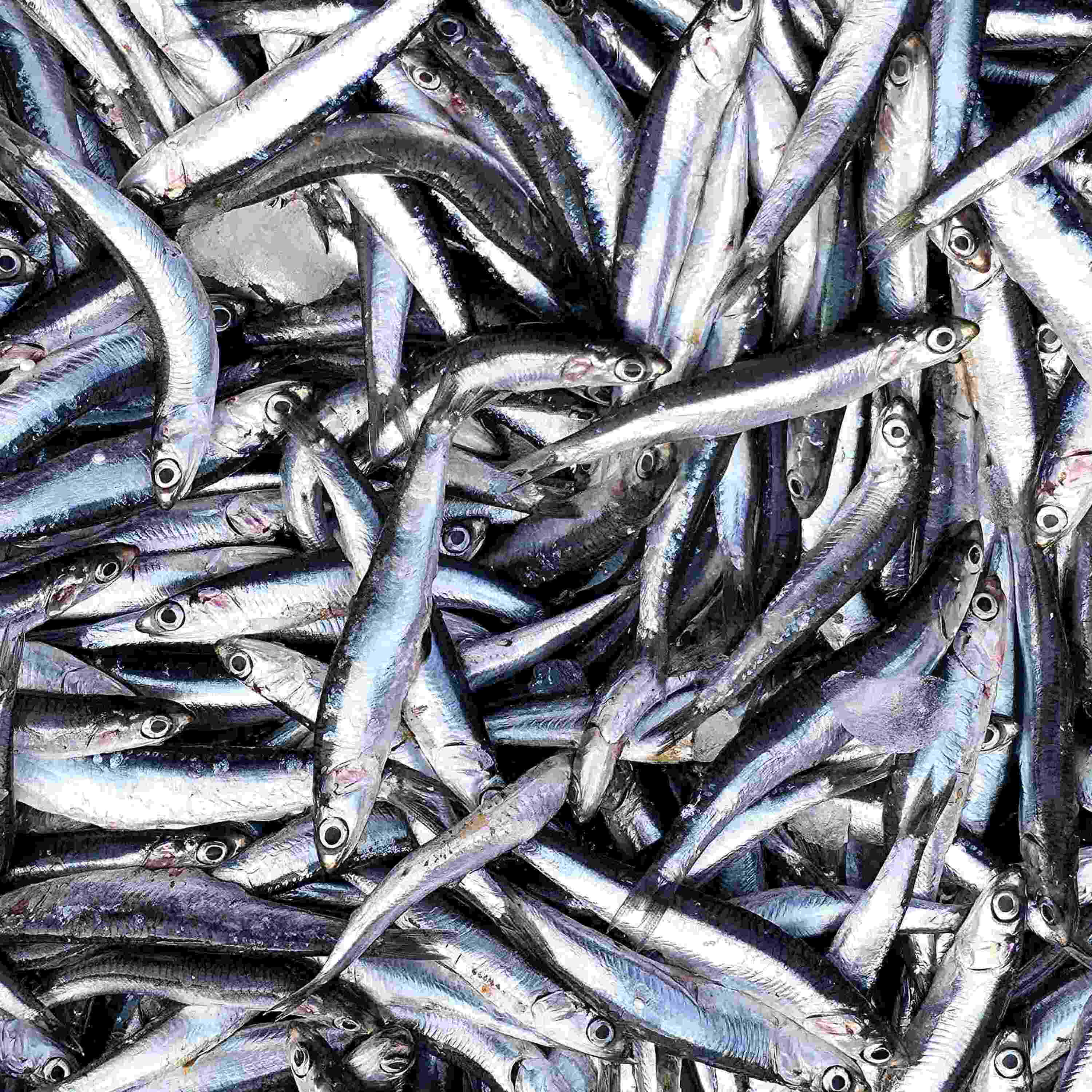
El Niño threatens Peru’s anchovy economy and global growth
How this year's record El Niño could hit your wallet
The episode connects a disrupted fishery to higher food-system costs and evidence that major El Niño events can damage economies for years.
- 1Warming waters weaken Peru’s Humboldt Current, reducing anchovy catches that supply global fish meal and fish oil markets.
- 2El Niño’s economic damage can persist through disrupted infrastructure, agriculture, health systems, and industries long after the event fades.
- 3Research links major El Niño events to trillions of dollars in lost global growth, with climate change complicating future forecasts.
Don't miss
Chris Callahan explains how major El Niño events can produce economic scars lasting years beyond the immediate climate shock.
The brief
El Niño begins as an ocean event, but its consequences travel through Peru’s anchovy fishery, global markets, and economies far from the Pacific.
Peru’s unusually productive fishery depends on the Humboldt Current and nutrient-rich upwelling; warmer water weakens that system and reduces anchovy catches.
With a fishing season canceled and the sector contracting, fewer anchovies mean tighter supplies of fish meal and fish oil used in supplements, agriculture, and aquaculture.
Climate scientist Chris Callahan explains why El Niño’s economic effects can outlast the weather event, leaving scars through infrastructure, agriculture, health crises, and disrupted industries.
The research points to several trillion dollars in lost global growth after major events, while forecasts for the current El Niño remain uncertain amid global warming.
Weekly email
State of the Pod, every Monday
The week's most-discussed names and stories from podcasts, with the moments behind them. Free, five minutes, unsubscribe in one click.