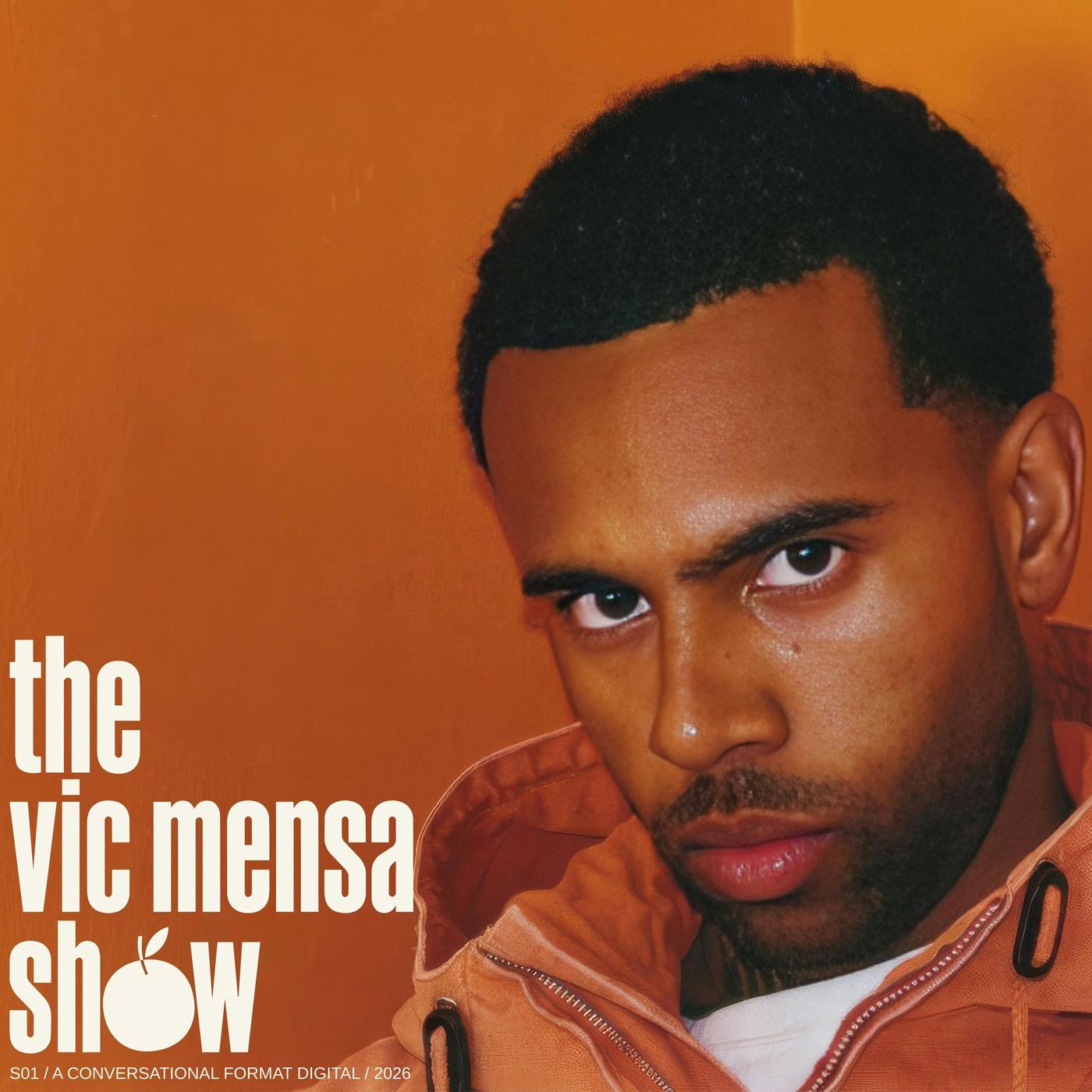
Oct 21, 2026 · 59 min
El-Sayed links healthcare costs to money in politics
Abdul El-Sayed: When Money Talks, The People Pay
The conversation connects Islamophobia, racial inequality, healthcare profiteering, lobbying, and concentrated wealth to a broader argument for solidarity and democratic reform.
- 1El-Sayed frames Islamophobia and scapegoating as forces that obscure structural inequality in schools, healthcare, and public life.
- 2The discussion links American healthcare prices to insurers, pharmaceutical companies, hospital systems, and lobbying power rather than medical necessity alone.
- 3Both speakers argue that regulation, campaign-finance reform, and solidarity are necessary to prevent concentrated wealth from overwhelming public institutions.
Don't miss
El-Sayed connects high healthcare prices, industry lobbying, Citizens United, and monopoly power into a single argument about concentrated wealth overwhelming democracy.
The brief
Vic Mensa and Abdul El-Sayed begin with faith, accountability, and racist attacks on El-Sayed’s campaign, then widen the argument toward an America that guarantees healthcare and opportunity.
Their discussion of Detroit schools traces unequal outcomes through redlining, property taxes, environmental injustice, and the city’s Arab, Black, labor, and migration histories.
On Palestine, they examine the gap between public opinion and bipartisan consensus, criticizing lobbying and military aid while insisting on safety, rights, and self-determination.
El-Sayed explains U.S. healthcare prices through inelastic demand, insurers, deductibles, and industry power, contrasting that system with Canada and making the case for Medicare for All.
The standout argument arrives when healthcare profiteering, Citizens United, and monopoly power become one problem: markets need rules strong enough to stop wealth from dominating democracy.
The episode closes on a shared standard for public life: every child should have excellent schools and healthcare, regardless of race, wealth, or background.
Weekly email
State of the Pod, every Monday
The week's most-discussed names and stories from podcasts, with the moments behind them. Free, five minutes, unsubscribe in one click.