Nov 13, 2026 · 34 min
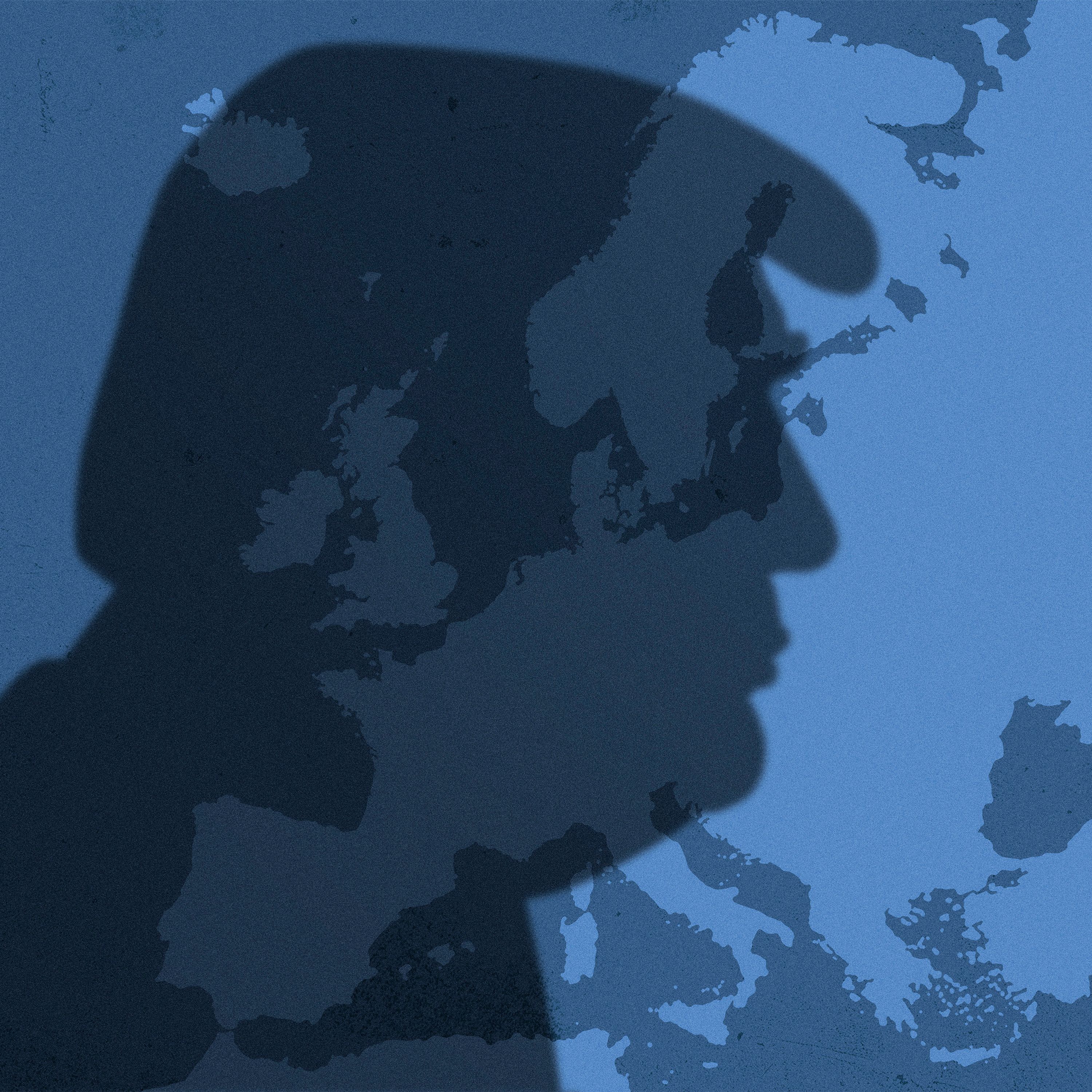
Europe Reconsiders Its Place in a Post-American Order
Historian Timothy Garton Ash on the World After Trump
The episode examines whether Europe and other democratic middle powers can compensate for damaged trust in American leadership while confronting Russia, China, and domestic populism.
- 1Post-Cold War optimism gave way to inequality, Russian aggression, China’s rise, and doubts about liberal democracy.
- 2The U.S. midterms may constrain Donald Trump domestically but do little to restore European confidence in American security guarantees.
- 3A stronger, strategically autonomous Europe must support Ukraine and cooperate with democratic partners beyond the Atlantic alliance.
Don't miss
Garton Ash argues that a sovereign Ukraine integrated into the European Union is the maximum realistic outcome, while warning that Russia may test NATO territory.
The brief
David Remnick and Timothy Garton Ash trace liberal internationalism’s decline from post-Cold War optimism through economic crises, inequality, Russian revanchism, and China’s authoritarian appeal.
From a European perspective, the U.S. midterms may limit Donald Trump but cannot repair confidence in American foreign policy, making European resilience and democratic partnerships more urgent.
On Ukraine, Garton Ash argues that a strong, sovereign country integrated into the European Union is the maximum realistic outcome, while Russian hybrid attacks keep support essential.
The conversation connects Europe’s far-right surge to aging, debt, immigration, and welfare pressures, while warning that close elections can still be changed by political mobilization.
Garton Ash’s broader prescription is liberal patriotism: reclaim national identity, address inequality and housing, and build a Europe capable of acting in a post-Western order.
Weekly email
State of the Pod, every Monday
The week's most-discussed names and stories from podcasts, with the moments behind them. Free, five minutes, unsubscribe in one click.