Nov 23, 2026 · 9 min
Listen from 6:35
Listen at 6:35
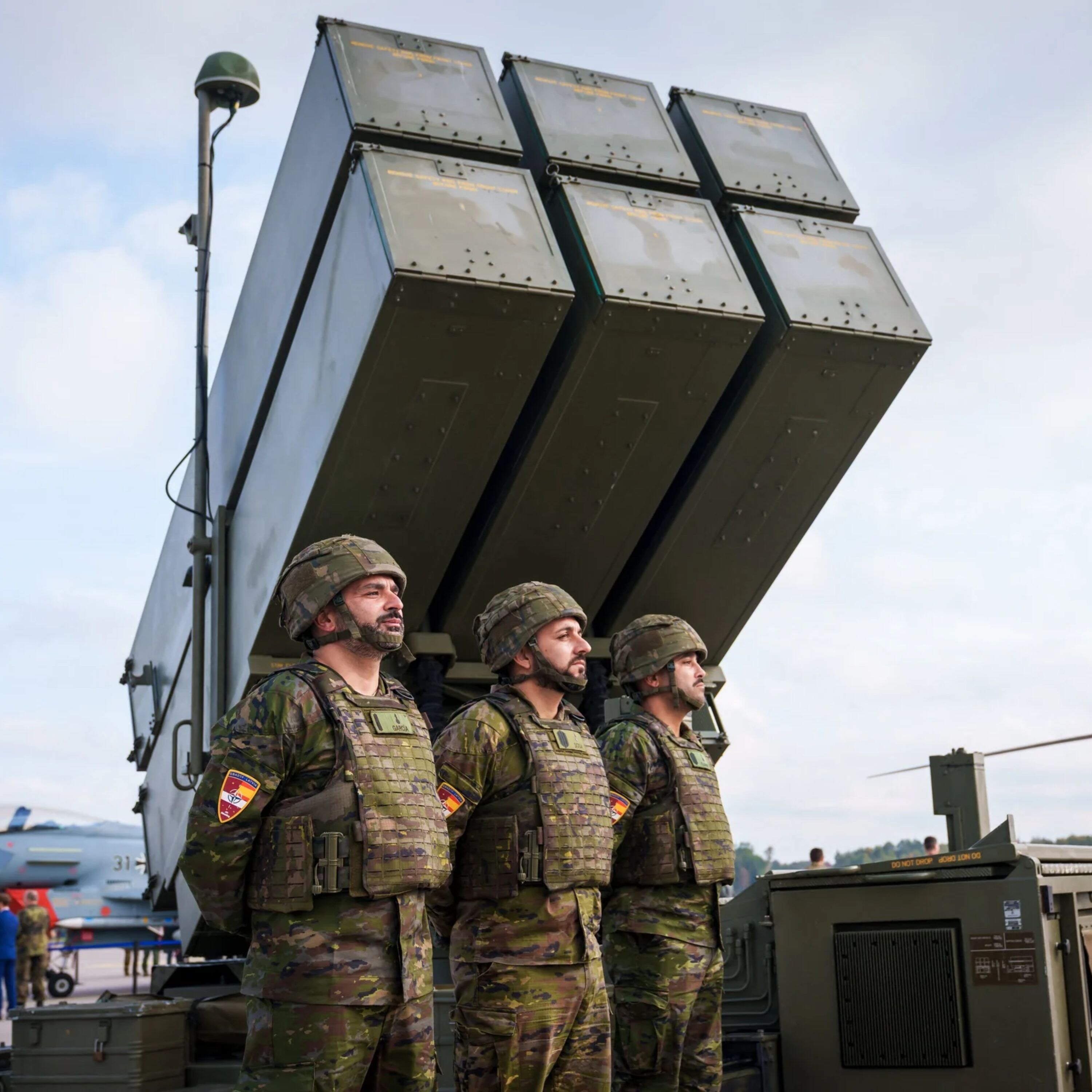
Europe’s defense buildup runs into an American money problem
How American money is changing Europe's defense strategy
Europe is spending more to reduce its security dependence on the United States, but fragmented markets and foreign capital could limit that independence.
- 1Europe’s defense budgets are surging after Russia’s invasion of Ukraine and uncertainty about continued American security support.
- 2Fragmented procurement and concentrated suppliers make it difficult for European countries to expand production efficiently or build interoperable systems.
- 3American venture capital helps fund European defense startups while creating concerns about control, relocation, and access to strategic technology.
Don't miss
The episode weighs how American venture capital can strengthen European defense startups while potentially giving U.S. investors influence over strategically important technology.
The brief
Europe is rapidly expanding defense budgets after Russia’s invasion of Ukraine and uncertainty about continued U.S. support. The episode asks whether spending alone can produce a stronger, more independent defense sector.
Johannes Binder explains how Europe’s long reliance on American military capabilities created a peace dividend—and left its own defense industry unprepared for a rapid expansion.
The central obstacle is fragmentation: the European Union’s 27 countries often develop weapons systems separately, duplicating costs and producing equipment that cannot work together.
Large defense companies favor expensive traditional platforms while risk-averse investors underfund startups and emerging technologies such as drones, slowing the sector’s adaptation.
The standout tension is financial: American venture capital supplies as much as half of investment in European defense startups, but that support could become a strategic vulnerability.
Europe’s defense challenge is therefore not simply how much governments spend, but who controls the companies, technology, and production capacity that spending creates.
Weekly email
State of the Pod, every Monday
The week's most-discussed names and stories from podcasts, with the moments behind them. Free, five minutes, unsubscribe in one click.