Nov 13, 2026 · 1h 18m
Favreau links political distrust to institutional decay
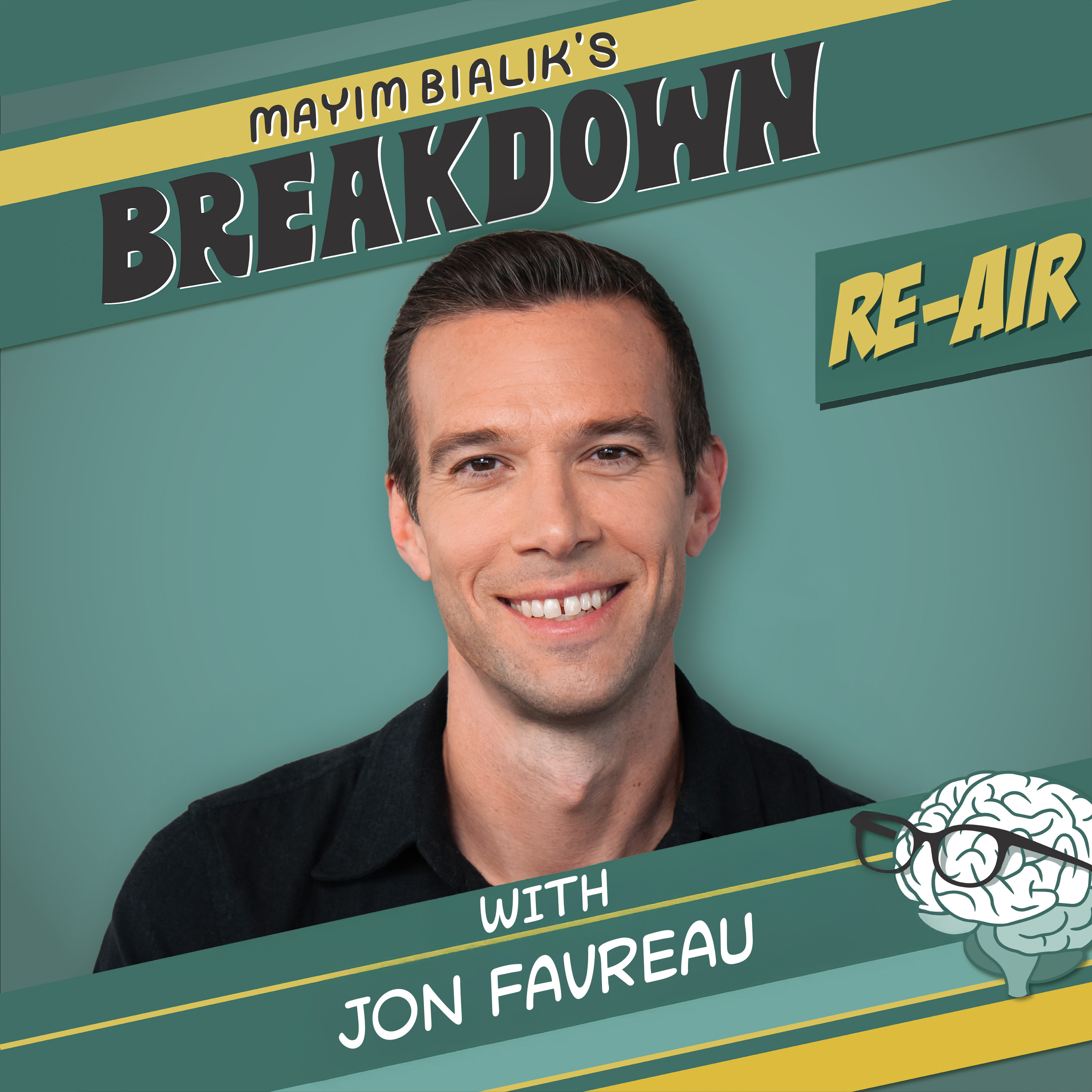
Re-Air: Crypto Conspiracy Exposed: Hidden Bribes Threaten U.S. Security - Jon Favreau
The conversation examines how polarization, economic insecurity, and perceived corruption weaken democratic trust—and what might rebuild it.
- 1Outsider-led disruption can create chaos in essential government services without addressing the federal budget’s largest pressures.
- 2Medicaid cuts, tax policy, and partisan messaging show how competing narratives can obscure policies’ effects on voters’ lives.
- 3Favreau argues that democratic renewal requires honest leadership, broad coalitions, grassroots organizing, and listening beyond the political bubble.
Don't miss
Favreau argues that political movements cannot rebuild trust by disputing what voters directly see, hear, and feel in their lives.
The brief
Jon Favreau revisits a political moment defined by polarization, distrust of government and media, and an anti-institutional populism that turns frustration into conflict.
The discussion contrasts the appeal of efficiency with the risks of outsider-led government, arguing that treating essential institutions like a technology company can produce chaos.
Medicaid cuts, tax deadlines, and partisan budget claims reveal how political identity shapes reactions to shared facts—and why voters’ lived consequences matter more than slogans.
Trump family cryptocurrency ventures, pardons, and suspicious stock trades become tests of whether existing ethics rules can restrain self-dealing and preserve public trust.
Favreau’s answer to democratic cynicism is neither blind faith nor despair: leaders must acknowledge institutional failure, build broad coalitions, and organize through honest, grounded conversation.
Books & mentions

Weekly email
State of the Pod, every Monday
The week's most-discussed names and stories from podcasts, with the moments behind them. Free, five minutes, unsubscribe in one click.