Nov 17, 2026 · 26 min
Listen from 6:53
Listen at 6:53
Four fictional meals turn food into memory, care and defiance
The on-screen meals we'd love to eat (for real)
The episode shows why screen food lingers: meals can carry nostalgia, romance, hospitality and emotional connection as powerfully as dialogue.
- 1Matilda’s chocolate cake makes spectacle and childhood defiance inseparable from appetite.
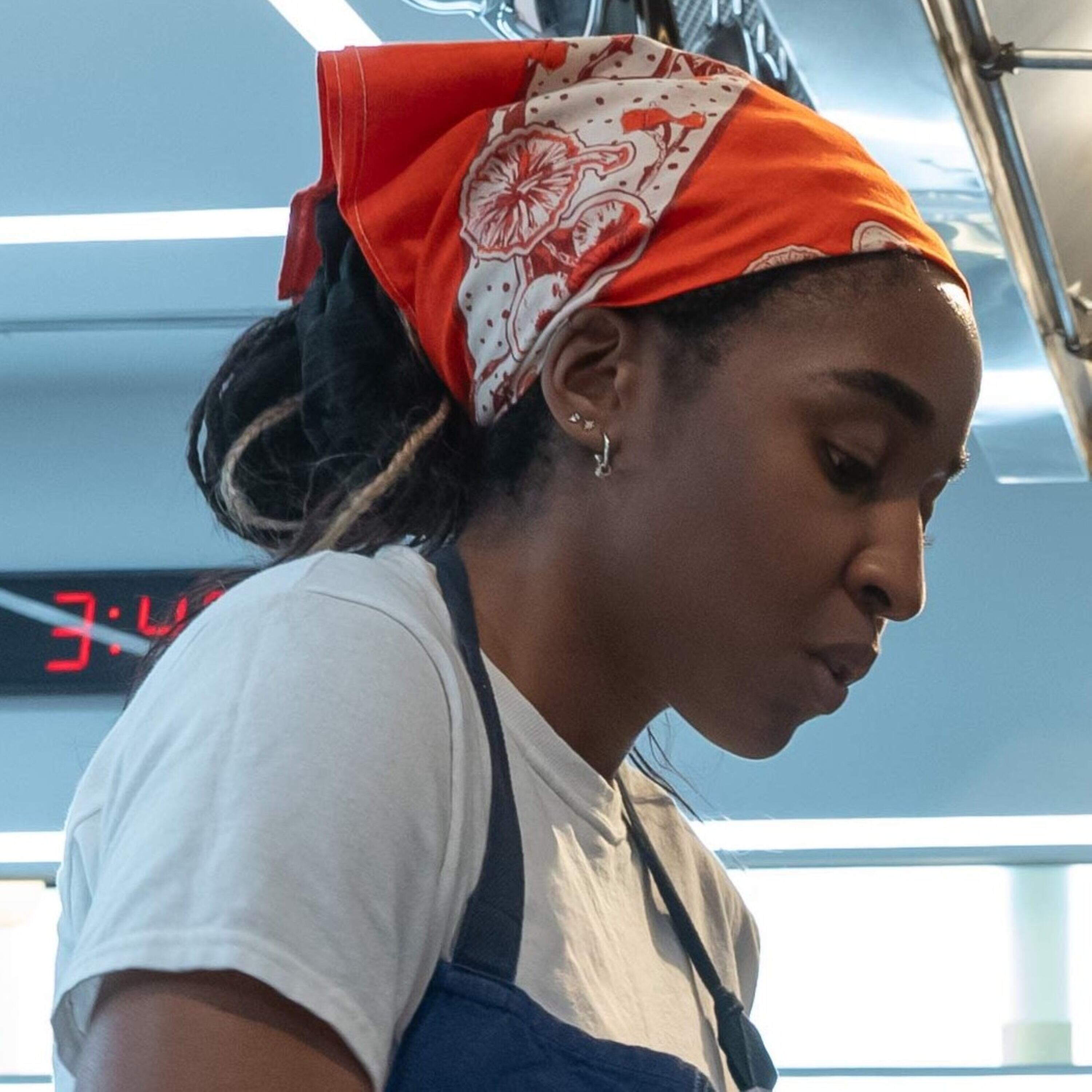
- 2The Bear’s omelet frames technical precision as an intimate act of care and comfort.
- 3The Taste of Things and The Lunchbox use food to express romance, generosity and connection.
Don't miss
The discussion of Matilda’s enormous chocolate cake captures how a food scene can make cruelty, rebellion and childhood longing collide.
The brief
The hosts build a menu of fictional meals they would love to eat, treating food scenes as emotional storytelling rather than simple displays of appetite.
Aisha’s choice, the enormous chocolate cake in Matilda, combines cruelty, childhood nostalgia and defiance in one unforgettable act of forced indulgence.
Linda turns to The Bear’s cheese omelet, made by Sydney for Natalie, where careful technique becomes hospitality for someone exhausted and vulnerable.
Stephen chooses oysters and a lavish feast from The Taste of Things, a film where historical cooking becomes sensual, painstaking romantic expression.
Glenn’s selection, The Lunchbox, makes homemade food a bridge between strangers, while the closing raisin debate gives the episode its comic counterpoint.
Weekly email
State of the Pod, every Monday
The week's most-discussed names and stories from podcasts, with the moments behind them. Free, five minutes, unsubscribe in one click.