Oct 9, 2026 · 26 min
France’s welfare state collides with a generational reckoning
Why France Is in Crisis
France’s mounting debt and pension obligations are squeezing the resources available to younger people while narrowing the government’s room to respond.
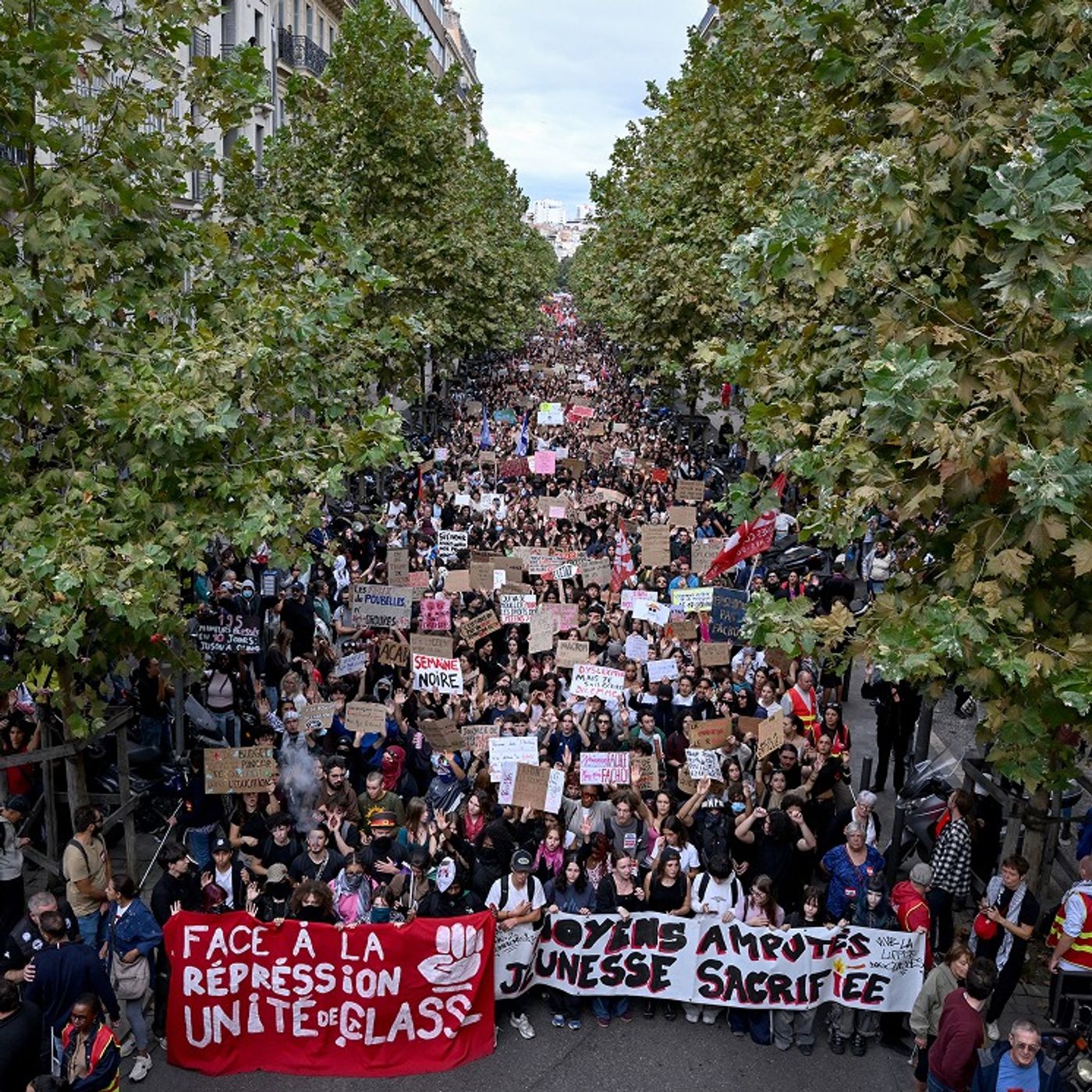
- 1Student protests expose a generational conflict between underfunded public schools and costly pension commitments.
- 2Macron’s reform agenda faltered as public anger, inflation, higher borrowing costs and new geopolitical demands intensified fiscal pressure.
- 3A French financial crisis would test the eurozone because the country is too central to Europe for a bailout to be simple.
Don't miss
Mark Landler describes France as potentially too important to fail but too expensive to save if pension obligations keep growing.
The brief
Young French protesters are challenging a welfare model that promises generous pensions while leaving schools, families and workers competing for limited public resources.
Mark Landler explains how decades of deficits, pension obligations and rising borrowing costs have narrowed France’s options, despite Emmanuel Macron’s efforts to reform the economy.
Energy costs, war and pressure for greater European defense spending are adding to the bill just as higher interest rates make French government borrowing more expensive.
The sharpest question is whether France could need outside assistance: its size and central role in the European Union make a crisis far more consequential than Greece’s.
The episode ends with a generational dilemma: preserve expansive benefits, or redirect scarce resources toward younger people whose protests signal the welfare state’s future may be contested.