Sep 4, 2026 · 59 min
Geragos revisits the evidence that shaped Scott Peterson’s defense
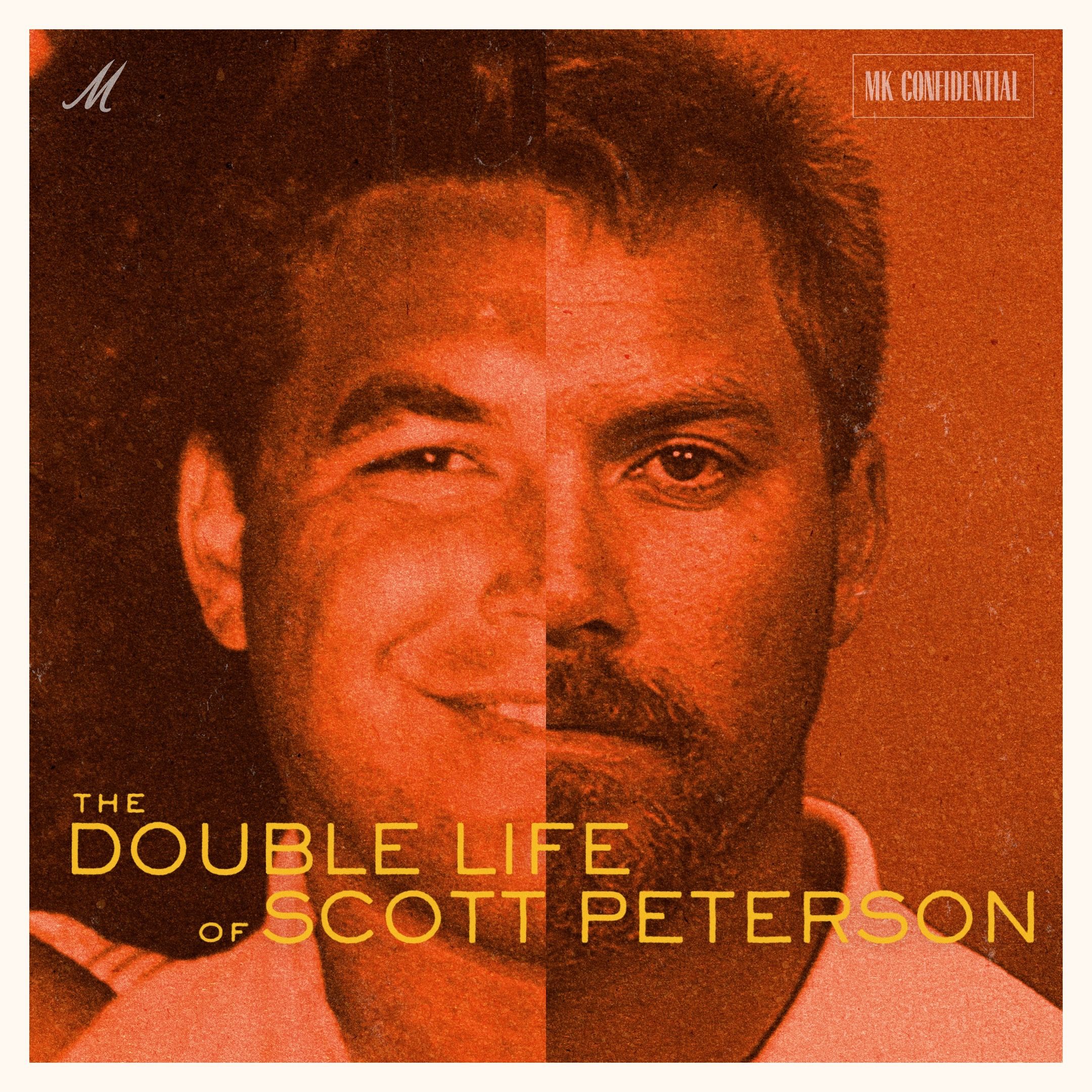
The Double Life of Scott Peterson: Defending Scott Peterson — Ep. 4 | MK Confidential
The conversation tests whether a media-saturated murder trial turned on compelling proof, damaging deception, or a prosecution theory with unresolved gaps.
- 1Geragos says Peterson’s lies and Amber Frey recordings became more damaging than the affair itself.
- 2The defense challenged the prosecution’s timeline, discovery practices, physical evidence, and failure to establish how Laci died.
- 3Megyn Kelly presses Geragos on why potentially favorable witnesses and evidence never reached the jury.
Don't miss
Geragos and Kelly revisit how jurors heard Peterson’s recorded lies to Amber Frey for days, with the tapes becoming a reported turning point.
The brief
Mark Geragos recounts defending Scott Peterson after publicly arguing his case before meeting him, then accepting a trial that had already made him one of the country’s most hated lawyers.
The defense confronted a hostile community, saturated media coverage, and a jury pool shaped by public assumptions before the prosecution had presented its full case.
Geragos describes attacking the prosecution’s shifting timeline through the Christmas Eve computer login, discovery disputes, the boat evidence, and disputed accounts of Laci’s movements.
Amber Frey’s recordings became the prosecution’s emotional center: jurors reportedly found Peterson’s continuing lies during the search more decisive than the affair itself.
Megyn Kelly presses Geragos on missing anchors, alleged eyewitnesses, the burglary theory, and why potentially favorable evidence never reached the jury.
The episode leaves a central tension unresolved: whether the case’s public certainty reflected overwhelming evidence or a trial whose gaps were eclipsed by Peterson’s behavior.
What was said on this episode
20 statements · 8 positive · 9 negative · 3 neutral
Adultery and character flaws do not establish that Scott Peterson committed murder.
“but that does not make him a murderer”
Listen at 0:22
Scott Peterson lacked the capability and ability to commit the murders.
“The guy I met does not have. the capability, the wherewithal, the ability to do it.”
Listen at 1:36
The bodies washing ashore near the fishing location was sufficient to convict Scott Peterson.
“was enough to get him convicted”
Listen at 5:15
Scott Peterson’s background did not indicate he was capable of murder.
“Nothing in his background shows that he could have done it.”
Listen at 10:20
Extensive murder-case experience lets Geragos identify who is capable of murder.
“i will tell you i know who is capable of this”
Listen at 13:50
Scott Peterson’s statements and actions on the recordings were damning.
“It was damning.”
Listen at 16:04
Scott Peterson believed disclosure of Amber Frey would destroy his position with investigators.
“He knew that if Amber surfaced, he was done.”
Listen at 18:49
Geragos recommended sequestering the jury because community outrage threatened impartiality.
“what I want you to do is sequester this jury because the community is, you know, in an outrage over this case.”
Listen at 22:38
Geragos argued that Laci accessed the computer on Christmas Eve morning.
“she had logged in to her computer on the morning of the 24th”
Listen at 26:19
Geragos believed he knew the case facts and discovery better than anyone during trial.
“I knew the facts better than anybody. I knew the discovery better than anybody.”
Listen at 30:25
Geragos claimed Modesto police knew Laci had been in the boat and had a warehouse witness.
“Modesto PD knew that she was in the boat and they had a witness who was at the warehouse.”
Listen at 34:01
Geragos’s boat demonstration repeatedly showed the weighted dummy sinking.
“I tried to have him re reenact what actually happened. He sunk every time.”
Listen at 38:26
The defense did not call the warehouse witness to testify at trial.
“No, she did not testify.”
Listen at 38:53
Investigators never found the alleged concrete anchors.
“OK, they never found the anchors.”
Listen at 40:33
Geragos’s theory was that storms carried the bodies into the area where they were found.
“wherever they were, they were washed up into that area by the storm.”
Listen at 41:23
The recordings were so damaging that Harris believed they endangered the entire defense.
“we're screwed. Because when you hear them, it's a whole different thing.”
Listen at 45:37
Geragos argued that prosecutors established no time, place, or manner of death.
“There's no time of death. There's no place of death. There's no manner of death.”
Listen at 52:04
Geragos argued that Laci’s body could not have been held underwater.
“there is no way that body was underwater”
Listen at 52:36
Televising the trial would have prevented inaccurate public beliefs about the case.
“If it had been televised, then we wouldn't have the urban legends of what the case involved.”
Listen at 57:07
Geragos recommended cameras in the courtroom if the case were retried.
“you have to have a camera in the courtroom.”
Listen at 57:57
Statements are attributed to the speaker as said on the episode and reflect their view at the time, not PodLume's. They are not advice.
Books & mentions
Some links are affiliate links — PodLume may earn a commission if you buy.
