Nov 9, 2026 · 20 min
Listen from 0:18
Listen at 0:18
Godzilla’s spectacle collides with postwar trauma
Godzilla Minus Zero
The discussion tests whether the franchise’s emotionally grounded account of grief and war can withstand a slow, melodramatic buildup.
- 1The film ties giant-monster spectacle to family drama, survivor’s guilt, shame, and World War II’s lingering devastation.
- 2Its delayed escalation and repetitive first hour create a genuine tension between emotional ambition and narrative momentum.
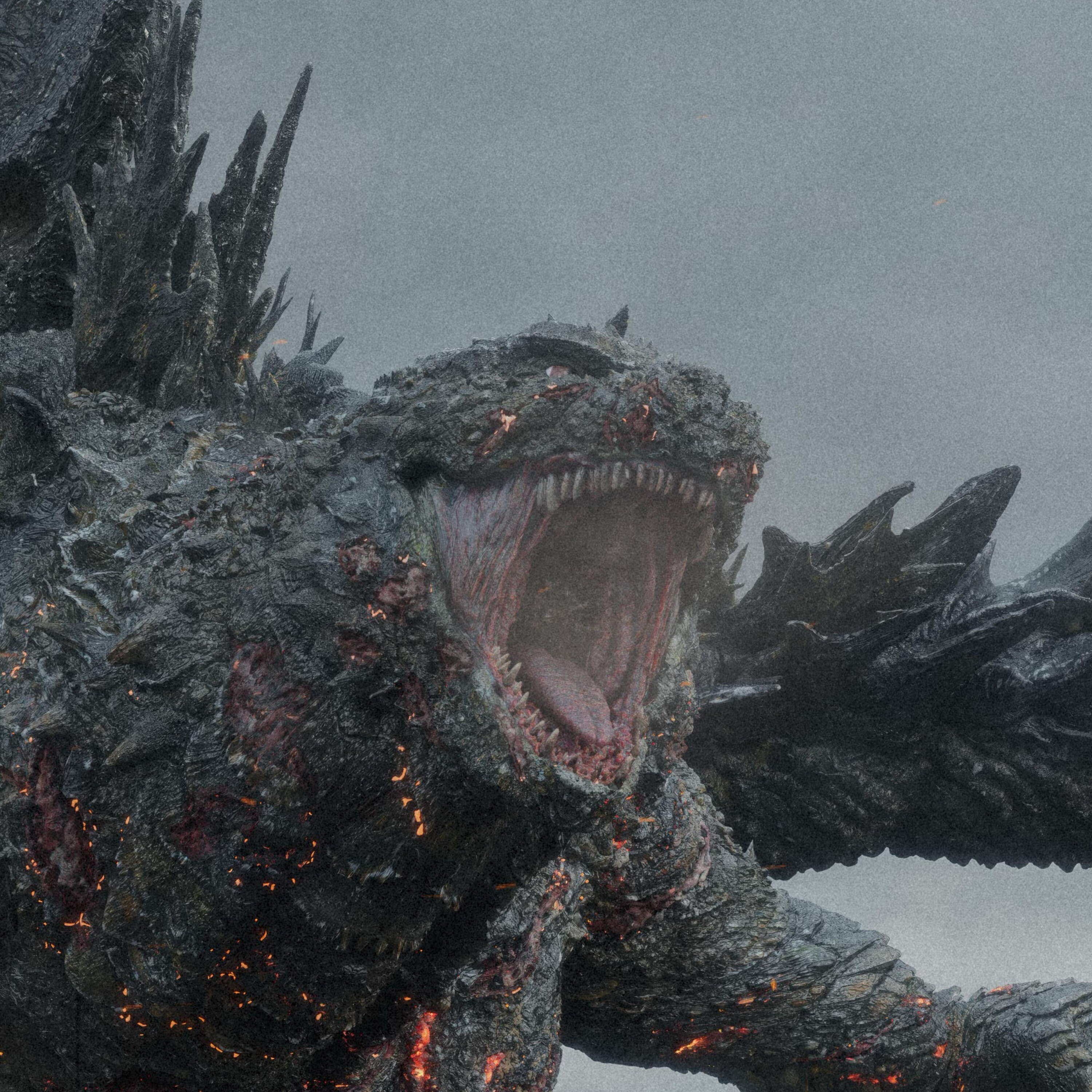
- 3Expressive monsters, striking visual effects, consequential violence, and a memorable score give the action unusual emotional weight.
Don't miss
The discussion of the film’s frightening, consequential monster violence shows how civilian devastation and empathy reshape the usual blockbuster spectacle.
The brief
The panel frames Godzilla Minus Zero as a postwar monster film whose spectacle is inseparable from family drama, shame, grief, and survivor’s guilt.
Andrew Limbong emphasizes the sequel’s family-centered emotional core, while Walter Chao argues that its heightened melodrama and repetitive first hour weaken the buildup.
The delayed arrival of Godzilla and introduction of King Ghidorah shift the conversation toward escalation, nuclear violence, war metaphors, and unresolved postwar trauma.
The critics praise the film’s frightening, consequential monster violence, arguing that civilian devastation and human context distinguish it from many American blockbusters.
Expressive monster faces and a score built around King Ghidorah’s menace and Godzilla’s returning theme become the clearest case for the film’s emotional ambition.
Weekly email
State of the Pod, every Monday
The week's most-discussed names and stories from podcasts, with the moments behind them. Free, five minutes, unsubscribe in one click.