Nov 2, 2026 · 8 min
Gulf states seek diplomacy as U.S.-Iran tensions intensify
The Gulf states fear renewed war after the midterms
Renewed fighting could threaten Gulf infrastructure, economies, and regional stability, while officials weigh mediation against Iran’s warnings of retaliation.
- 1Gulf officials are pursuing mediation because renewed U.S.-Iran fighting could damage economies, tourism, investment, and critical infrastructure.
- 2Iran says any new attack would trigger an immediate response without geographical limits, raising risks for U.S. facilities and regional assets.
- 3A possible short-term plan involving the Strait of Hormuz reflects Gulf efforts to create a diplomatic off-ramp before conflict widens.
Don't miss
The episode details Iran’s warning of an immediate response without geographical limits, alongside the regional infrastructure previous strikes have endangered.
The brief
After the U.S. elections, additional deployments and diplomatic withdrawals raise fears of renewed attacks between Washington and Tehran. Gulf officials gather in Bahrain to seek mediation before tensions become another regional war.
NPR correspondent Aya Batrawy describes Qatar’s mediation efforts and a possible short-term plan involving the Strait of Hormuz, while the episode questions claims that Iran is effectively defeated.
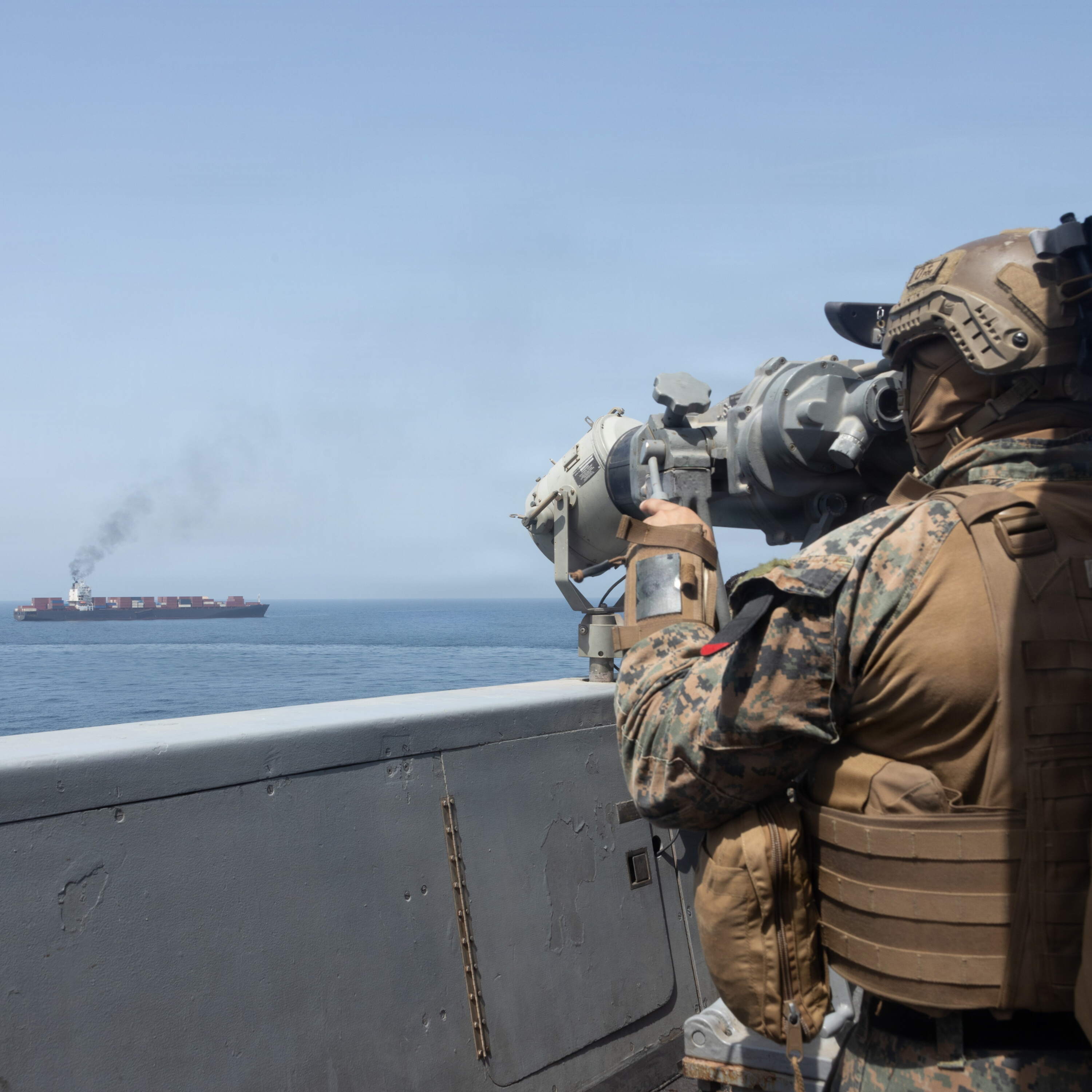
Iran warns that any new attack will draw an immediate response without geographical limits. Earlier strikes on U.S. facilities in Bahrain and other regional infrastructure show what retaliation could endanger.
Gulf governments regard Iran as a serious security threat but oppose another war with their neighbor. Political tools, they argue, offer a better chance to protect airports, oil facilities, tourism, and investment.
Weekly email
State of the Pod, every Monday
The week's most-discussed names and stories from podcasts, with the moments behind them. Free, five minutes, unsubscribe in one click.