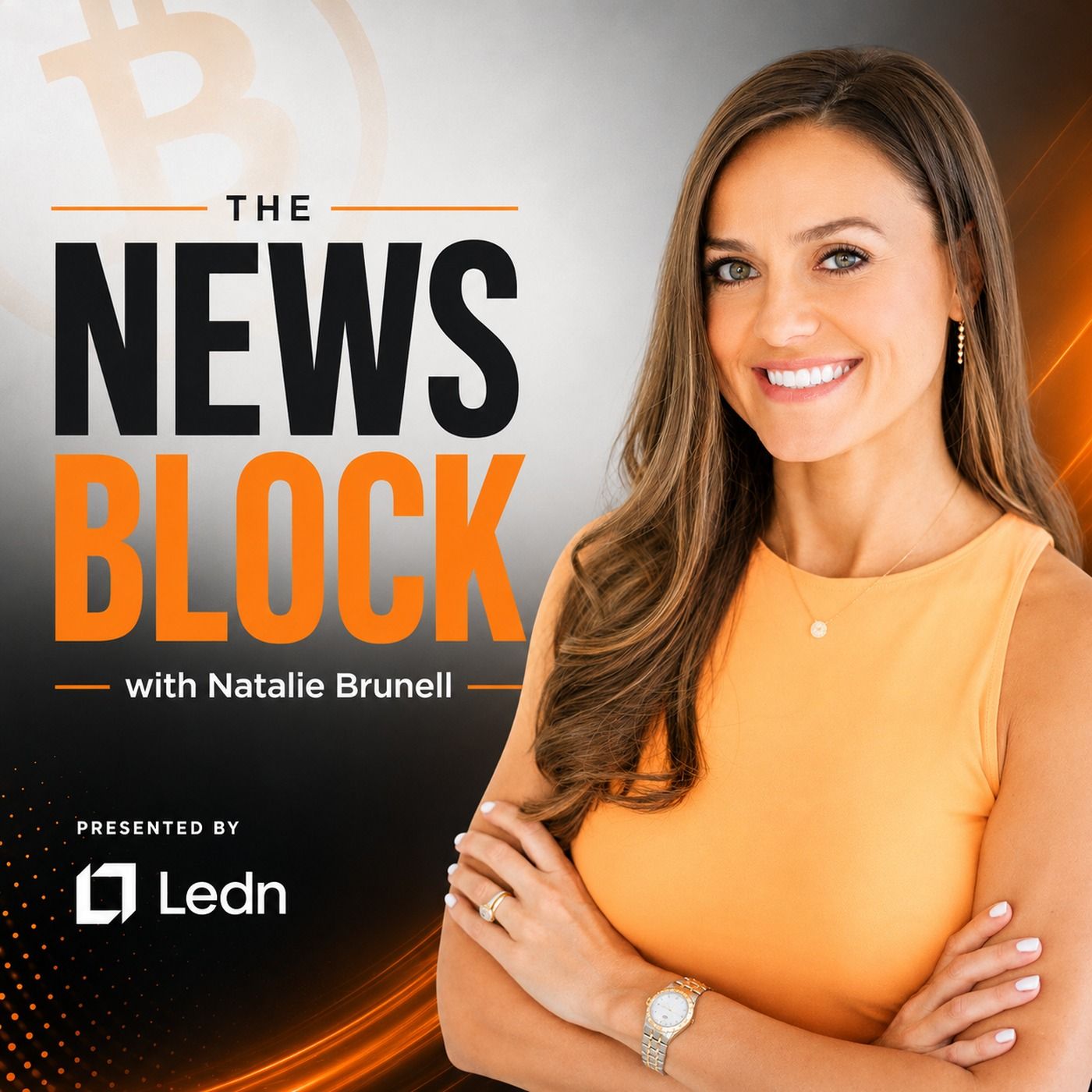
Sep 2, 2026 · 8 min
Hawkish Fed tests Bitcoin as Treasury defends yen actions
News Block: Fed Turns Hawkish as Bitcoin Heads Into Its Biggest September Test
The episode connects renewed rate-hike risk and Bitcoin’s $80,000 pullback with unresolved questions about U.S. currency-market intervention.
- 1Kevin Warsh’s hawkish signals revive debate over another Federal Reserve rate hike and its effects on mortgages, inflation, and markets.
- 2Bitcoin’s brief move above $80,000 faces a tougher September backdrop as higher rates could pressure risk assets.
- 3Treasury’s undisclosed yen purchases raise questions about intervention, swaps, transparency, and the rationale for stabilizing Japan’s currency.
Don't miss
The episode’s sharpest turn comes when Treasury’s undisclosed yen purchases are examined through the distinction between currency intervention and swaps.
The brief
Natalie Brunell opens with Kevin Warsh’s Jackson Hole remarks and the possibility of another Federal Reserve rate hike, linking higher borrowing costs to mortgages, inflation, markets, and Bitcoin.
Bitcoin briefly traded above $80,000 before pulling back, making the Fed’s renewed hawkish tone a direct test of whether tighter financial conditions can sustain its momentum.
The discussion then shifts to Treasury’s yen-related actions, separating direct currency intervention from swaps while questioning why the purchases were undisclosed.
The central tension is whether stabilizing the yen required extraordinary action—or whether the episode exposes a transparency problem in how currency policy is explained.
What was said on this episode
20 statements · 4 positive · 11 negative · 5 neutral
Inflation is 3.7%, above the Federal Reserve’s 2% target.
“Inflation is still running at 3.7%, well above the Fed's 2% target.”
Listen at 0:32
Higher interest rates can reduce inflation.
“Higher rates, yes, they can bring inflation down”
Listen at 1:04
Higher interest rates increase borrowing costs.
“they also make borrowing more expensive for everyone”
Listen at 1:06
U.S. federal debt has exceeded $40 trillion.
“the federal debt just recently crossed $40 trillion.”
Listen at 1:17
Oil above $90 could worsen inflation.
“oil is back above $90, which could make the inflation problem even worse.”
Listen at 2:00
Another rate hike could pressure Bitcoin in the short term.
“another rate hike could absolutely create short-term pressure.”
Listen at 2:06
High government debt is likely to increase near-term market volatility.
“it's likely going to add volatility to the markets in the near term.”
Listen at 2:15
Treasury has not disclosed the amount spent buying yen.
“Treasury still hasn't publicly disclosed exactly how much the US spent buying yen.”
Listen at 3:41
The public should know the size of the Treasury’s yen intervention.
“the public should know exactly how big that intervention was.”
Listen at 4:02
Twenty-one major financial institutions plan to launch dollar stablecoins in 2027.
“21 major financial institutions, including Goldman Sachs, Bank of America, Citi, and Deutsche Bank are now planning to launch dollar stable coins in 2027.”
Listen at 4:43
Stablecoins change dollar transfer mechanisms but not the dollar itself.
“stable coins change how dollars move, but They don't change what a dollar is.”
Listen at 5:34
Bitcoin prompts questions about the preferred form of money to save.
“Bitcoin makes you ask that deeper question.”
Listen at 6:11
Stablecoins are not the preferred money for saving.
“the answer is not stable coins.”
Listen at 6:19
September has historically been Bitcoin’s weakest month.
“September is supposed to be. a terrible month it's historically been bitcoin's weakest”
Listen at 6:24
This year, Washington’s actions matter more than Bitcoin’s seasonal calendar.
“this year i think the calendar matters a lot less than what washington is about to do”
Listen at 6:32
Bitcoin gained nearly 25% in August, its strongest month since late 2024.
“Bitcoin just gained nearly 25 in august its strongest month since late 2024”
Listen at 6:37
Strong labor markets give the Fed more room to raise rates against inflation.
“if the economy and labor markets still look strong the fed actually has more room to raise rates to fight inflation”
Listen at 6:54
Weak employment would make rate increases more difficult for the Fed.
“If employment suddenly looks weak raising rates becomes a much harder decision”
Listen at 7:00
Hot inflation would support another Federal Reserve rate hike.
“If inflation comes in hot again, that's another case for a rate hike.”
Listen at 7:09
The Clarity Act requires 60 Senate votes to advance.
“The bill needs 60 votes to move forward.”
Listen at 7:27
Statements are attributed to the speaker as said on the episode and reflect their view at the time, not PodLume's. They are not advice.
Weekly email
State of the Pod, every Monday
The week's most-discussed names and stories from podcasts, with the moments behind them. Free, five minutes, unsubscribe in one click.