Nov 17, 2026 · 26 min
Import costs expose pressure points from ports to power grids
Import prices ran hot in October
Rising import prices connect household repairs, AI infrastructure, freight reliability and drought-threatened electricity to a broader cost squeeze.
- 1Energy, tariffs, freight and AI-related demand pushed October import prices and construction-material costs higher.
- 2Homeowners increased repair and renovation spending as aging houses and elevated prices made replacement needs harder to defer.
- 3Supply-chain resilience remains vulnerable to congestion, labor talks, weather, tariffs and a possible freight downturn.
Don't miss
The report on drought-strained Lakes Mead and Powell shows how lost hydropower could raise electricity costs for rural communities and irrigation districts.
The brief
October import prices rose more than expected as energy costs, tariffs, freight pressures and demand for AI-related components lifted costs across the economy.
Homeowners are spending on repairs, replacements and renovations, helping drive building-supply sales as aging houses meet higher prices and deferred maintenance.
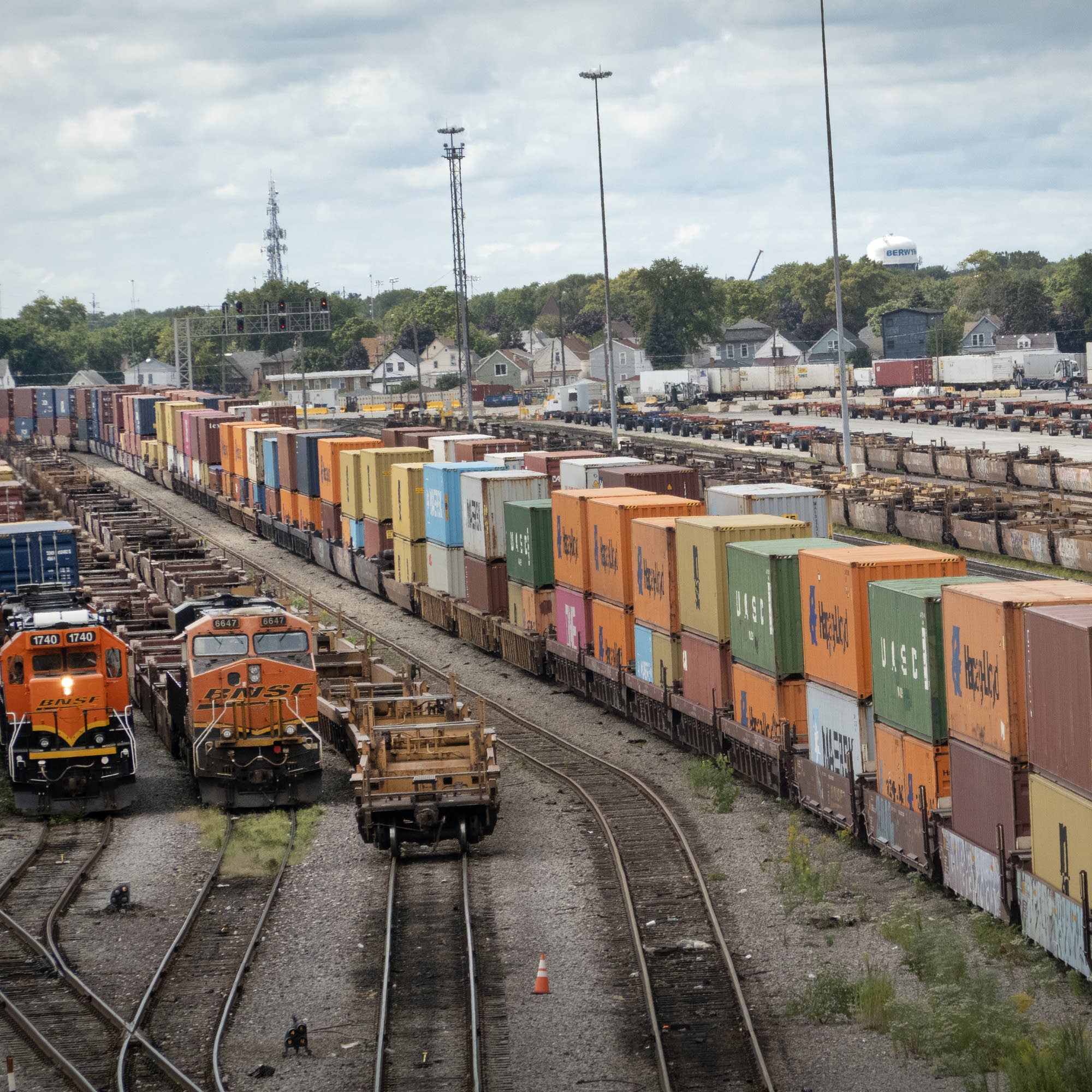
Wes Labar of Waterfront Logistics says record container volumes at the Port of Los Angeles do not erase risks from congestion, labor negotiations, weather and tariffs.
Low water levels in Lakes Mead and Powell are reducing generation at Hoover and Glen Canyon dams, threatening inexpensive power for rural communities and irrigation districts.
Ryan Dezember explains how mass timber could replace some steel and concrete in faster, more renewable construction, including projects tied to AI infrastructure.
The episode’s economic pressure runs from household caregiving to freight and electricity, showing how flexibility, infrastructure and resource limits shape everyday costs.
Weekly email
State of the Pod, every Monday
The week's most-discussed names and stories from podcasts, with the moments behind them. Free, five minutes, unsubscribe in one click.