Oct 20, 2026 · 9 min
Inflation could shrink U.S. debt—but only by risking credibility
The gamble of trying to inflate away debt
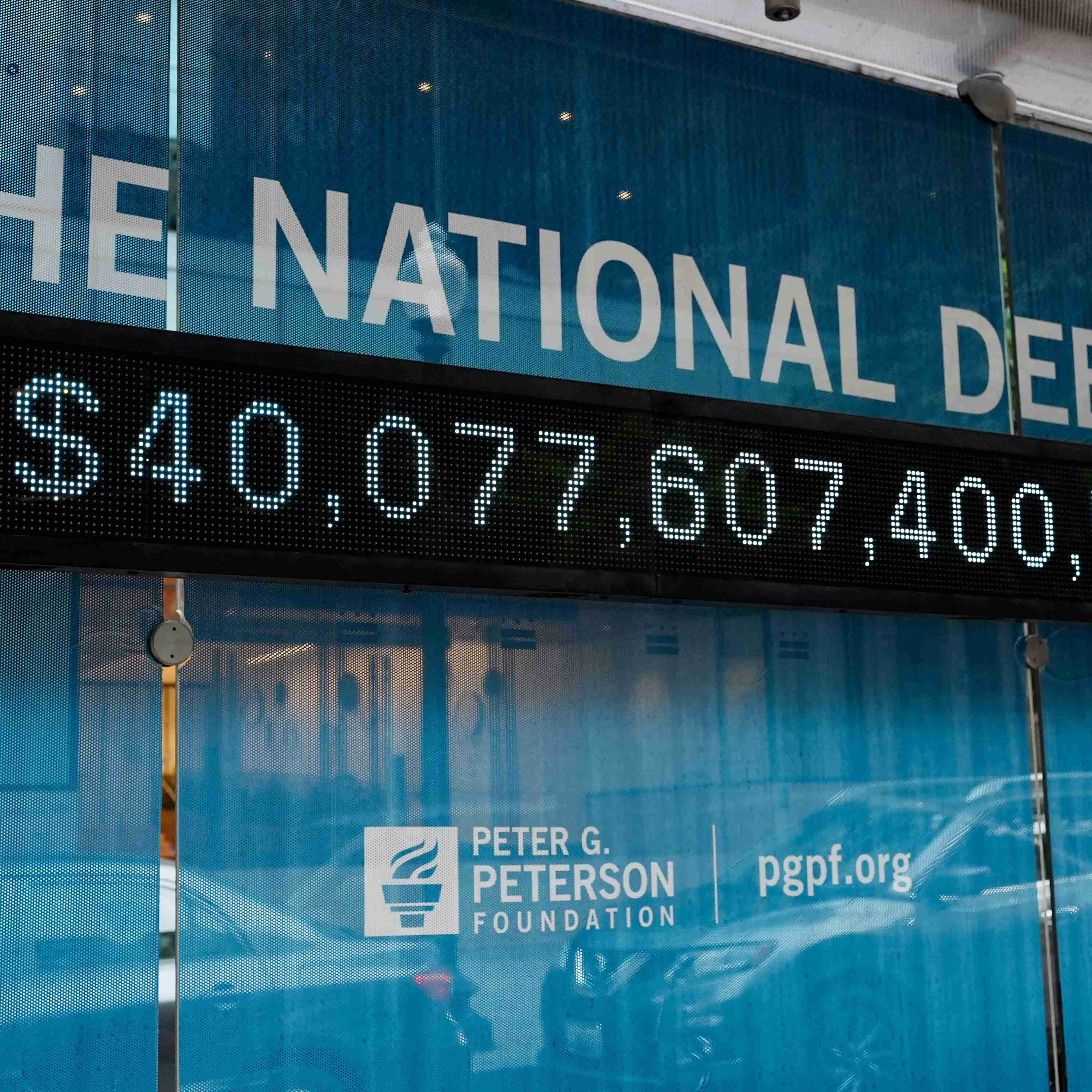
The episode tests whether inflation can reduce the real burden of more than $40 trillion in debt without driving up borrowing costs or destabilizing prices.
- 1Unexpected inflation can reduce the real burden of fixed-rate debt, as seen during the 2021–2022 inflation surge.
- 2Investors who anticipate inflation demand higher interest rates, potentially erasing the savings and triggering a destabilizing cycle.
- 3Financial repression can hold borrowing costs down, but it distorts credit markets and discourages saving.
Don't miss
Ricardo Reis explains why openly promising to inflate away debt could cause investors to demand higher rates before the strategy begins.
The brief
The United States carries more than $40 trillion in national debt, prompting a deceptively simple question: could inflation make that burden smaller without creating a larger economic problem?
Economist Ricardo Reis explains the basic mechanism: unexpected inflation reduces the real value of fixed-dollar debt, shifting some of the burden from borrowers to lenders.
The strategy depends on surprise. If investors expect inflation, they demand higher interest rates, potentially neutralizing the savings and setting off a cycle of accelerating prices.
Financial repression offers another route, steering banks and pension funds toward government bonds at artificially low returns; it helped manage postwar debt but distorted markets and discouraged saving.
Today, investors still appear to trust the Federal Reserve’s commitment to price stability, making deliberate debt-eroding inflation less plausible—and potentially more damaging if that credibility breaks.
Weekly email
State of the Pod, every Monday
The week's most-discussed names and stories from podcasts, with the moments behind them. Free, five minutes, unsubscribe in one click.