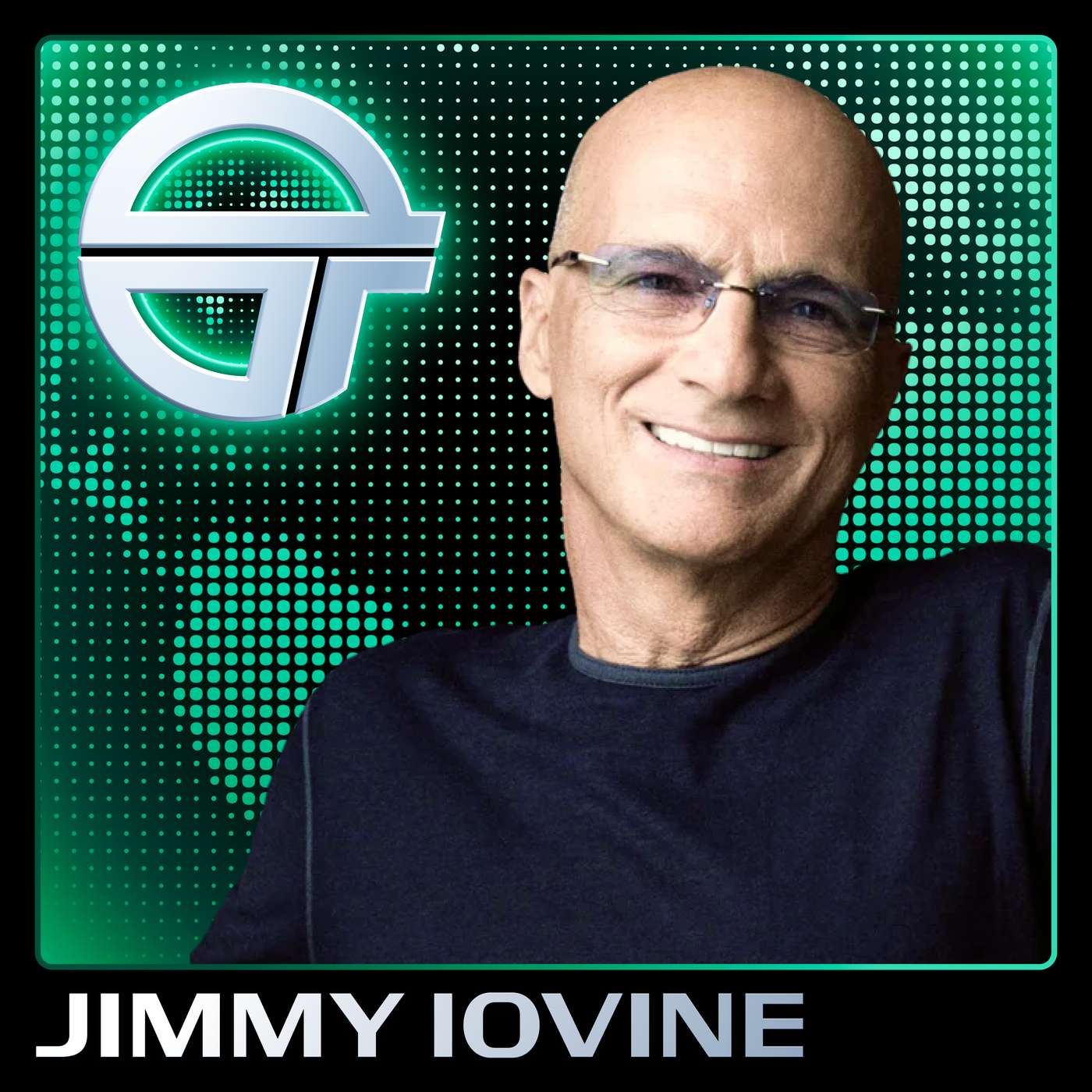
Sep 2, 2026 · 1h 2m
Iovine says great artists will shape AI’s future
Jimmy Iovine on AI: “The Great Artists Will Show the World How to Use It”
As AI unsettles music creation, ownership, and distribution, Jimmy Iovine argues that artists must help define the rules and uses of the technology.
- 1Multidisciplinary teams can turn cultural insight into products by combining technology, design, business, and liberal arts.
- 2AI can expand creative possibility, but training data, licensing, estates, and living artists require compensation.
- 3Music’s next business model should put artists closer to platforms, audiences, distribution, and revenue.
Don't miss
Iovine argues that great artists will ultimately show society how to use AI creatively and responsibly, provided artists and rights holders are compensated.
The brief
Jimmy Iovine traces the Iovine and Young Academy to a practical problem: technology, design, and business often fail because they speak separate languages.
Beats became his case study for multidisciplinary thinking: Iovine and Dr. Dre found a gap in headphones by pairing technical execution with cultural taste and a new consumer attitude.
Iovine argues that AI will be powerful for genuinely talented artists, but its growth depends on licensing, compensation, and agreements that prevent unauthorized exploitation.
The conversation moves from TikTok and streaming to a broader complaint: platforms have reach and data, but artists still lack enough control over audience relationships and revenue.
His central bet is that great artists will make new tools legible to society, just as bold musicians helped people understand earlier shifts in recording and distribution.
What was said on this episode
18 statements · 9 positive · 8 negative · 1 mixed
AI will help genuinely talented artists create music.
“If you really have talent, it'll help you. It'll help you create as a tool.”
Listen at 26:34
AI cannot reproduce human artists’ lived experiences and emotional histories.
“What AI can't do is grow up in a terrible home. AI can't have a broken heart. You know, AI is not going to be Dolly Parton.”
Listen at 28:36
Current AI developers do not pose a serious threat.
“I'm not afraid of AI. And I met a lot of people that are working on it and none of them truly scare me, you know, or should scare anyone for that matter.”
Listen at 29:00
Licensing constraints will reduce the capabilities of AI music products.
“the chain reaction that this causes, unfortunately, is the people that are giving out licenses. shrink meaning they shrink what they're going to they lessen what they're going to do and it's going to cause a lot of this product everybody's excited about to really be dumbed down”
Listen at 31:02
AI may enable great artists and producers to create masterpieces.
“the great artists and the great producers will maybe... create real masterpieces, you know, because of this it'll spark something.”
Listen at 33:24
Wilson Pickett’s estate should be compensated when AI learns from his music.
“Wilson Pickett is not going to make a new record. So if you're learning on Wilson Pickett, I believe that his estate should make money.”
Listen at 35:40
Training AI on copyrighted music is not fair use or free.
“I just don't think that I don't think it's fair use. I don't think it's free.”
Listen at 36:11
AI music development requires licensing agreements.
“this has to be deals made”
Listen at 36:42
Great artists will demonstrate effective uses of new technology.
“the great talent and the great artists are going to show the world how to use it”
Listen at 38:19
Record companies should build and own AI businesses rather than only license music.
“the record industry needs to move laterally. They need to own the enterprise of AI, not just license to everyone.”
Listen at 47:40
Music streaming is close to becoming obsolete without adaptation.
“streaming is minutes away from being obsolete”
Listen at 48:40
Streaming services must adapt to artists’ needs to remain viable.
“unless they adapt to what artists really want, the artists are very resourceful”
Listen at 48:44
Streaming’s current payment structure is fundamentally flawed.
“the pay structure in streaming is all screwed up”
Listen at 50:52
Major music streaming services lack essential social features.
“they're all missing social. Period.”
Listen at 52:08
Artists and labels can perform many music-distribution functions without intermediaries.
“you don't need third parties to do a lot of this stuff”
Listen at 53:00
Spotify’s valuation exceeds all record labels combined despite owning no music IP.
“Spotify is worth more than all the labels together. Guess how much IP they own. Zero.”
Listen at 54:13
Music companies will become more involved in AI through the emerging opportunity.
“I think the music companies are going to be more involved. And AI is the opening to do it.”
Listen at 54:35
A new AI business could emerge involving music platforms, labels, and artists.
“I do think there could be a new AI business.”
Listen at 59:58
Statements are attributed to the speaker as said on the episode and reflect their view at the time, not PodLume's. They are not advice.
Weekly email
State of the Pod, every Monday
The week's most-discussed names and stories from podcasts, with the moments behind them. Free, five minutes, unsubscribe in one click.