Sep 1, 2026 · 29 min
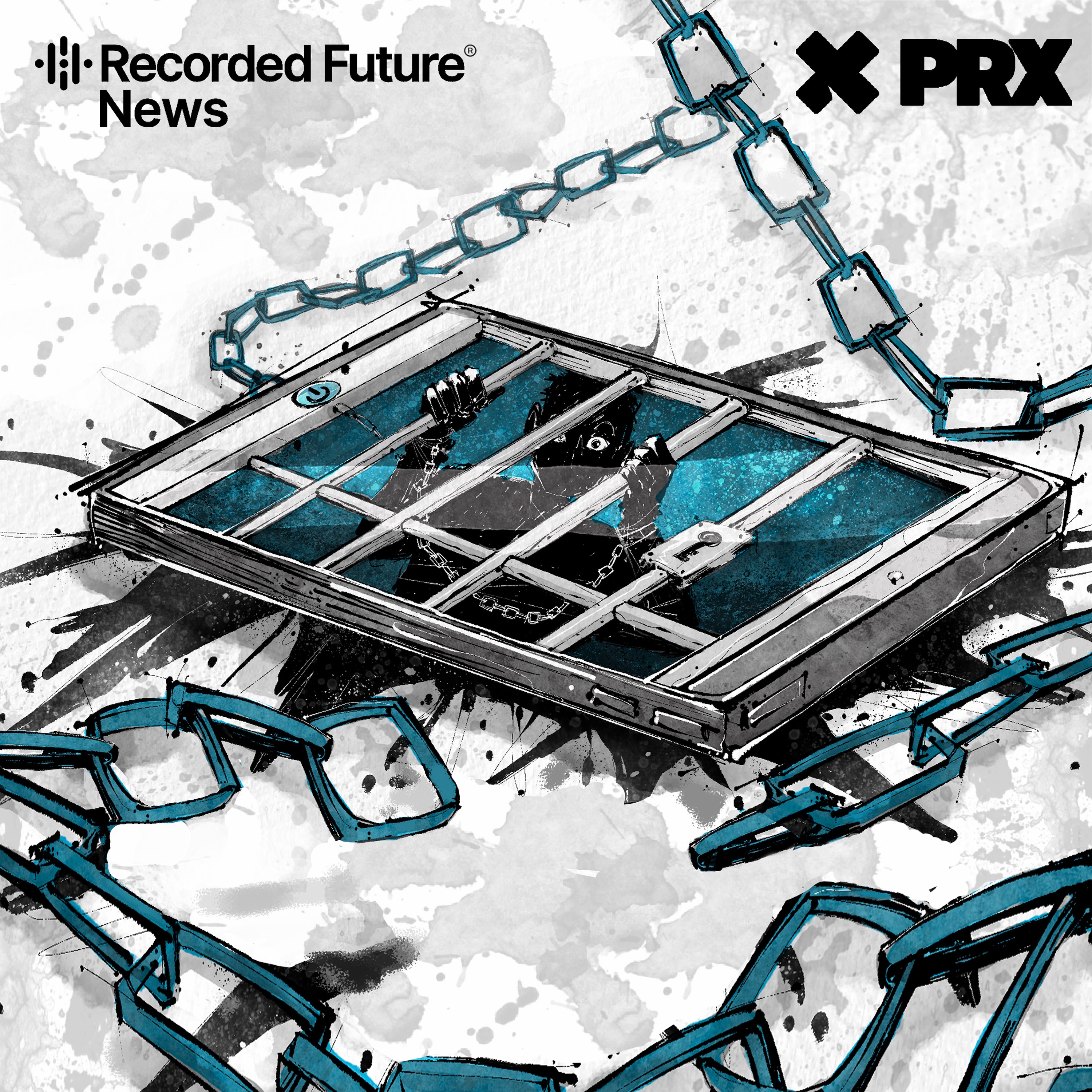
Iran blackout exposes connectivity as a weapon
Iran: Why send a Tomahawk when Starlink will do?
The episode examines how cutting internet access can isolate civilians, weaken resistance, and determine who controls evidence during war.
- 1Internet access helps civilians communicate, organize, and document events when governments control conventional channels.
- 2Starlink and direct-to-phone satellite services could bypass national gateways and make connectivity a strategic policy priority.
- 3The episode’s technology roundup links platform safety, AI governance, medical-device cybersecurity, and unreliable robots to broader public risks.
Don't miss
Jason Rezaian recounts briefly reconnecting with a cousin in Tehran through Instagram before the connection disappeared again.
The brief
Journalist Jason Rezaian draws on his imprisonment by Iran’s Revolutionary Guard to explain how isolation works inside a state-controlled information system.
A brief Instagram reconnection with a cousin in Tehran, followed by another blackout, shows how quickly ordinary family contact can vanish under wartime restrictions.
Rezaian argues that Starlink and direct-to-phone satellite services should be treated as strategic tools: they can help civilians communicate, organize, and document state violence.
The episode confronts the contradiction of urging Iranians to revolt while the state controls communications, then links the debate to sanctions and U.S. policy.
A technology roundup widens the lens, covering Meta’s settlement over children’s safety, Bill Gates on AI risks, a medical-device cyberattack, and humanoid robots that crash.
Weekly email
State of the Pod, every Monday
The week's most-discussed names and stories from podcasts, with the moments behind them. Free, five minutes, unsubscribe in one click.