Oct 18, 2026 · 38 min
Israelis weigh Netanyahu’s security record against a different future
Israelis have changed. Will they change their leader?
The election tests whether October 7’s failures and the war in Gaza have strengthened Israel’s reliance on military power or opened space for accountability and change.
- 1October 7 dominates the election, with voters divided over Netanyahu’s responsibility for security failures and his claims of protection.
- 2The war in Gaza has intensified trauma and anti-Palestinian sentiment while exposing Israelis to competing accounts of security and responsibility.
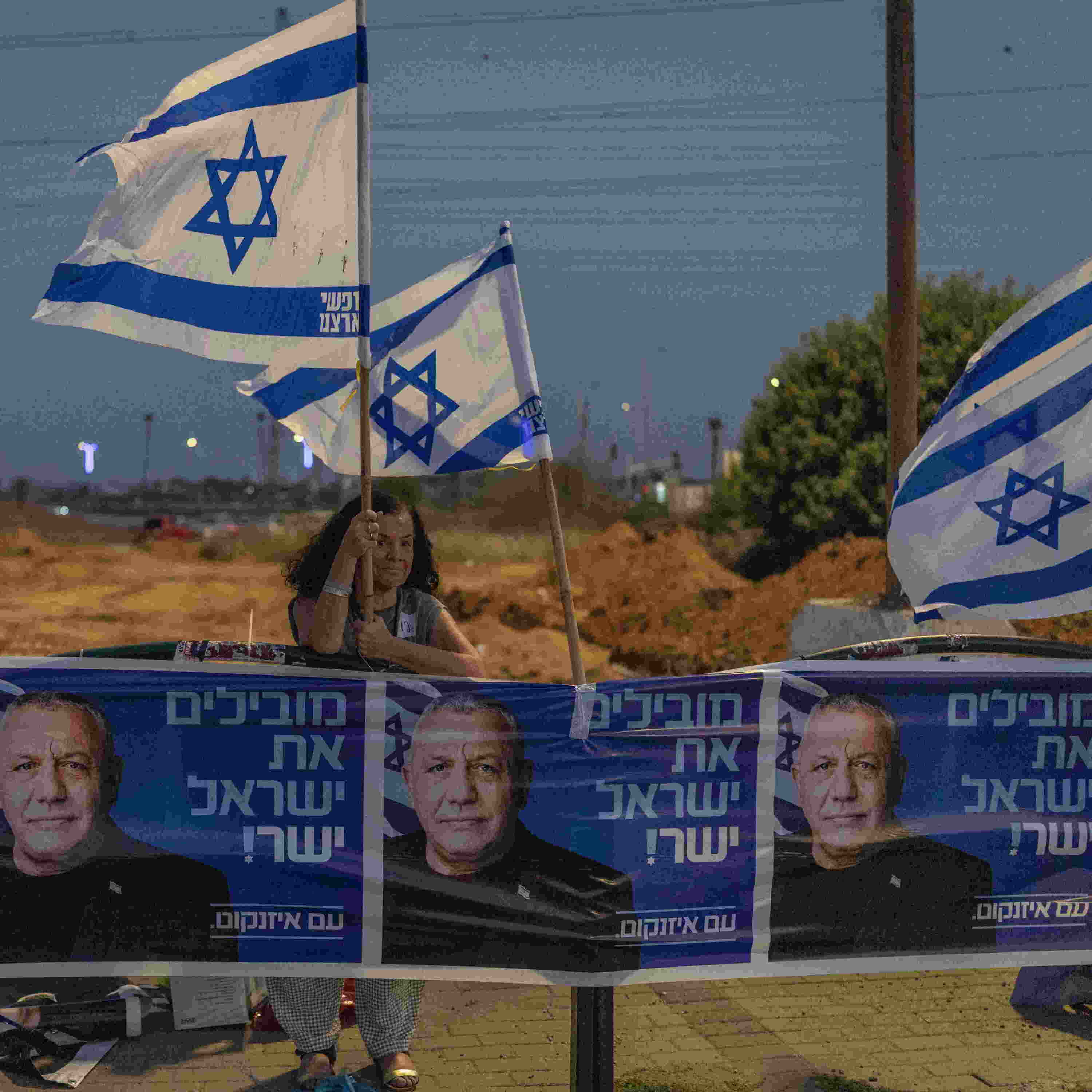
- 3Gadi Eisenkot offers a center-right alternative as exhausted voters debate whether perpetual military strength can deliver lasting security.
Don't miss
At the Nova festival memorial, bereaved families connect the election to accountability, national unity and the search for a different leader.
The brief
Israel’s first election since Hamas’s October 7 attack turns the trauma, warnings and security failures surrounding that day into the central test of Benjamin Netanyahu’s leadership.
Daniel Estrin traces competing demands for accountability: Sufyan Abu Zaydah and Amos Harel describe missed warnings, while families of Nova victims seek a national reckoning.
The story then moves into Gaza, where public vengeance, destruction and the experiences of Israeli reservists reveal how trauma has hardened views of Palestinian civilians.
Retired security officials condemn settler violence in the West Bank, showing why some Israelis see Netanyahu’s strategy as an endless emergency rather than a path to safety.
Gadi Eisenkot offers a center-right alternative, but the deeper choice remains unresolved: whether Israel can leave the sword without abandoning security.
Weekly email
State of the Pod, every Monday
The week's most-discussed names and stories from podcasts, with the moments behind them. Free, five minutes, unsubscribe in one click.