Sep 24, 2026 · 26 min
Jay-Z’s curated legacy meets a series without direction
Jay-Z
The episode tests whether a prestige documentary can offer genuine artistic and biographical insight while its subject tightly manages the narrative.
- 1Jay-Z and 8 promises lyric analysis but often substitutes polished presentation for sustained close reading.
- 2Rick Rubin’s gentle questions leave Jay-Z’s evasive, carefully managed public narrative largely unchallenged.
- 3The series finds real depth in Jay-Z’s memories of Biggie and “Brooklyn’s Finest,” but moves past them too quickly.
Don't miss
Jay-Z’s extended discussion of Biggie and the making of “Brooklyn’s Finest” briefly delivers the personal and artistic insight the series otherwise withholds.
The brief
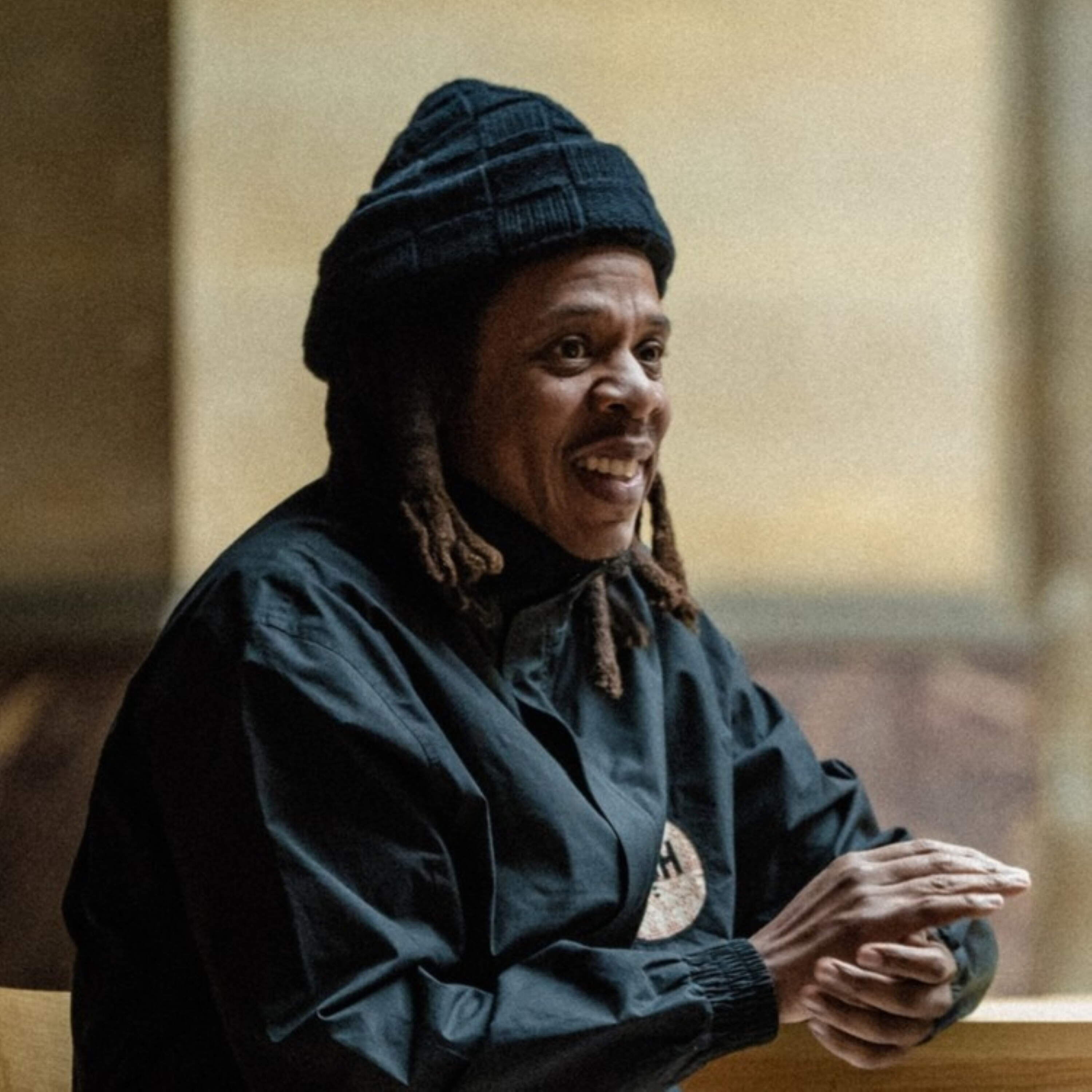
Ayesha Harris and Shamira Ibrahim examine HBO’s Jay-Z and 8, asking whether conversations with Rick Rubin reveal anything new about Jay-Z’s lyrics, life, or legacy.
The series presents Jay-Z as personable but evasive, while Rubin’s unusually soft questioning reinforces the artist’s control over his public narrative rather than probing it.
Its visual polish suggests a major cultural statement, yet the project often lacks structure and avoids the detailed lyric readings it promises.
The discussion connects Jay-Z’s politics, Kaepernick, Cristal, Ace of Spades, and Occupy Wall Street to his belief that capitalist power can liberate Black communities.
The rare exceptional passage is Jay-Z’s extended account of Biggie and the making of “Brooklyn’s Finest,” a moment the series rushes past.
The hosts conclude that Jay-Z and 8 may provide younger viewers useful hip-hop context, but its promotion and prestige overwhelm its critical perspective.