Oct 7, 2026 · 23 min
Netflix’s Steinbeck adaptation turns family conflict into moral argument
East of Eden
The discussion tests whether East of Eden’s grand themes survive an adaptation whose characters, gender politics, and historical framing remain contested.
- 1The adaptation’s scale and performances make its multigenerational family saga compelling despite uneven character motivation.
- 2The panel questions its conservative moral framework and the limited agency granted to women such as Kathy and Abra.
- 3Hoon Lee’s tender, stabilizing performance gives the family’s violence an emotional counterweight and grounds the series historically.
Don't miss
The panel’s praise for Hoon Lee’s tender portrayal of Lee crystallizes the series’ emotional counterweight to family chaos.
The brief
The hosts examine Netflix’s ambitious, multigenerational adaptation of John Steinbeck’s East of Eden, following the Trask family through inheritance, violence, and moral conflict.
The series’ scale impresses, but the panel questions whether it explains Kathy’s choices and Adam’s passivity well enough to support its ideas about evil.
A heavily masculine family structure leaves Abra and other women with limited room, while the show’s attitudes toward gambling, drinking, sex work, and promiscuity feel notably conservative.
Hoon Lee’s Lee emerges as the family’s gentle stabilizer, and the panel pushes back on casting criticism by noting Chinese American history in the American West.
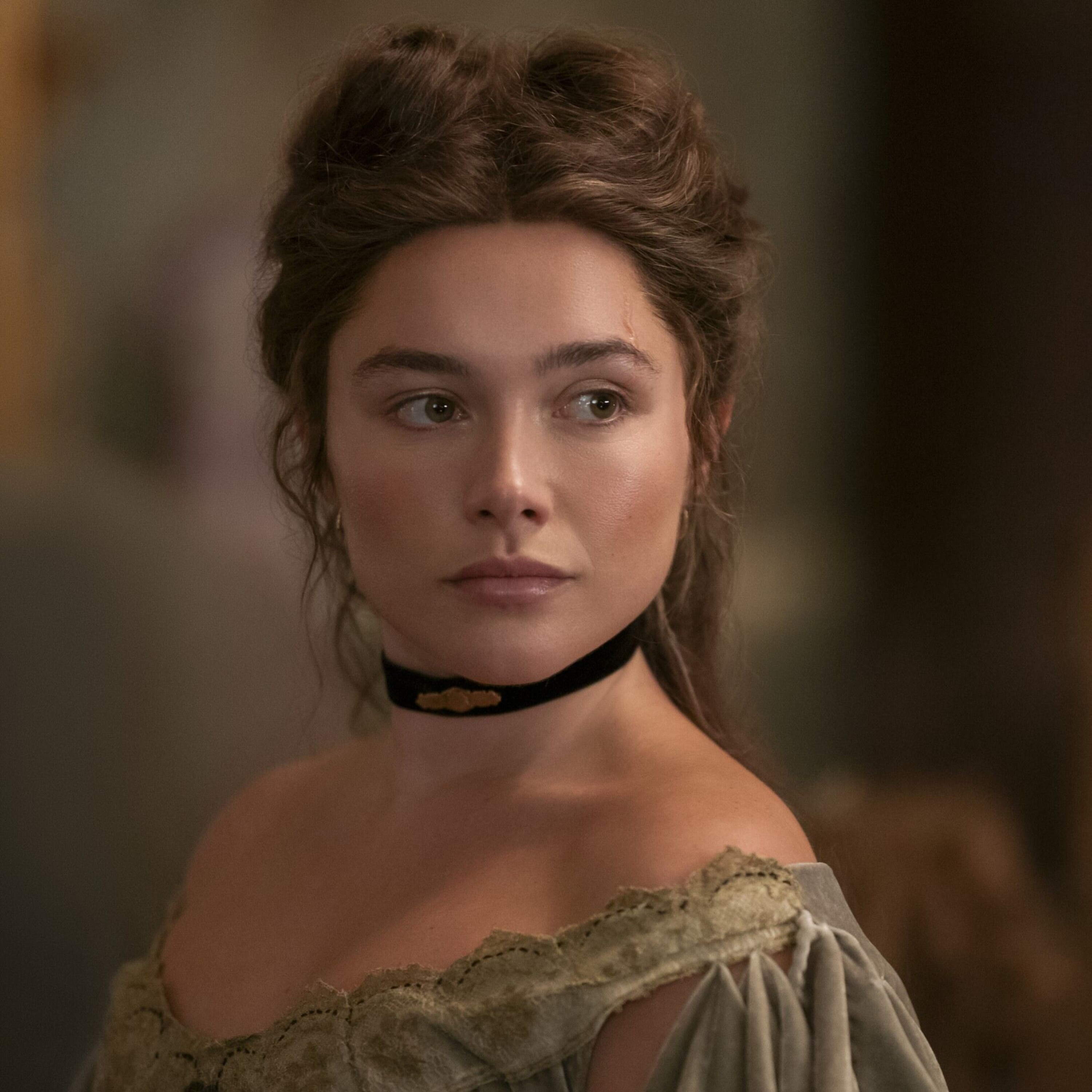
The verdict is flawed but compelling: Florence Pugh, Christopher Abbott, Mike Faist, and Hoon Lee make the seven-hour series worth debating rather than dismissing.
Books & mentions
Some links are affiliate links — PodLume may earn a commission if you buy.
