Aug 29, 2026 · 59 min
Jet Li reframes strength as freedom from ego
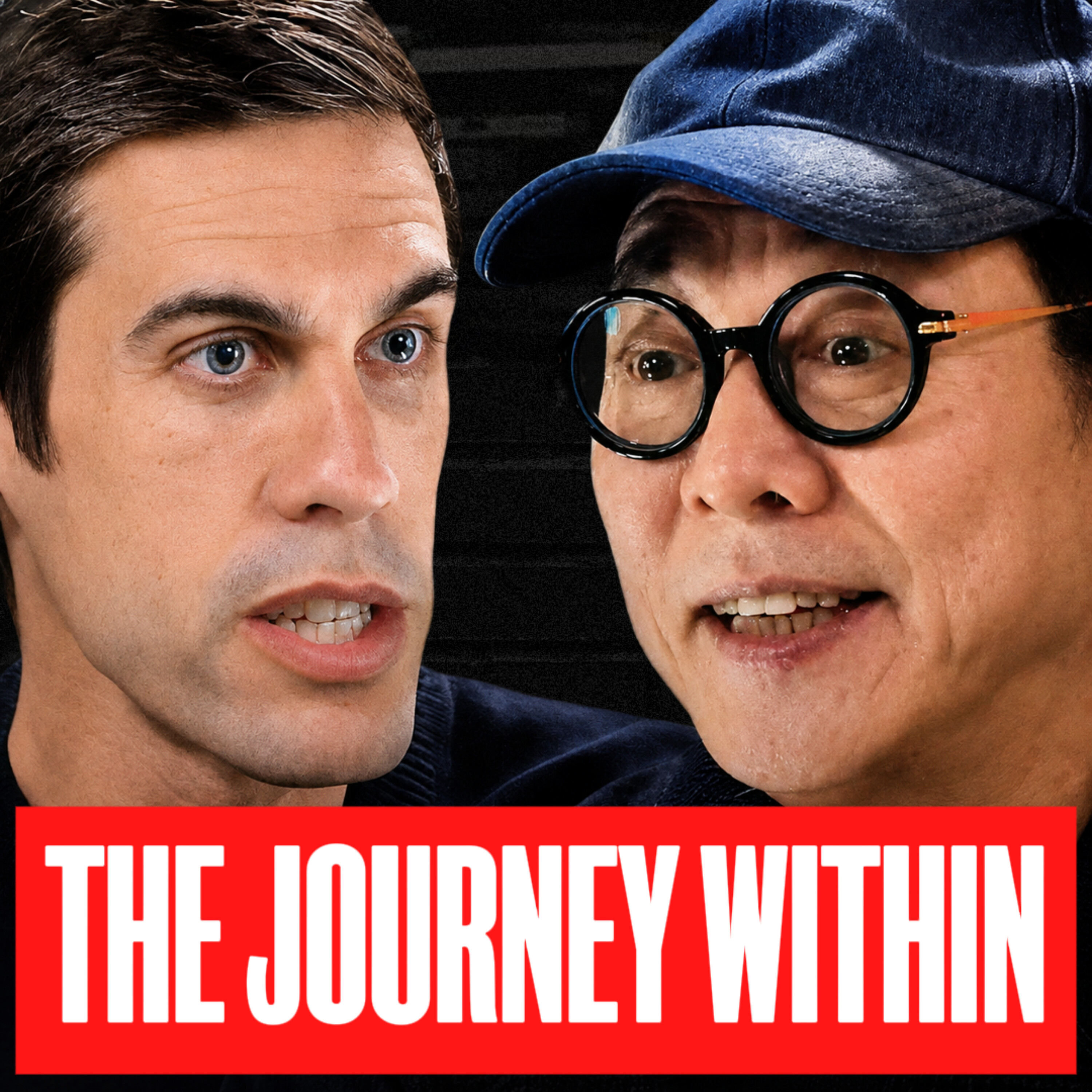
Jet Li on Inner Peace, Ego, and What True Strength Looks Like
The conversation connects martial arts, Buddhist practice, and family responsibility into a practical argument for meeting suffering without self-centeredness.
- 1True strength means preventing conflict, accepting outcomes, and acting only where personal control exists.
- 2The 2004 tsunami shifted Jet Li from self-protection toward compassion, public responsibility, and freedom from ego.
- 3Wisdom develops through anger, mistakes, parenting, and ordinary relationships rather than retreating from daily life.
Don't miss
Jet Li recounts nearly losing his family in the 2004 tsunami and explains how the experience changed his purpose.
The brief
Jet Li traces his discipline to childhood poverty, losing his father, and entering martial-arts training at eight, where practice gradually became a philosophy of independent thought and self-control.
He argues that martial arts aim beyond victory: concentration, emotional control, and accepting results matter more than forcing the world to match personal desires.
Nearly losing his family in the 2004 Indian Ocean tsunami exposed the limits of physical skill and redirected Jet Li toward Buddhist study, compassion, and social responsibility.
Meditation, he says, is not confined to sitting still; walking, listening, work, and parenting can all train attention, resilience, and freedom from anger.
The episode’s practical test arrives at home: Jet Li describes learning from his daughters, forgiving his mistakes, and treating family life as the place where wisdom must be practiced.
Weekly email
State of the Pod, every Monday
The week's most-discussed names and stories from podcasts, with the moments behind them. Free, five minutes, unsubscribe in one click.