Nov 11, 2026 · 26 min
Jobless claims lose their signal as work changes
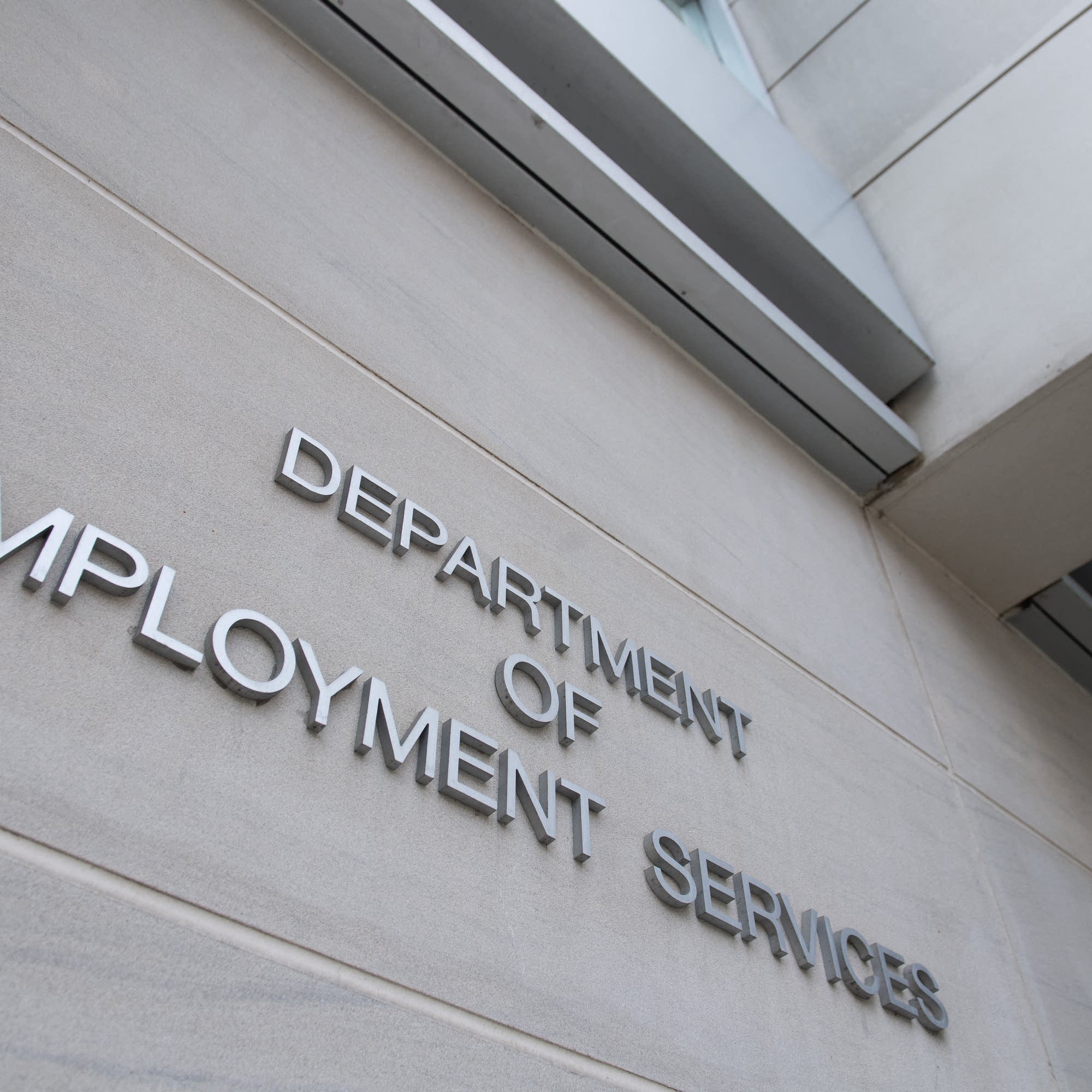
What's in a jobless claim?
The episode tests whether a familiar measure of layoffs still captures labor-market weakness as benefit access, contract work, enforcement and retirement reshape employment.
- 1Historically low jobless claims may understate layoffs when fewer workers qualify for unemployment insurance.
- 2AI infrastructure spending, LNG disruptions and volatile farm costs reveal how global shocks move through U.S. markets.
- 3The Nashville Symphony’s rescue underscores the fragile finances of classical music organizations.
Don't miss
The Nashville Symphony’s near-shutdown and rescue by a $10 million Oracle contribution crystallize the precarious economics of orchestras.
The brief
CoreWeave’s debt concerns and market importance open a wider question about whether AI infrastructure spending is building durable capacity or an unstable bubble.
Qatar’s disrupted LNG shipments could benefit U.S. exporters, while the same shock may push other countries toward domestic gas, electrification or coal.
Iowa farmer April Hemmes reports her best harvest ever, but diesel, fertilizer, tariffs, payments and uncertain demand complicate what a record crop means financially.
The Nashville Symphony’s near-shutdown, followed by a $10 million Oracle contribution, exposes the difficult economics of concert halls, endowments, donors and ticket revenue.
The episode’s central argument is that low jobless claims may miss labor-market damage as benefit access shrinks, contract work grows, immigration enforcement rises and workers retire.
A return-to-office mandate pushed Cassie Myers from aerospace employment into a remote circuit-board design company, turning workplace policy into an entrepreneurial gamble.
Weekly email
State of the Pod, every Monday
The week's most-discussed names and stories from podcasts, with the moments behind them. Free, five minutes, unsubscribe in one click.