Oct 29, 2026 · 1h 42m
Kalshi bets its future on prediction markets as financial infrastructure
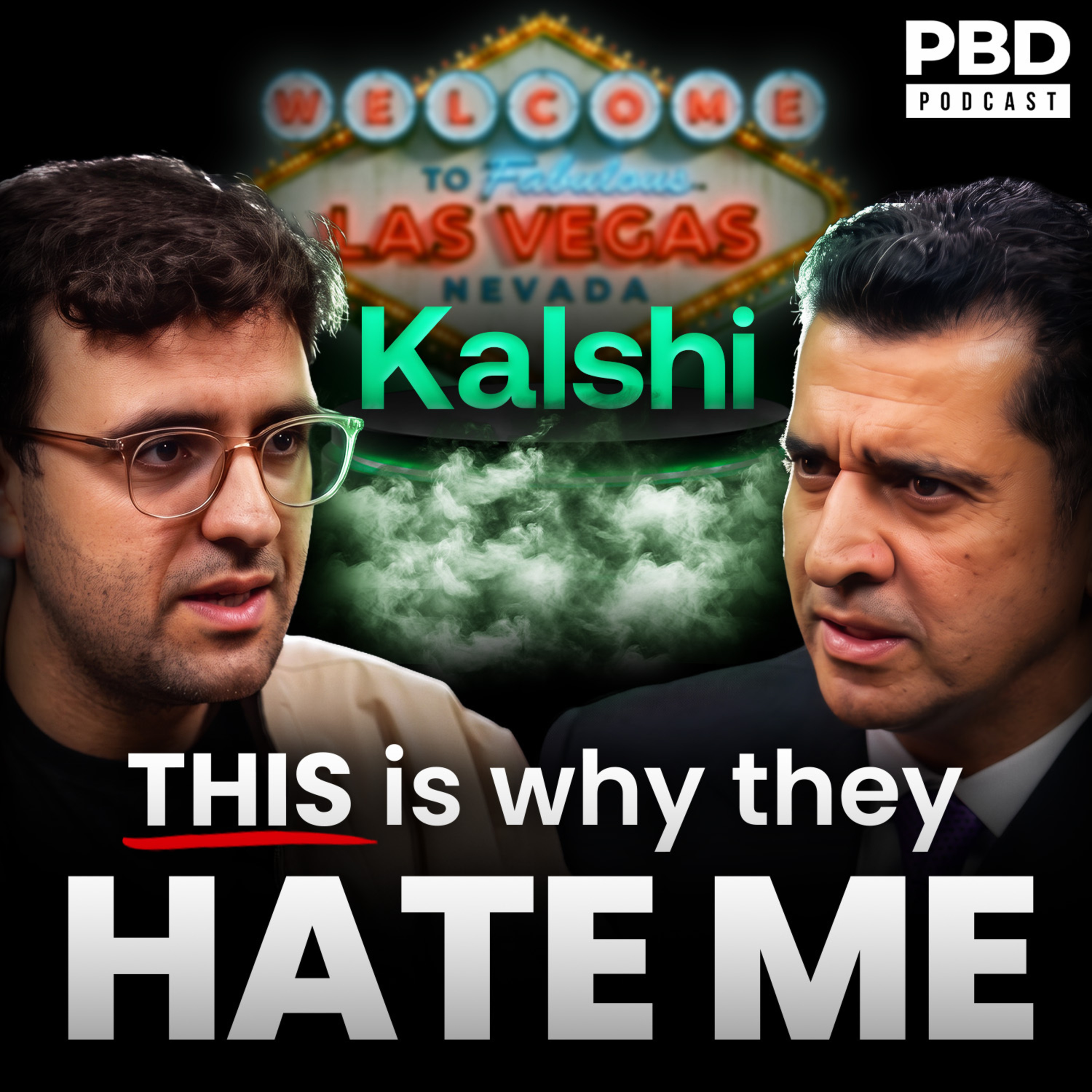
Kalshi's $40 Billion CEO Is Taking On Wall Street and Vegas | PBD Podcast #881
The conversation tests whether event contracts can become regulated tools for forecasting and hedging, or remain controversial alternatives to sportsbooks and polls.
- 1Prediction markets aggregate dispersed information, but their probabilities require calibration across many outcomes rather than judgment from a single result.
- 2Kalshi presents surveillance, explicit settlement rules, and regulation as safeguards against manipulation and arguments for wider financial-market adoption.
- 3The company’s ambition extends beyond elections and sports toward an exchange for risks that insurers, sportsbooks, and traditional markets do not cover.
Don't miss
Mansour explains why Kalshi excludes markets involving war, terrorism, assassination, and violence, then defends strict settlement rules in a disputed Khamenei-related contract.
The brief
Kalshi co-founder Tarek Mansour traces the company from election-forecasting research and his mathematics background to a regulated exchange built around event contracts.
The core argument is that trading activity can aggregate distributed information more effectively than polls or elite opinion, provided markets are judged across many forecasts.
Mansour frames contracts as hedges for weather, elections, sports, and business risks, while distinguishing Kalshi’s fee-based model from sportsbooks that profit when customers lose.
The sharpest tension concerns trust: Kalshi must police insider trading, manipulation, and sensitive contracts without undermining the open-market mechanism it says improves information.
The episode’s larger wager is institutional: prediction markets could become core financial infrastructure, if regulation and transparent settlement rules earn public confidence.
Books & mentions
Some links are affiliate links — PodLume may earn a commission if you buy.

Weekly email
State of the Pod, every Monday
The week's most-discussed names and stories from podcasts, with the moments behind them. Free, five minutes, unsubscribe in one click.