Oct 27, 2026 · 10 min
Listen from 3:25
Listen at 3:25
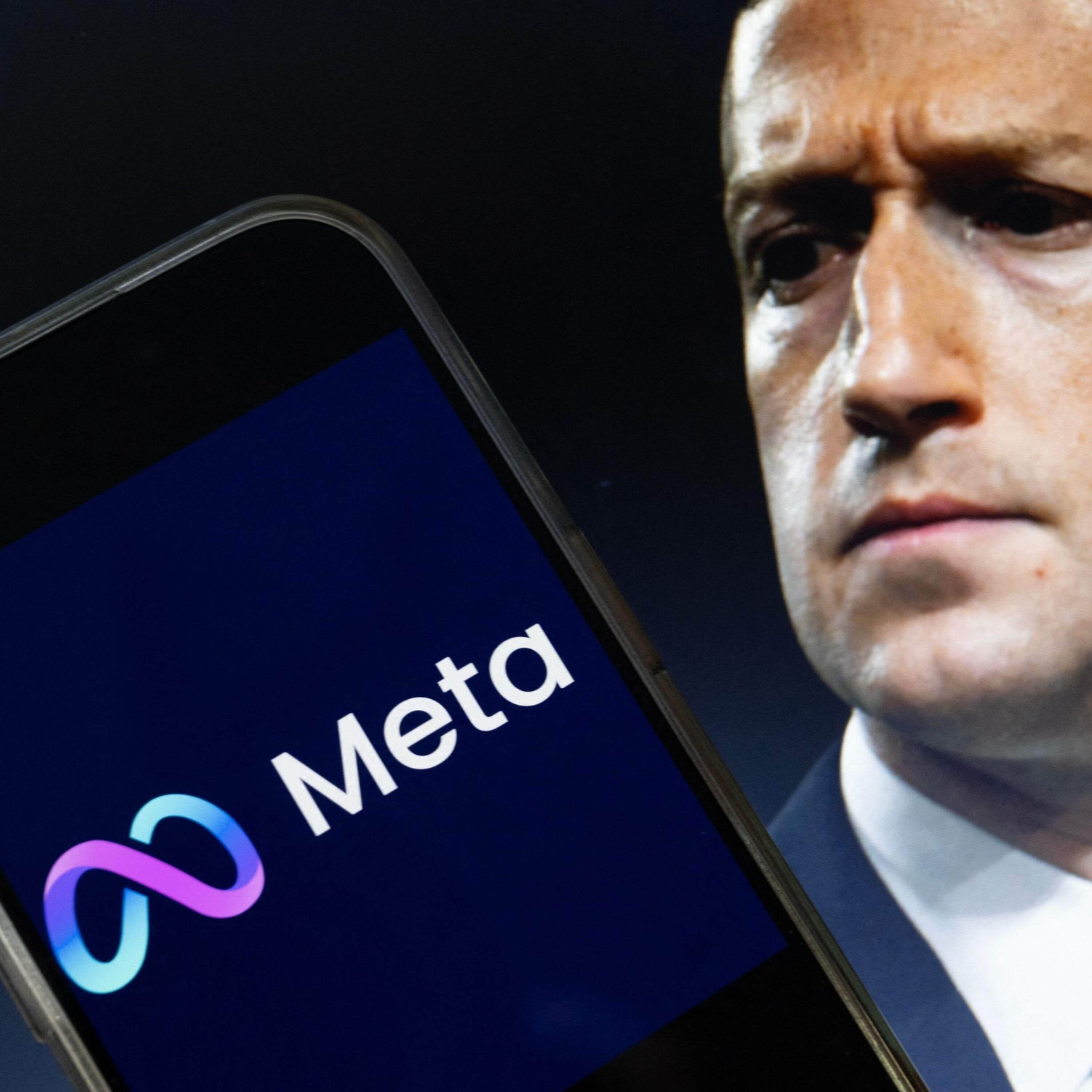
Meta turns AI convenience into a privacy gamble
Why Meta is giving you Muse for free
Muse shows how AI agents could reshape online commerce while exposing users’ messages, finances, and other sensitive information to new risks.
- 1Muse handles job searches, apartment hunting, and website management, making an AI agent feel useful before it feels intrusive.
- 2Meta could monetize Muse through targeted advertising, referral fees, and subscriptions as agents move closer to purchases.
- 3A vulnerability found by Patrick Wardle highlights the security risks of giving AI agents access to email, payments, and finances.
Don't miss
Patrick Wardle’s account of finding a serious Muse vulnerability turns abstract privacy concerns into a concrete security warning.
The brief
Meta’s Muse can search for jobs, find apartments, and manage a website, offering practical help while raising the episode’s central question: what access is too much?
The hosts argue that Muse could bring Meta’s advertising business closer to the moment of purchase, generating revenue through ads, referrals, and subscriptions.
Muse’s free tier reflects a broader shift in the AI race: useful applications and access to user information may matter as much as model quality.
Cybersecurity researcher Patrick Wardle describes finding a serious Muse vulnerability, sharpening concerns about agents that can reach email, payment details, or finances.
The episode closes by urging boundaries around AI agents and questioning the risks of Meta’s proposed Muse Charm, which could listen to conversations and make recommendations.
Weekly email
State of the Pod, every Monday
The week's most-discussed names and stories from podcasts, with the moments behind them. Free, five minutes, unsubscribe in one click.