Nov 6, 2026 · 1h 26m
Near-death reports test the boundary between brain and consciousness
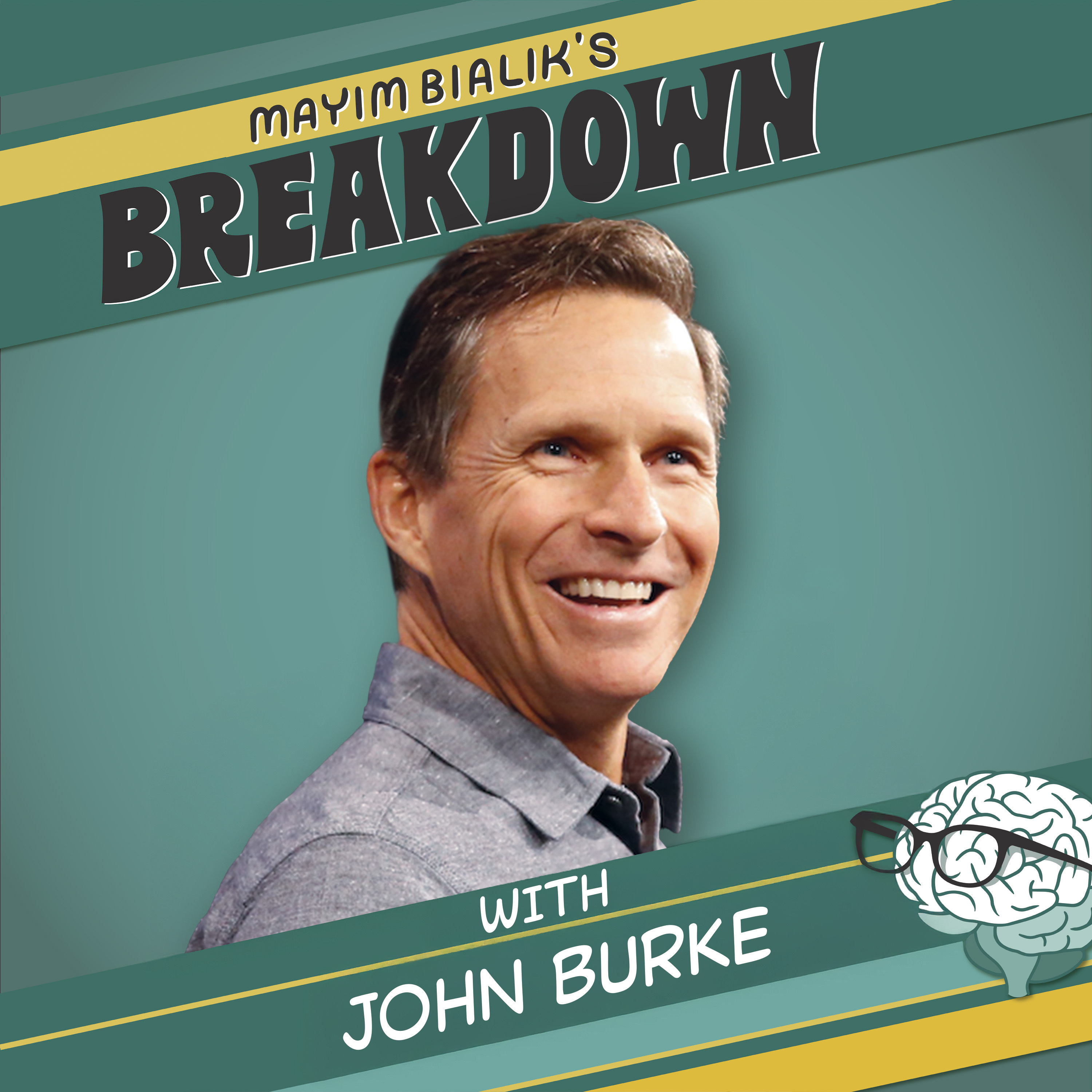
They Died, Saw Hell & Came Back. What 1,500 Near-Death Experiences Reveal About Dying | John Burke
John Burke’s large collection of NDE accounts raises a difficult question: do recurring experiences reveal an afterlife, or the brain under extreme stress?
- 1Burke identifies recurring NDE features including out-of-body perception, altered time, life reviews, and renewed purpose.
- 2The episode weighs neurological explanations against reports of verifiable observations, blind experiencers seeing, and cross-cultural encounters with Jesus.
- 3NDEs are framed less as maps of the afterlife than as moral prompts toward love, forgiveness, courage, and purposeful living.
Don't miss
Burke recounts Howard Storm’s terrifying experience of torment, repentance, and rescue, followed by his return as a transformed pastor.
The brief
John Burke discusses patterns across more than 1,500 near-death experiences, from leaving the body and entering light to returning with a sharpened sense of purpose.
The central dispute is whether NDEs reflect brain activity or consciousness beyond the brain, with Mayim Bialik pressing Burke on neurological explanations and evidentiary limits.
Burke’s case rests on three strands: verifiable observations during resuscitation, visual reports from people blind from birth, and similar encounters across religious backgrounds.
The conversation also confronts hellish experiences, including Howard Storm’s reported descent, torment, repentance, and transformation into a pastor after encountering Jesus.
Whatever their ultimate explanation, the hosts return to a practical implication: life reviews and NDE accounts make small acts of love, forgiveness, and attention matter.
Weekly email
State of the Pod, every Monday
The week's most-discussed names and stories from podcasts, with the moments behind them. Free, five minutes, unsubscribe in one click.