Nov 3, 2026 · 22 min
Novelty drains more than money
How to reclaim joy without seeking out newness
The episode examines how constant exposure to new products can erode attention, happiness, and resources, then offers practical ways to recover enjoyment from familiar things.
- 1Human attraction to novelty once supported survival but now meets frictionless shopping and constant marketplace prompts.
- 2Clarifying personal values can expose impulse purchases that substitute status goods for a stronger sense of self-worth.
- 3Adding purchase delays and revisiting familiar experiences can make room for enjoyment without requiring constant acquisition.
Don't miss
Eric Athas explains how returning to familiar experiences can reveal unexpected novelty and enjoyment.
The brief
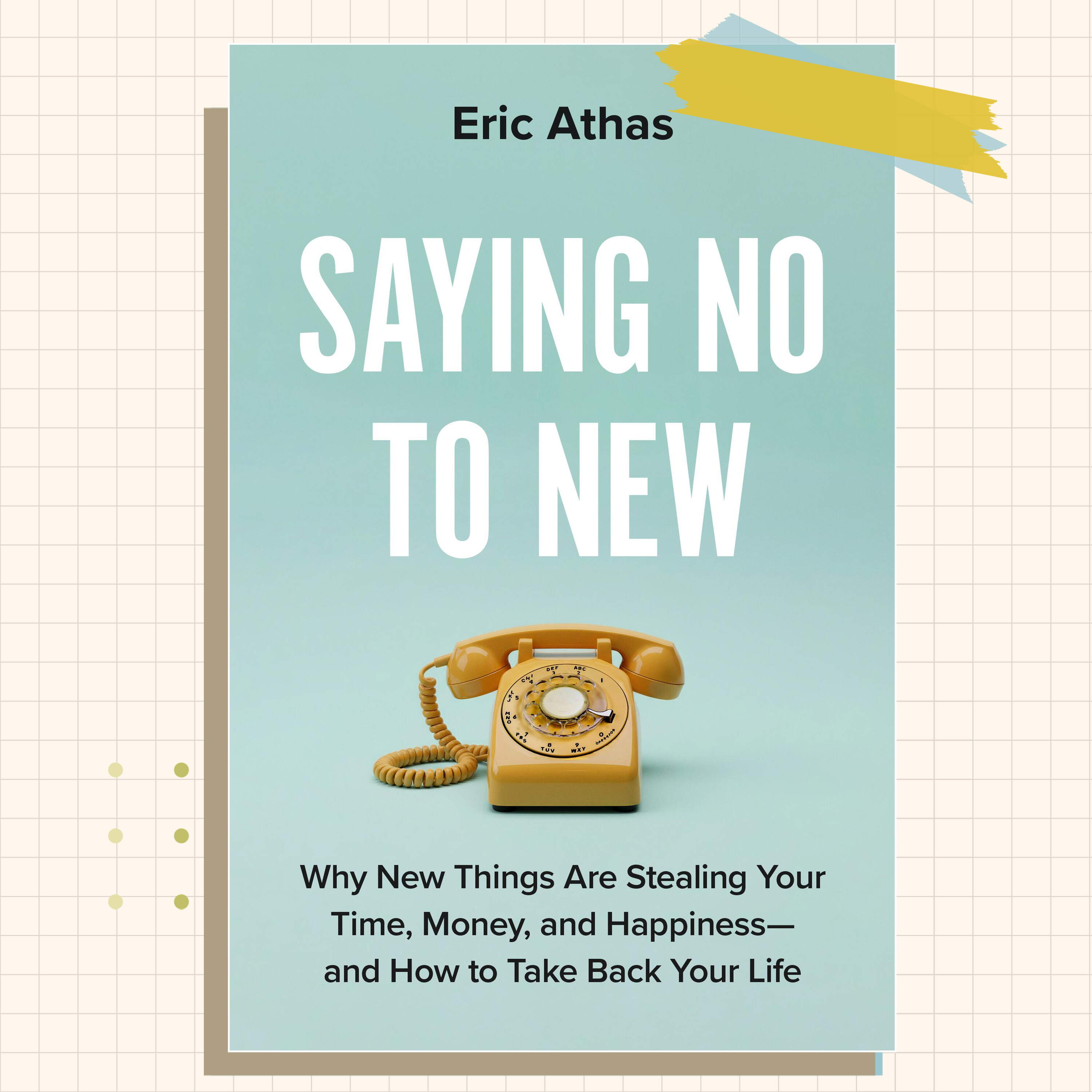
Eric Athas traces his fading excitement over new Apple products to a larger question: when does novelty stop improving life and start consuming it?
Humans evolved to seek new food, territory, and tools, but frictionless shopping now turns that useful instinct into an always-available purchasing impulse.
Athas argues that repeated acquisition offers brief pleasure while draining money, time, attention, happiness, and opportunities that could serve deeper values.
His practical countermeasures include writing down personal values, removing shopping apps, waiting 24 hours, and recognizing how sellers manufacture urgency.
The episode’s most surprising turn comes when familiar museums, restaurants, books, walks, and destinations become sources of renewed novelty rather than obligations to seek something new.
Books & mentions
Some links are affiliate links — PodLume may earn a commission if you buy.

Weekly email
State of the Pod, every Monday
The week's most-discussed names and stories from podcasts, with the moments behind them. Free, five minutes, unsubscribe in one click.