Oct 23, 2026 · 34 min
Octopus mother sets record in four-year deep-sea vigil
Octomom
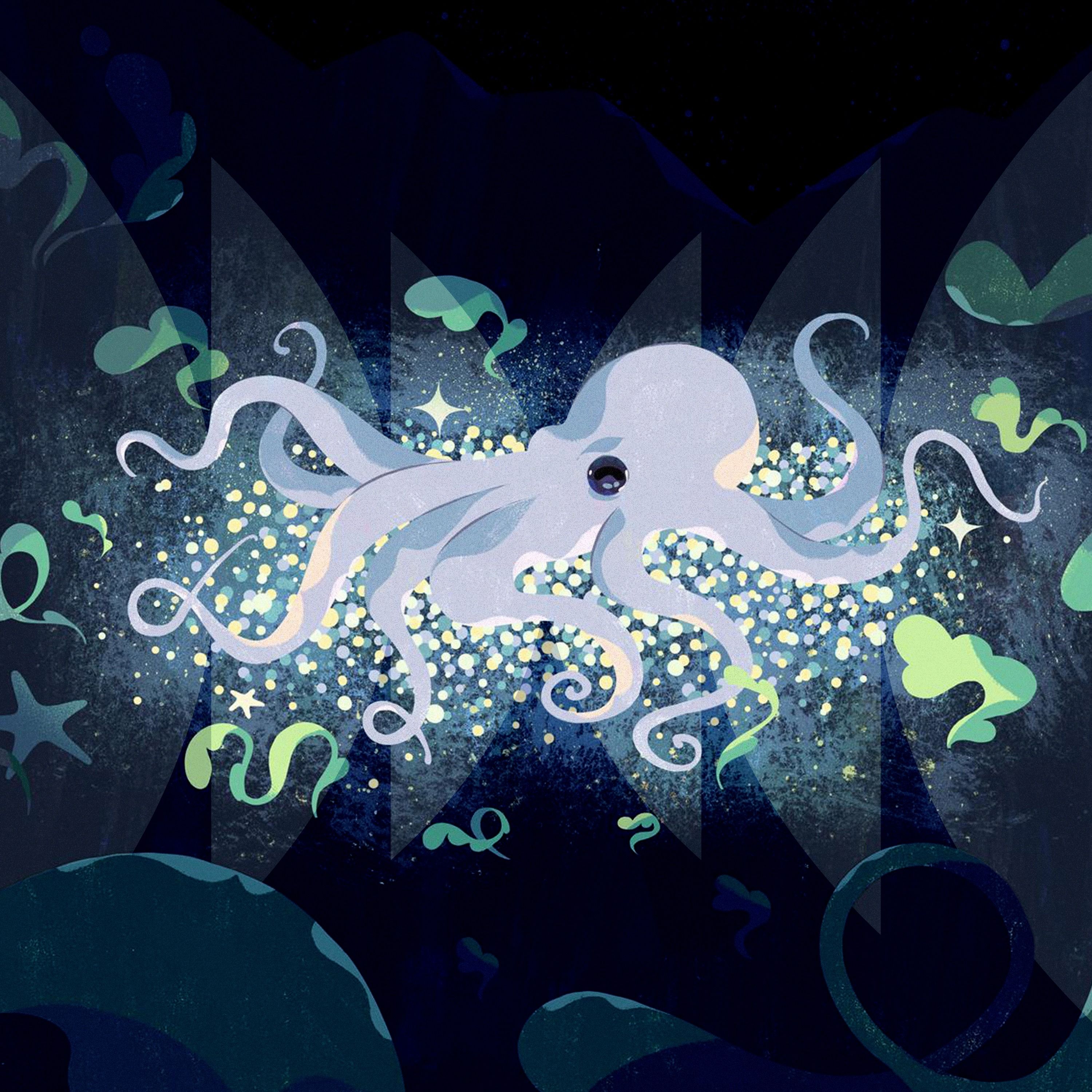
Octomom’s extraordinary brood reveals the biological cost of protecting offspring in one of the ocean’s least observed environments.
- 1Octomom guarded and cleaned 160 eggs nearly a mile beneath the surface for four and a half years.
- 2Researchers watched her grow frail without eating while defending the clutch from crabs and shrimp.
- 3Octopus biology helps explain how her nervous system sustained a final, fatal reproductive vigil.
Don't miss
After four and a half years, researchers find Octomom gone, her egg cases empty, and young octopuses emerging from the clutch.
The brief
In 2007, marine biologist Bruce H. Robison and Annie McEwen’s team descended nearly a mile into Monterey Canyon and found a purple-gray octopus on the seafloor.
When researchers returned, the octopus was brooding 160 eggs. They named her Octomom and began documenting a vigil that would outlast ordinary human attention spans.
Over four and a half years, Octomom guarded and cleaned the clutch without eating, growing pale and weak as crabs and shrimp pressed around her.
Yan Wong explains how octopus reproduction redirects the body toward its final task: optic-gland chemicals help sustain starvation and focused protection.
The eggs eventually hatched, leaving empty cases and young octopuses where Octomom had been. Her disappearance marked the longest known brooding period.
Books & mentions
Some links are affiliate links — PodLume may earn a commission if you buy.

Weekly email
State of the Pod, every Monday
The week's most-discussed names and stories from podcasts, with the moments behind them. Free, five minutes, unsubscribe in one click.