Aug 19, 2026 · 1h 23m
Overextended carriers expose the costs of chaotic foreign policy
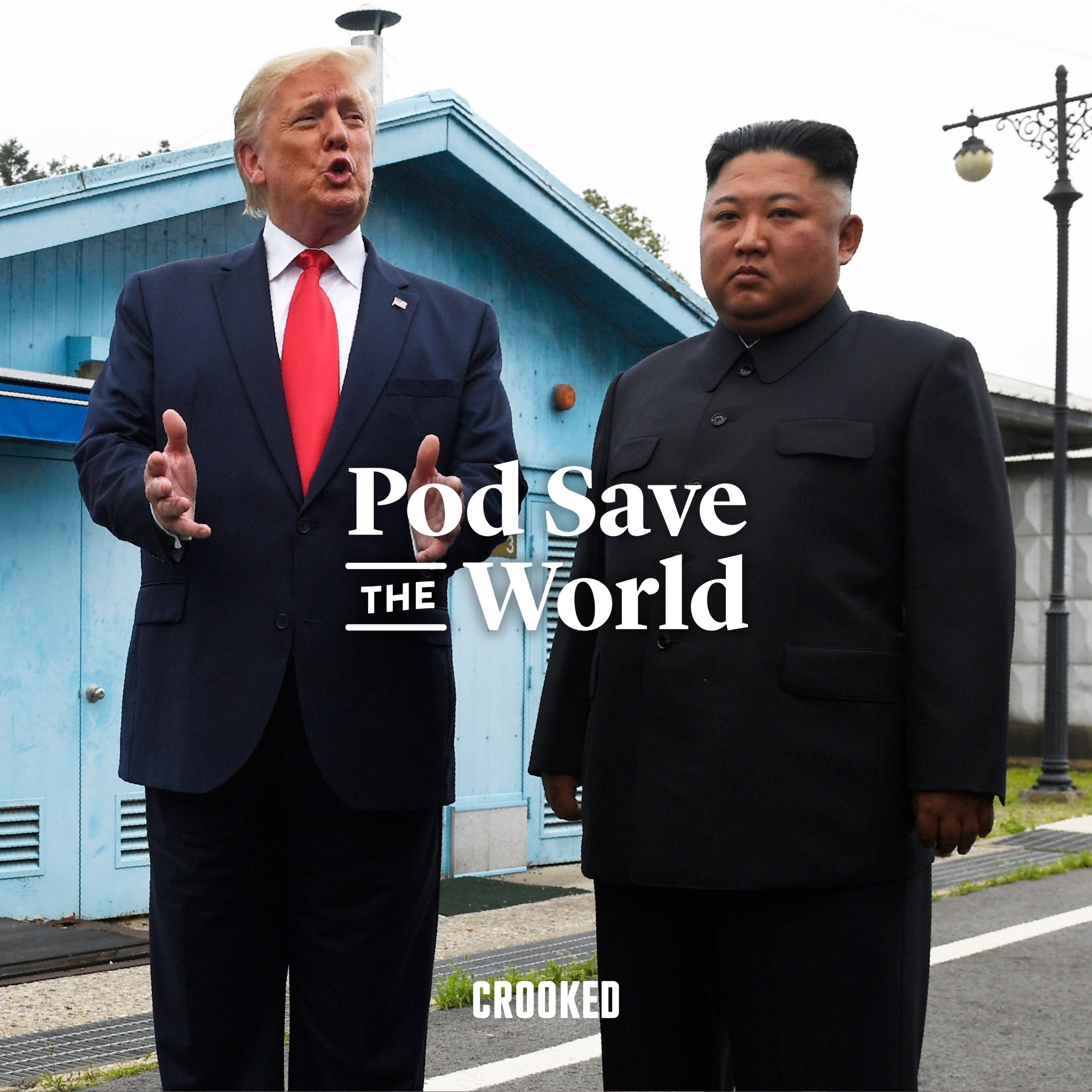
Trump’s Unrequited Love for Kim Jong Un
The episode links erratic diplomacy and weakened alliances to concrete risks for service members, military readiness, and global stability.
- 1Trump’s attacks on South Korea and renewed outreach to Kim Jong-un signal strategic failure, not a coherent Asia policy.
- 2A nearly 260-day USS Lincoln deployment left sailors exhausted, families strained, and the Navy struggling with resupply and maintenance.
- 3The discussion connects Gaza, Russian destabilization, climate damage, and racist rhetoric to a broader pattern of reckless leadership.
Don't miss
Natalia Oliverio details how the USS Lincoln’s nearly 260-day deployment produced exhaustion, isolation, poor conditions, and serious readiness concerns.
The brief
The hosts argue that Trump’s attacks on South Korea and renewed fascination with Kim Jong-un reveal impulsive diplomacy, while North Korea’s nuclear and missile capabilities continue to grow.
They connect unreliable alliances, pressure on the dollar, Gaza policy, and Russian destabilization to a broader erosion of American influence and strategic credibility.
Natalia Oliverio of Military Times describes the human cost of the USS Lincoln’s nearly 260-day deployment: exhaustion, poor food, isolation, mental-health concerns, and strain on families.
The carrier’s lost Bahrain logistics hub forced lengthy resupply detours, exposing how prolonged deployments consume maintenance time, weaken readiness, and divert forces from the Pacific.
The episode’s central warning is practical: erratic political decisions become operational failures when crews, alliances, and military systems are pushed beyond their limits.