Nov 10, 2026 · 51 min
Perimenopause demands diagnosis beyond a hormone test
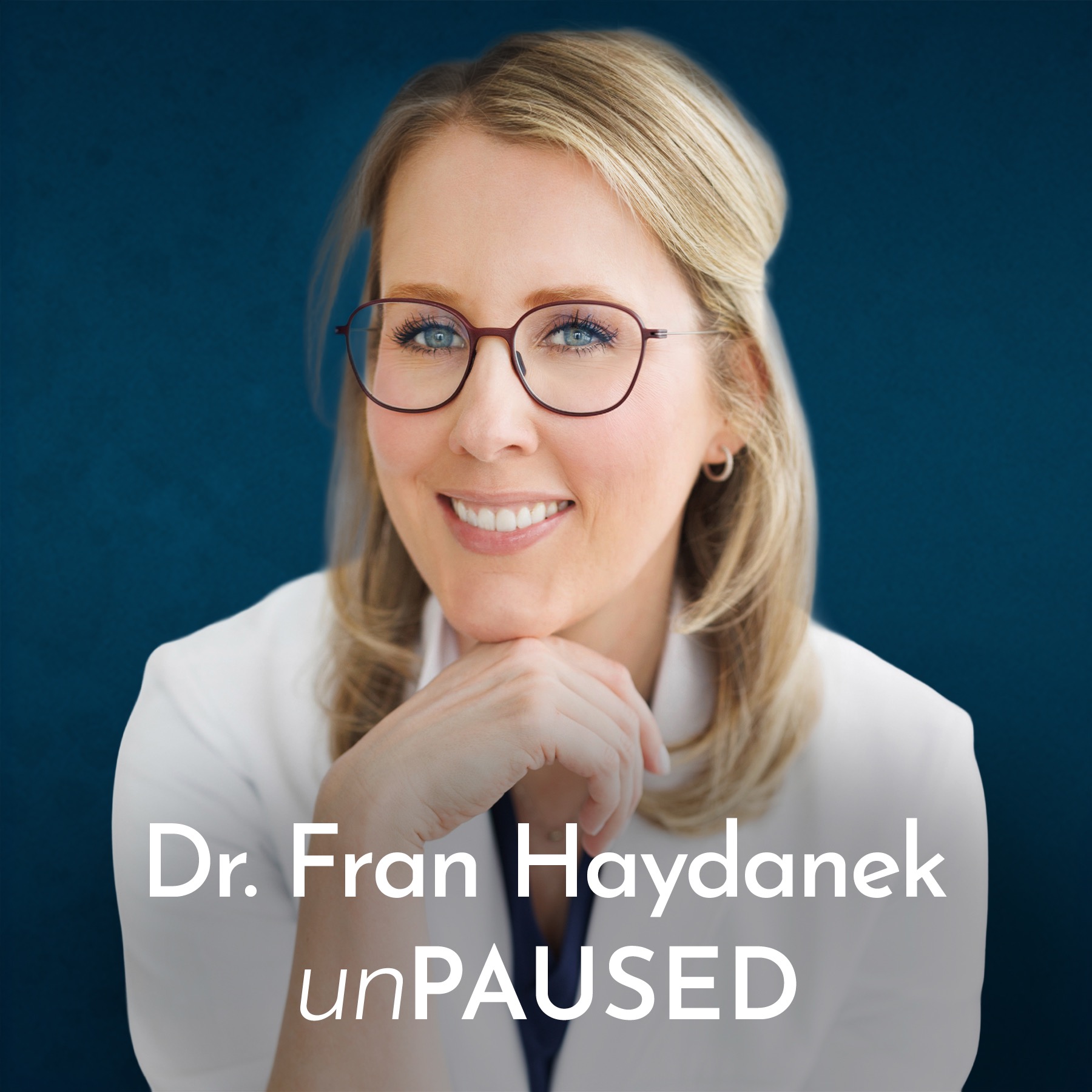
Perimenopause or Something Else? Brain Fog, Anxiety & Fatigue with Dr. Fran Haydanek
Symptoms that resemble perimenopause can reflect treatable conditions or signal longer-term mental, metabolic, and cardiovascular risks.
- 1Perimenopause diagnosis depends on symptom and menstrual patterns, not a single blood test.
- 2Hormone sensitivity may connect PMS, postpartum depression, and perimenopausal mood changes without guaranteeing future illness.
- 3Iron deficiency, thyroid disease, sleep apnea, diabetes, and depression can mimic menopause symptoms and require separate evaluation.
Don't miss
Haydanek explains why pregnancy history, including gestational diabetes, hypertension, and preeclampsia, can reveal future metabolic and cardiovascular risk.
The brief
Fran Haydanek joins Mary Claire Haver to connect PMS, PMDD, postpartum depression, and perimenopausal mood changes through sensitivity to hormonal shifts.
The episode rejects a single-test approach to perimenopause: irregular cycles, hot flashes, sleep disruption, mood changes, and feeling unlike oneself provide the clinical pattern.
Haydanek urges patients with prior postpartum depression or major symptoms to plan care early, using dedicated visits, mental-health support, medication, hormones, or combinations.
The central caution is diagnostic: fatigue, hair loss, palpitations, brain fog, and sleep problems can also point to iron deficiency, thyroid disease, sleep apnea, diabetes, or depression.
Pregnancy complications and gestational diabetes emerge as more than historical details, offering clues about later cardiovascular and metabolic risk that should remain in ongoing care.
Books & mentions
I Did My Own Research
A related outlet for Haydanek’s broader discussions of women’s health and medical decision-making.
Weekly email
State of the Pod, every Monday
The week's most-discussed names and stories from podcasts, with the moments behind them. Free, five minutes, unsubscribe in one click.