Oct 15, 2026 · 18 min
Politicians reshape language to sound relatable
Why do politicians talk like that?
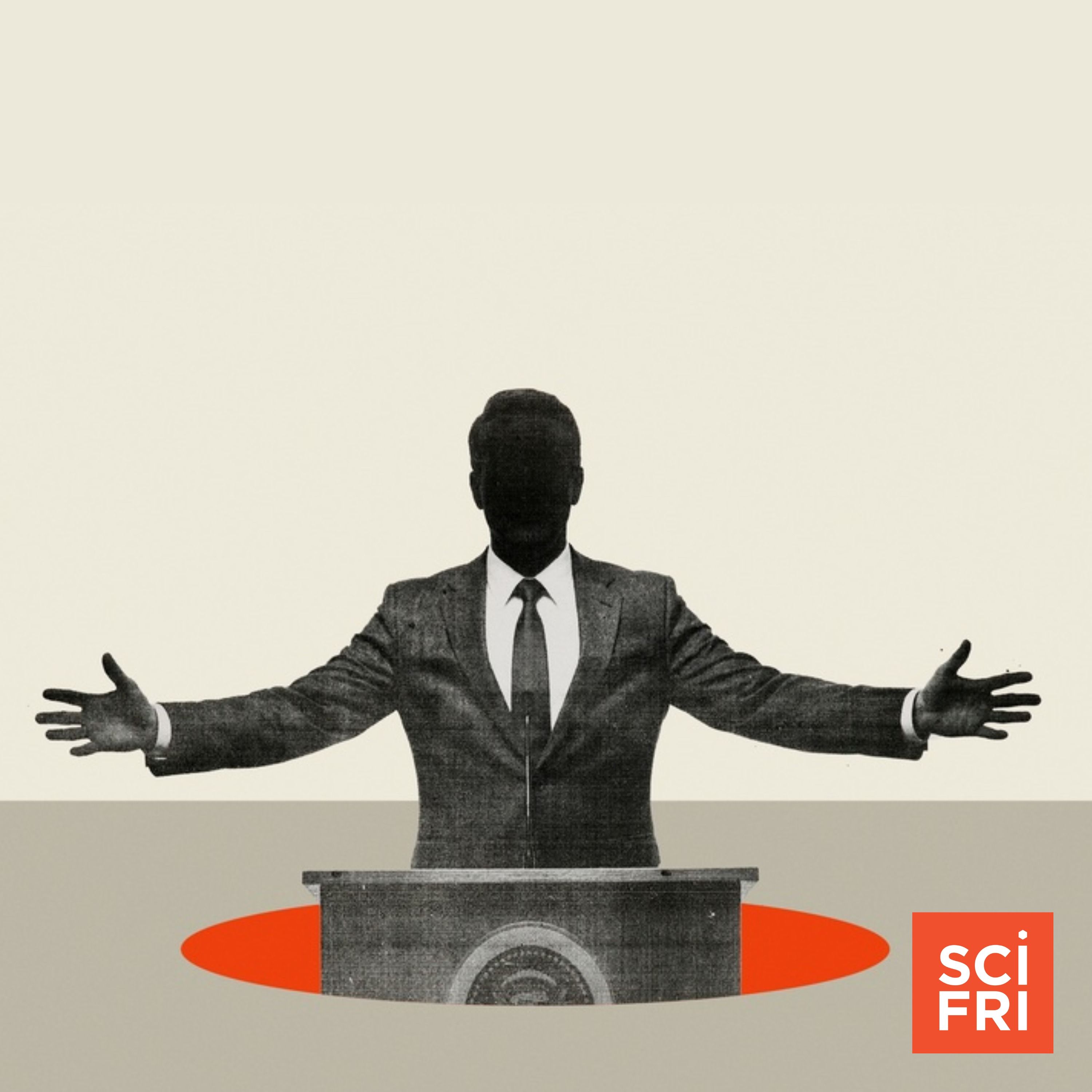
Campaign speech does more than communicate policy: pronunciation, repetition, and emotional language can signal identity and influence how voters judge authenticity.
- 1Campaign language grows shorter, simpler, more emotional, and more repetitive as elections approach.
- 2Modern political messaging shifted toward voter-oriented and relatable language through changes that accelerated from the 1970s into the 1990s.
- 3Pronunciation and accents can cue class, region, and partisan identity, while politicians strategically adopt or suppress them.
Don't miss
Fridland explains how pronunciations such as “Iraq,” “aunt,” and “tomato” can signal political, regional, and class identities.
The brief
Linguist Valerie Fridland joins Flora Lichtman to examine why campaign language becomes shorter, simpler, more emotional, and more repetitive as elections approach.
The episode traces today’s relatable political register to shifts beginning in the 1970s and accelerating in the 1990s, including voter-oriented messaging associated with Newt Gingrich and Frank Luntz.
Fridland argues that sounding authentic increasingly means foregrounding personal feelings and familiar stock phrases rather than data-driven language alone.
Pronunciation can carry political meaning: competing pronunciations of “Iraq,” along with vowels in “aunt” and “tomato,” evoke regional and class associations.
Politicians may adopt or suppress regional accents to resemble groups voters admire, even as regional speech differences decline across generations.
Books & mentions
Some links are affiliate links — PodLume may earn a commission if you buy.