Oct 14, 2026 · 13 min
Sargassum blooms turn ocean habitat into coastal hazard
Sargassum superblooms are choking coastlines around the Atlantic
The expanding Great Atlantic Sargassum Belt threatens shore ecosystems and communities while researchers race to forecast, collect, and reuse the seaweed.
- 1Sargassum supports a diverse open-ocean food web but can smother corals and seagrasses when it reaches shore.
- 2Deep-water mixing and river-borne nutrients may fuel recent abundance, though the blooms’ causes remain complex and uncertain.
- 3Satellite forecasts can help communities prioritize collection, but offshore removal is costly and difficult before the seaweed decays.
Don't miss
Brian Barnes contrasts sargassum’s role as open-ocean habitat with the damage large accumulations can cause after washing ashore.
The brief
The Great Atlantic Sargassum Belt now stretches across the tropical Atlantic, carrying a floating ecosystem toward coastlines from West Africa and Brazil to the Caribbean and Florida.
Oceanographer Brian Barnes explains how air-filled structures keep sargassum at the surface and why recent abundance has exceeded the region’s familiar seasonal pattern.
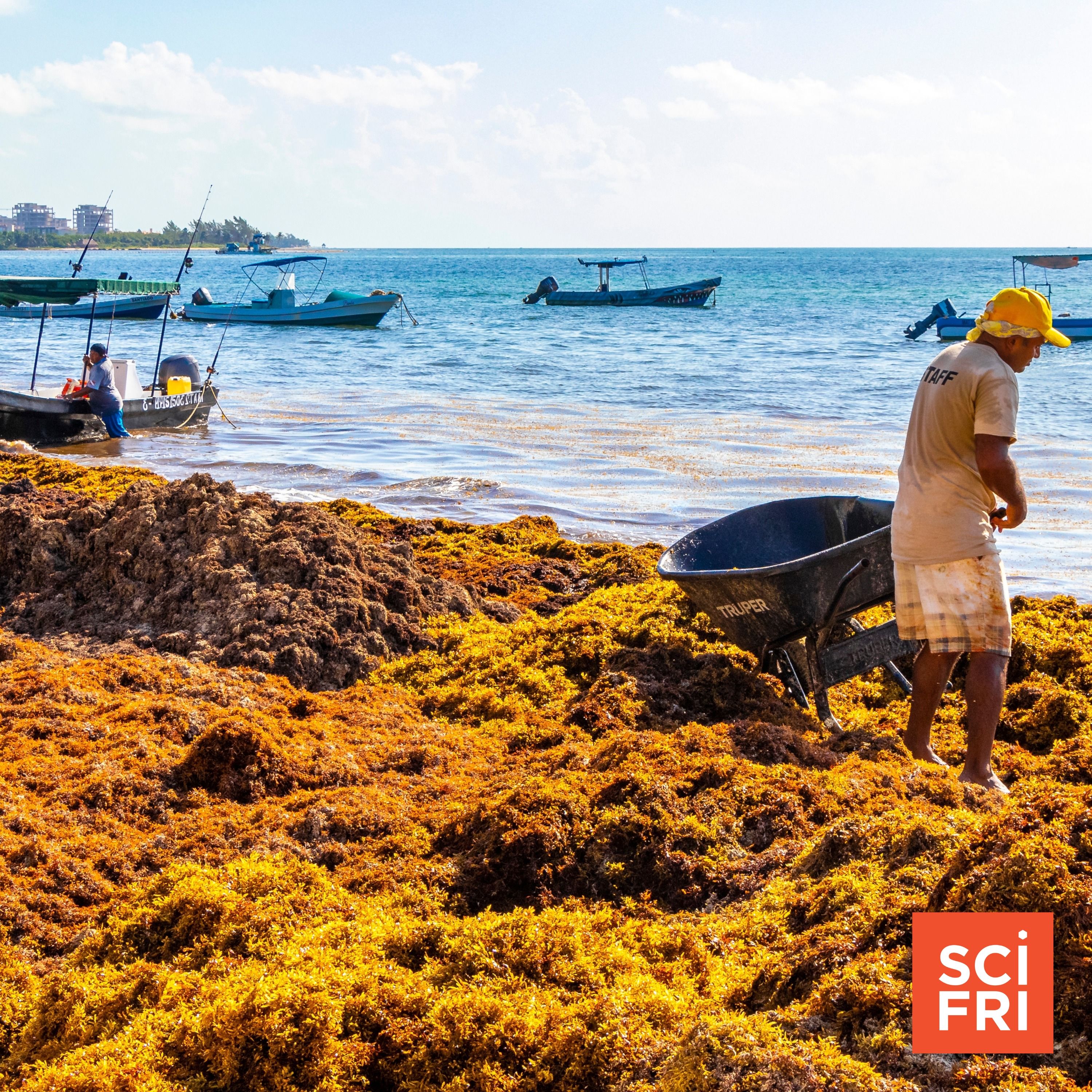
In open water, sargassum shelters a diverse food web; on shore, heavy accumulations can shade or smother corals and seagrasses and create cascading community problems.
The drivers remain uncertain, with deep-water nutrient mixing and river-borne nutrients among the possible contributors, making prediction more useful than a simple explanation.
Satellite tracking can guide coastal response, but the freshest, most reusable seaweed is hardest to collect: offshore barriers cost more, while beach material quickly decays.