Nov 16, 2026 · 18 min
Psychologist offers a practical exit from work stress
How to switch off your work brain
Work stress can damage sleep, relationships, health, and a sense of identity when it continues unchecked beyond working hours.
- 1Boundaries and transition rituals help mark a real end to the workday.
- 2Redirecting rumination into problem-solving or immersive distraction can interrupt repetitive stress.
- 3Restorative activities, limited venting, and broader interests help rebuild life beyond work.
Don't miss
Guy Winch distinguishes merely resting from activities that actively restore energy, arguing that effortful pursuits can make recovery more effective.
The brief
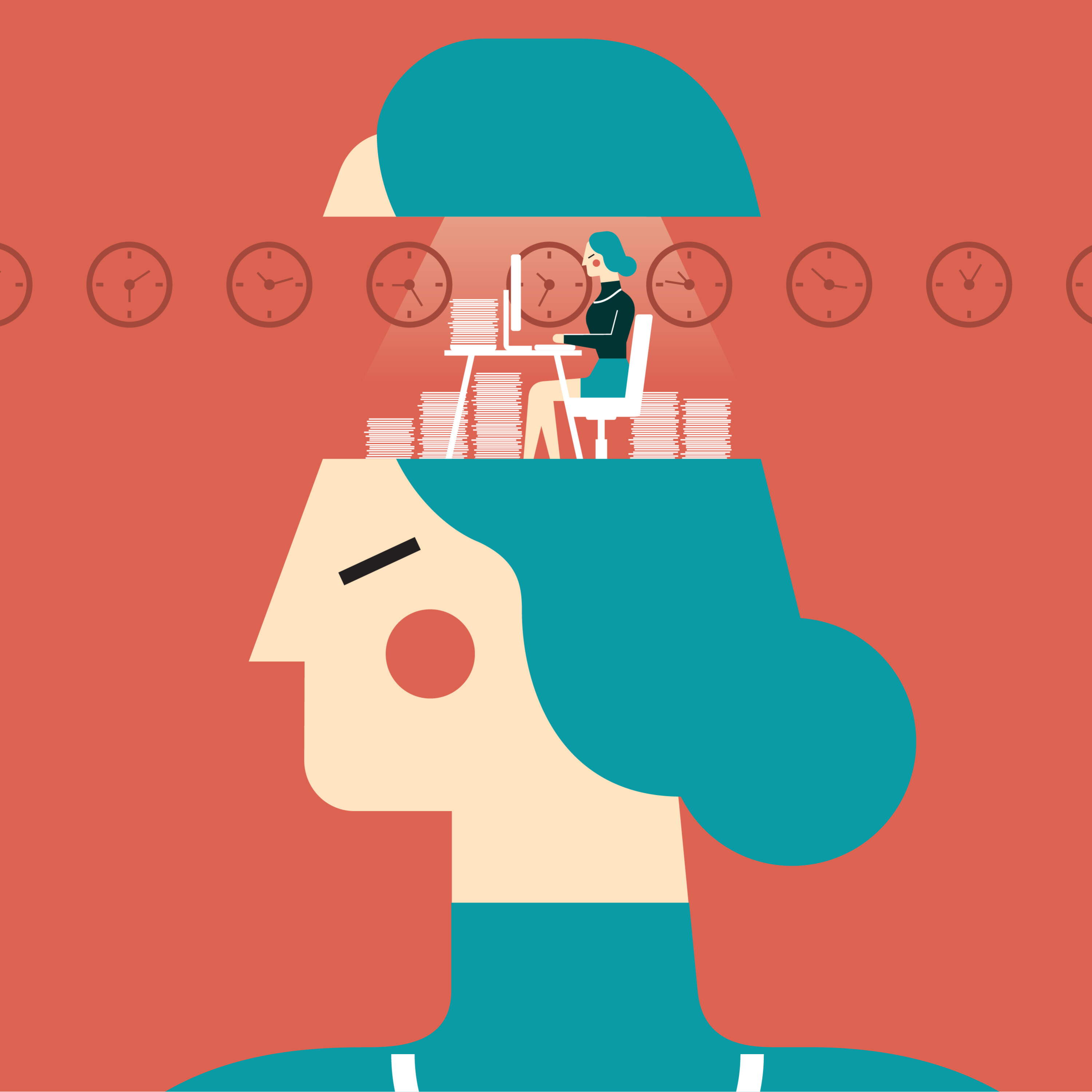
Psychologist Guy Winch argues that work does not end when the laptop closes: replaying difficult moments can keep the mind at work and strain sleep, eating, relationships, and health.
His first move is to turn vague distress into a concrete problem-solving exercise, or briefly redirect attention with an immersive task such as Wordle or a memory game.
Winch also recommends sensory transition rituals—changing clothes, taking a shower, playing music, adjusting lighting, or closing the workspace—to teach the brain that work is over.
The episode distinguishes passive rest from genuine recovery: exercise, creative projects, and socializing may require effort but can restore energy and improve sleep and next-day motivation.
The broader argument is about identity as much as stress: limiting work talk and protecting relationships, interests, and personal qualities keeps employment from defining an entire life.
Weekly email
State of the Pod, every Monday
The week's most-discussed names and stories from podcasts, with the moments behind them. Free, five minutes, unsubscribe in one click.