Nov 2, 2026 · 2h 20m
Public lands face a fight over ownership, power, and access
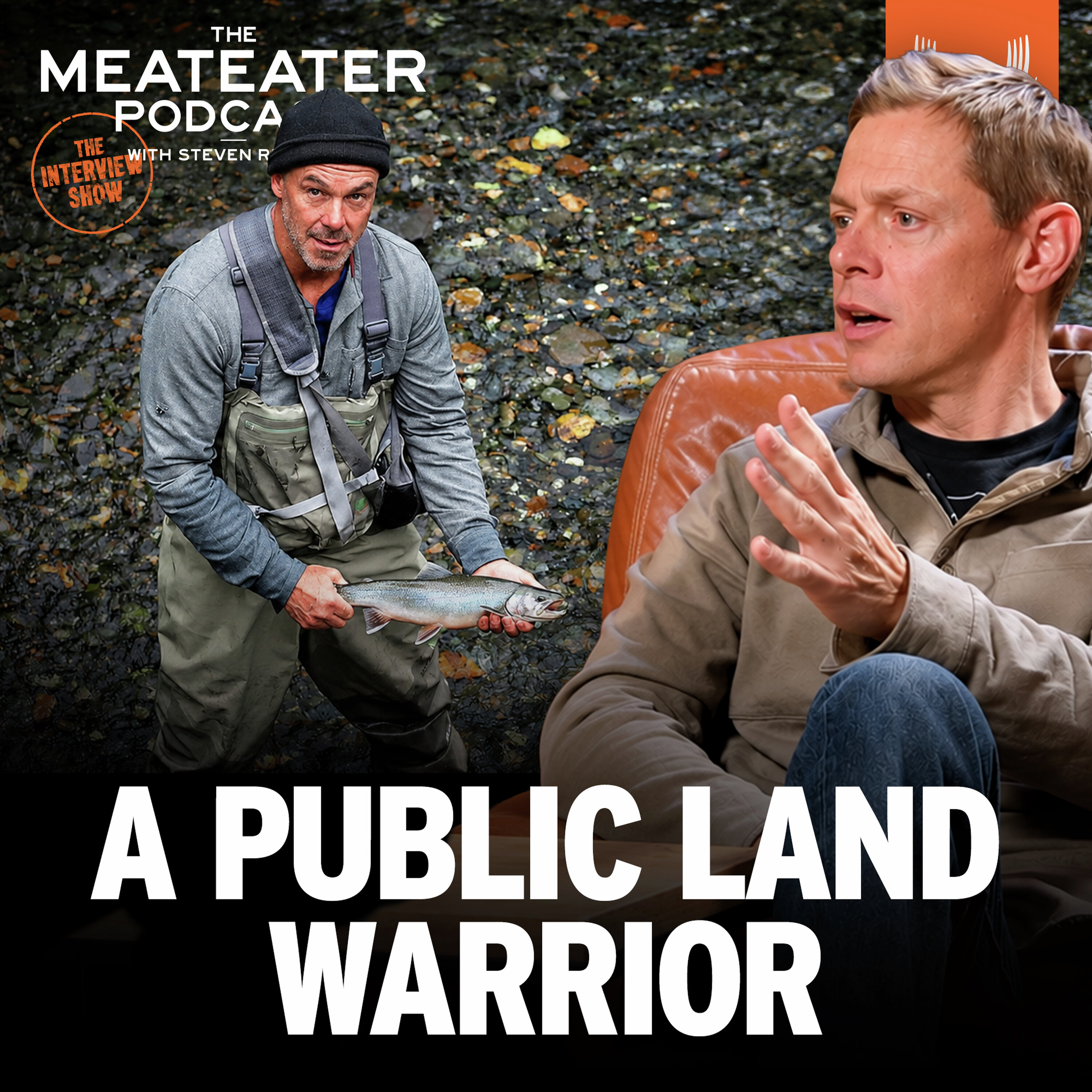
Ep. 954: A Public Land Warrior
The episode frames public-land policy as a test of democratic control, environmental stewardship, and whether shared resources remain available to communities.
- 1Public lands protect watersheds, wildlife, access, and democratic control beyond their measurable economic value.
- 2Privatization can transfer profits to private interests while leaving taxpayers responsible for pollution, damaged ecosystems, and depleted resources.
- 3Preserving the public estate requires better mining rules, restoration, and stronger community connections to conservation work.
Don't miss
Herring explains how public lands created through watershed protection, erosion recovery, and failed homesteading serve communities far beyond recreation.
The brief
Steven Rinella and journalist Hal Herring trace the rise of anti-federal public-land politics from the 1980s through Ruby Ridge, Waco, Malheur, and the Bundy occupation.
Their central tension is political as much as environmental: public agencies have been attacked by conservatives for restricting development and by environmentalists for permitting it.
Herring argues that public ownership protects watersheds, wildlife, flood control, and access, while private development can externalize pollution, fire, and restoration costs.
The conversation reaches beyond recreation, linking public lands to representative government and warning that land concentration can turn shared resources into private assets.
They close with a practical agenda: preserve the public estate, reform the 1872 Mining Law, restore damaged landscapes, and reconnect communities to conservation work.
Weekly email
State of the Pod, every Monday
The week's most-discussed names and stories from podcasts, with the moments behind them. Free, five minutes, unsubscribe in one click.