Nov 22, 2026 · 2h 45m
Scorsese’s neglected New York film finds its second life
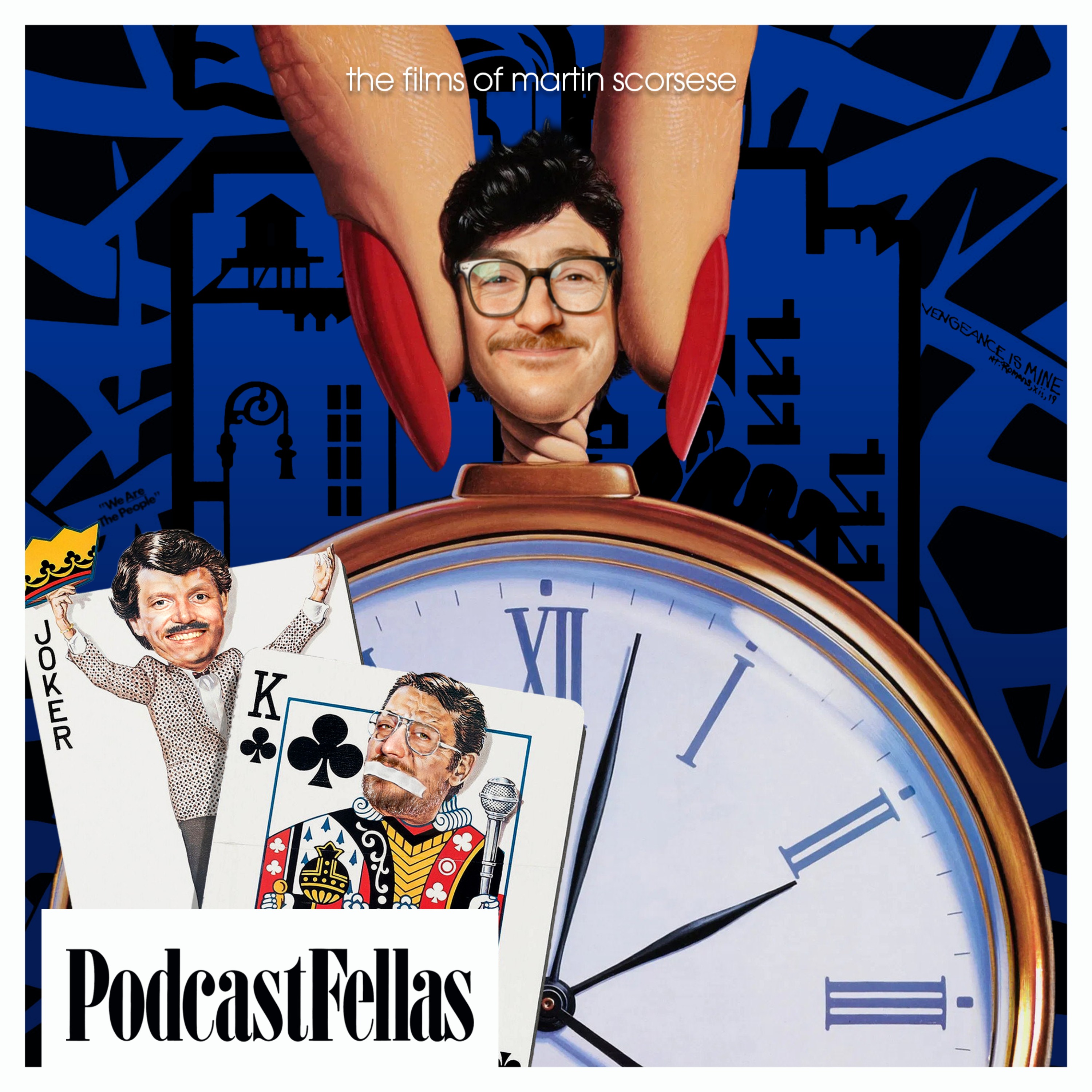
Bringing Out the Dead with Alex Ross Perry
The episode argues that Bringing Out the Dead’s failure to fit prestige, genre, or star-vehicle expectations helped obscure one of Scorsese’s richest films.
- 1Bringing Out the Dead closes Scorsese’s classic contemporary New York period with a study of exhaustion, grief, addiction, and compassion.
- 2Nicolas Cage’s star persona obscured a meditative ensemble film whose night-shift structure turns professional burnout into moral crisis.
- 3Its multiracial street life, unstable EMT crew, and pre-9/11 atmosphere make the film an unusually expansive portrait of New York.
Don't miss
The hosts connect the film’s sunrise embrace and final act of mercy to Schrader’s recurring interest in spiritual reckoning.
The brief
Alex Ross Perry joins Griffin and David to revisit Bringing Out the Dead, a film now framed as the endpoint of Scorsese’s gritty contemporary New York period.
The hosts argue that Nicolas Cage’s marketing obscured a meditative character study about an exhausted EMT, whose three graveyard shifts become a descent through grief and compassion.
Paul Schrader’s screenplay and the ensemble performances turn burnout into the film’s moral center, with John Goodman, Ving Rhames, and Tom Sizemore embodying different forms of collapse.
The discussion expands beyond the ambulance to the film’s multiracial New York street life, its pre-9/11 atmosphere, and its refusal to become a conventional genre movie.
The standout argument is that Bringing Out the Dead’s box-office failure and unfashionable seriousness may explain why its lasting appeal now feels like a critical correction.
Books & mentions
Some links are affiliate links — PodLume may earn a commission if you buy.

Weekly email
State of the Pod, every Monday
The week's most-discussed names and stories from podcasts, with the moments behind them. Free, five minutes, unsubscribe in one click.