Oct 26, 2026 · 56 min
Simile turns human behavior into a testable market signal
The $2B AI Startup Simulating Human Behavior with 85% Accuracy
Simulating people could make research faster and cheaper, but its usefulness depends on representative samples, consent, privacy, and autonomy.
- 1Simile evolved from Stanford’s Smallville experiment into a platform for simulating individual and population decisions.
- 2Behavior becomes more predictable when models account for stable traits, context, optionality, and the gap between stated and actual intentions.
- 3The company’s commercial promise is inseparable from safeguards governing sampling, informed consent, withdrawal rights, and employee autonomy.
Don't miss
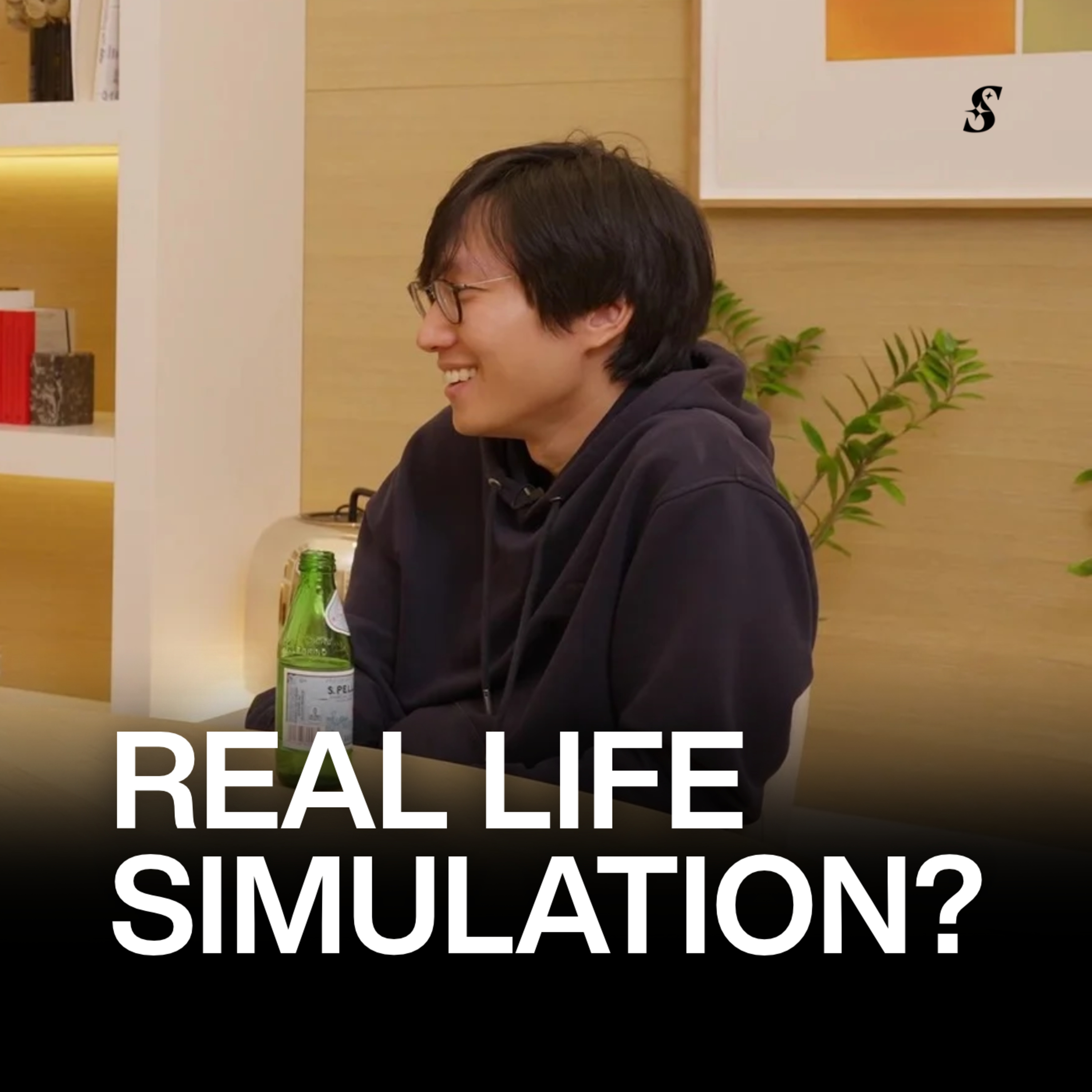
Park reveals that Simile modeled his conversation with Molly in advance and predicted some of the questions she would ask.
The brief
Joon Sung Park traces Simile from Stanford’s Smallville experiment, where language-model agents inhabited a simulated town, to a company modeling human decisions at population scale.
The premise is not that people are perfectly rational: stable traits, context, optionality, and the gap between intentions and actions can make behavior predictably irregular.
Simile sells simulated surveys and experiments to retailers, financial institutions, and other customers, using representative samples and vertical-specific agent banks to explore product decisions.
The promise comes with constraints: attention checks, sampling controls, informed consent, withdrawal rights, and limits on who can participate are central to credible simulations.
The most revealing demonstration arrives when Park says Simile simulated his conversation with Molly beforehand and predicted some of her questions.
Park ultimately frames Simile as a long-term mission rather than an exit opportunity, arguing that ambitious questions about collective behavior require sustained independence.
Weekly email
State of the Pod, every Monday
The week's most-discussed names and stories from podcasts, with the moments behind them. Free, five minutes, unsubscribe in one click.