Sep 20, 2026 · 3h 1m
The King of Comedy turns fame into a dangerous delusion
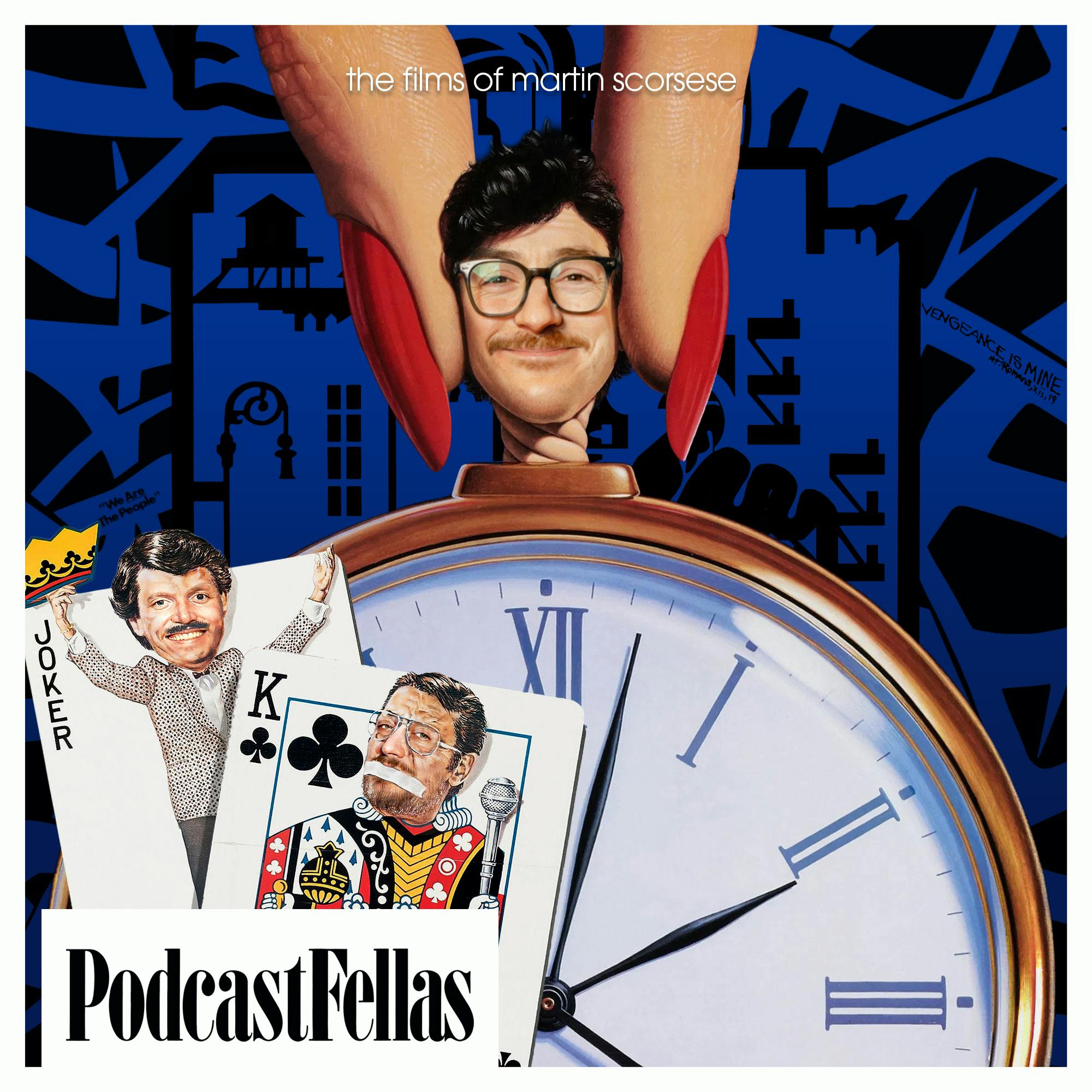
The King of Comedy with Stavros Halkias
The episode shows why Scorsese’s former commercial failure now feels uncannily current in an era of viral notoriety and parasocial obsession.
- 1Rupert Pupkin confuses persistence with entitlement, refusing the work and self-knowledge that comedy careers demand.
- 2The film treats celebrity as isolation and performance, making Jerry Langford’s polished public persona part of its unease.
- 3Its kidnapping plot anticipates viral fame while preserving the unsettling ambiguity between fantasy, crime, and success.
Don't miss
The hosts connect Pupkin’s televised performance and crime-for-fame strategy to modern viral notoriety, while weighing whether the ending is real or imagined.
The brief
Stavros Halkias joins the hosts to revisit a film that once failed commercially but now looks prophetic about stalking, parasocial obsession, and fame engineered for attention.
The central argument is that Rupert Pupkin is not simply a bad comedian: he has timing and mimicry, but refuses open mics, creative risk, and the work behind a career.
Jerry Langford’s celebrity offers the film’s counterpoint—public warmth and professional polish masking isolation, rigid boundaries, and fear of the people who want access.
The discussion connects Pupkin’s crime-for-fame strategy to modern viral stunts, while debating whether the ending depicts success, fantasy, or a disturbing blend of both.
Scorsese’s artificial television world, Jerry Lewis’s unnerving aura, and the film’s long reassessment explain why this former flop became a durable cultural reference point.