Nov 8, 2026 · 11 min
Trump signals a harder post-midterm course
Trump makes moves to reward loyalty to him and his agenda post-midterms
Stephen Miller’s elevation puts loyalty and policy intensity at the center of questions about Trump’s response to voter anger over affordability, war, tariffs, and corruption.
- 1Stephen Miller’s appointment signals that Trump plans to preserve his hardline agenda despite the Republican midterm defeat.
- 2Kevin Roberts says conservatives must address inflation, tariffs, war, corruption, and affordability rather than rely on ideological labels.
- 3Heritage’s post-Trump vision pairs stronger economic messaging with a more restrained national-security posture and clearer policy arguments.
Don't miss
Kevin Roberts argues that conservatives should declare victory in the Iran war and reduce their military footprint to ease economic pressure.
The brief
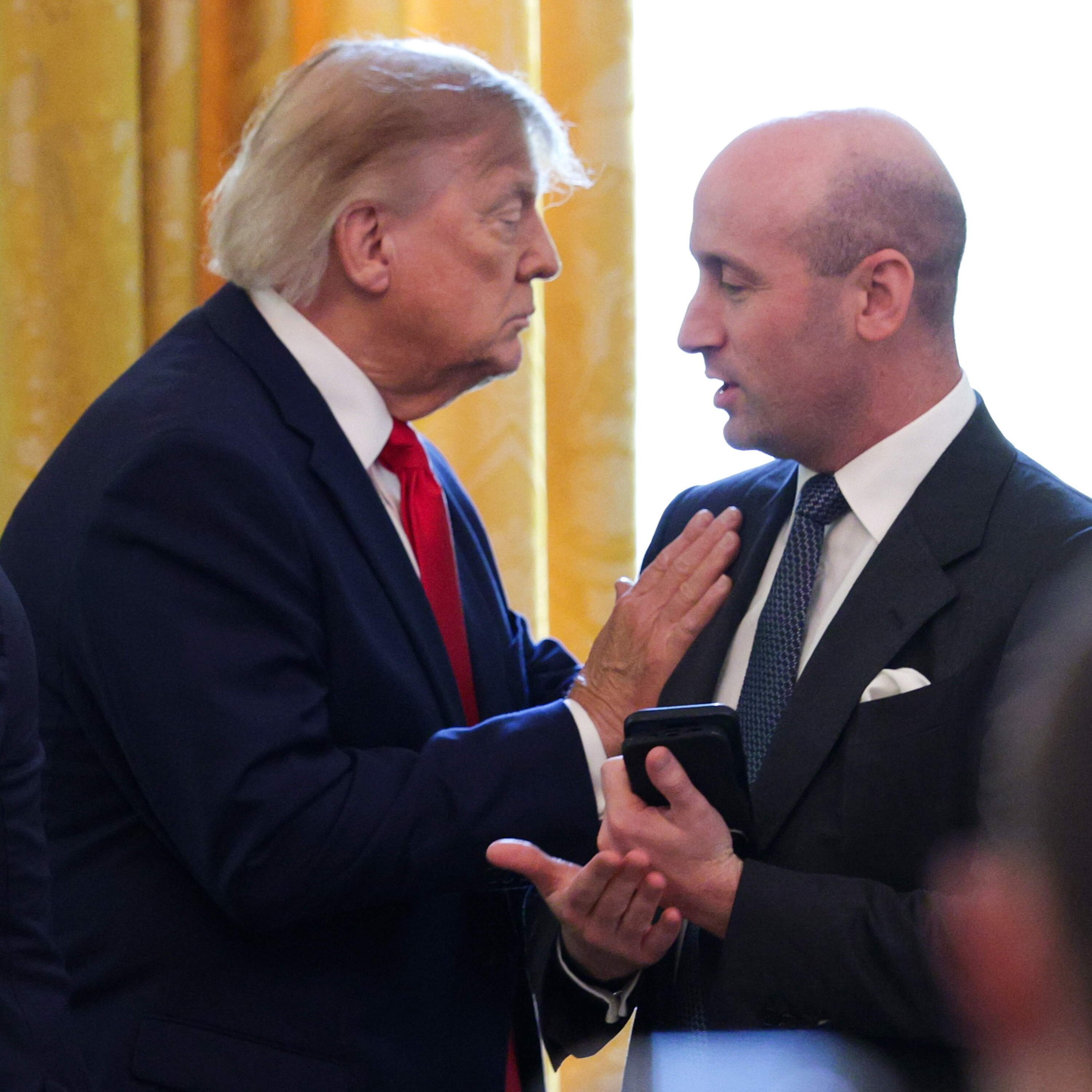
Donald Trump’s replacement of Susie Wiles with Stephen Miller is presented as more than a staffing change: it signals continued loyalty to a hardline agenda after the midterm defeat.
Kevin Roberts, president of the Heritage Foundation, reads Miller’s appointment as evidence that the administration will remain aggressive, even as Republicans confront the scale of their loss.
Roberts argues that conservatives must respond to kitchen-table pressures, including inflation and tariffs, while saying the administration should declare victory in the Iran war and reduce its military footprint.
The discussion links economic discontent and corruption concerns to a broader rejection of entrenched power, with Roberts invoking Viktor Orbán’s defeat in Hungary as a comparison.
For conservatism’s post-Trump future, Roberts emphasizes affordability, clearer explanations of policy, and restraint abroad—but declines to endorse a possible 2028 candidate.
Weekly email
State of the Pod, every Monday
The week's most-discussed names and stories from podcasts, with the moments behind them. Free, five minutes, unsubscribe in one click.