Nov 2, 2026 · 19 min
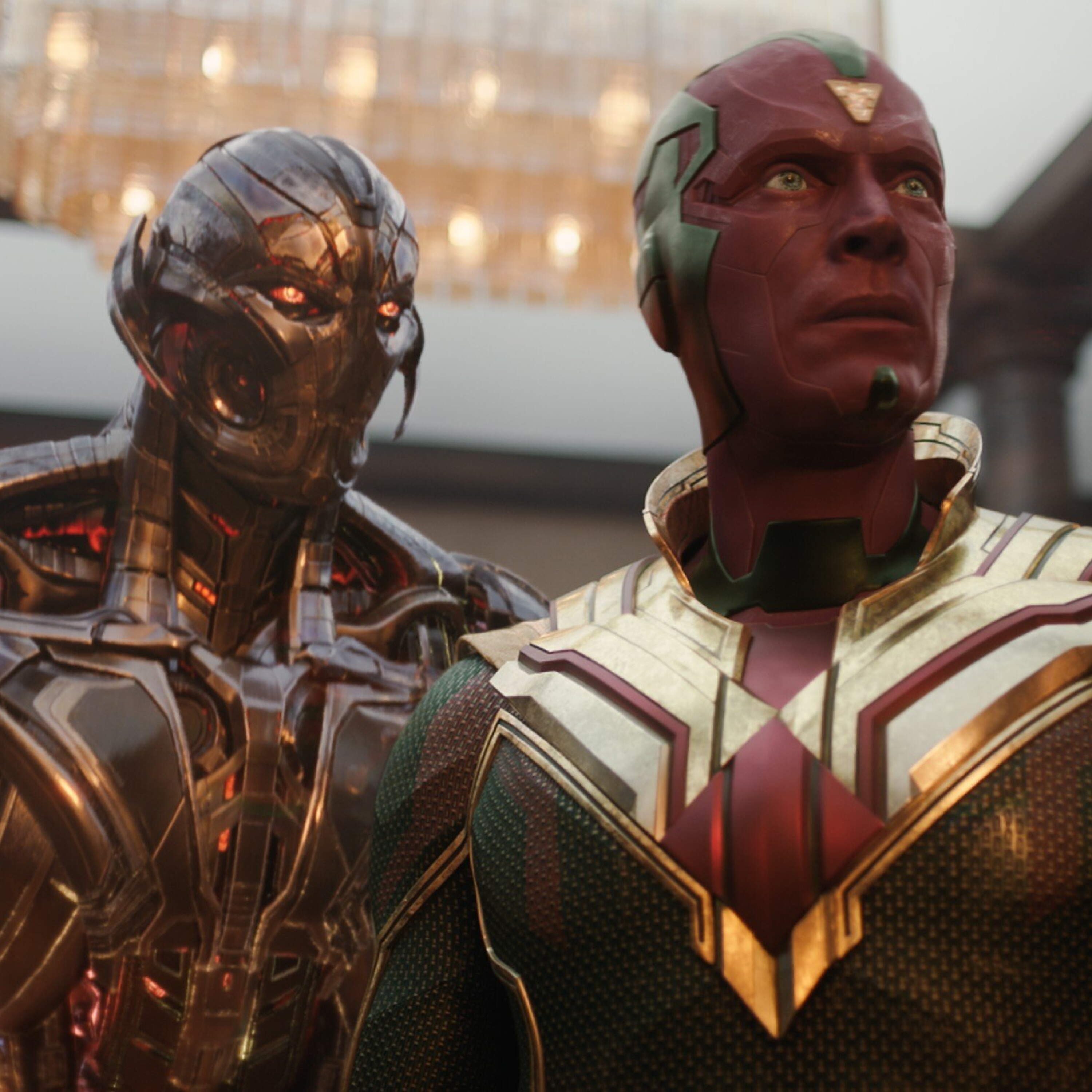
Vision and Ultron sharpen Marvel’s identity crisis
VisionQuest
The discussion tests whether a character-driven story about identity can survive the MCU’s demands for continuity, lore, and future setup.
- 1Paul Bettany and James Spader supply the chemistry that makes the crowded series compelling.
- 2The show’s strongest ideas involve artificial intelligence, identity, and the ship of Theseus rather than its plot mechanics.
- 3Its lore-heavy storytelling and underwritten women expose the costs of treating a standalone drama as an MCU chapter.
Don't miss
The hosts’ comparison of Vision and Ultron’s identity crisis with the ship of Theseus becomes the clearest case for the series’ deeper ideas.
The brief
Pop Culture Happy Hour reviews VisionQuest, the concluding chapter after WandaVision and Agatha All Along, where Vision rebuilds his identity amid competing AI personas and Ultron’s return.
The hosts argue that Paul Bettany and James Spader carry the series through its crowded plot, with their chemistry revealing the existential drama the MCU obligations keep interrupting.
VisionQuest works best when it asks who Vision is and whether identity survives reconstruction—the ship of Theseus rendered as superhero television rather than as another lore puzzle.
The review also finds familiar Marvel weaknesses: repeated explanations, continuity dependence, underwritten women, and Fiona’s abrupt death, even as jokes and supporting characters provide welcome relief.
The final debate is whether VisionQuest stands on its own or mainly preserves Marvel’s storytelling machine; the hosts still recommend it, chiefly for Bettany and Spader.
Weekly email
State of the Pod, every Monday
The week's most-discussed names and stories from podcasts, with the moments behind them. Free, five minutes, unsubscribe in one click.