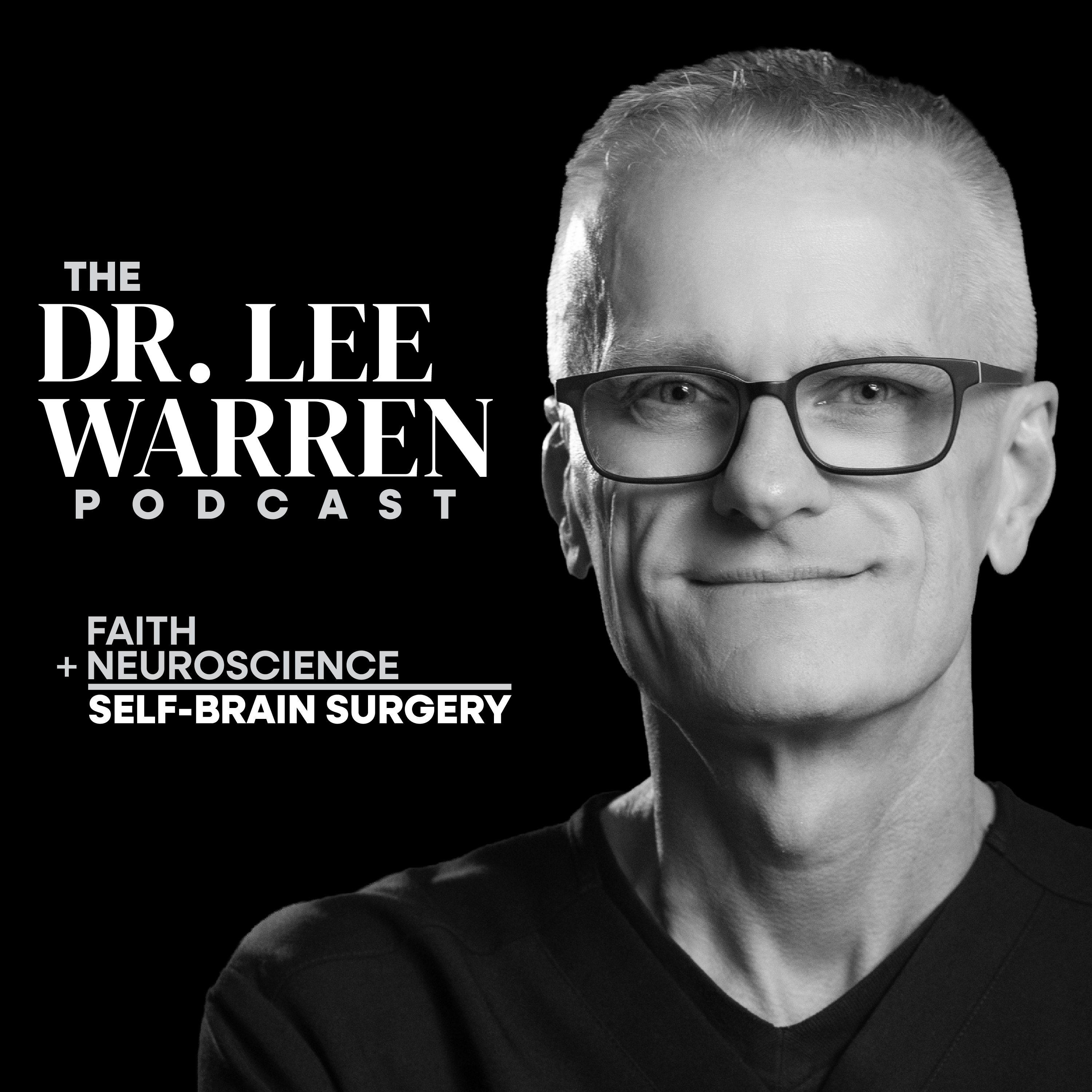
Oct 26, 2026 · 51 min
Listen from 5:58
Listen at 5:58
Warren reframes nighttime anxiety as a thought problem
The Prescription No One Expects (S15E25)
The episode offers a faith-based framework for separating automatic alarm responses from actual danger and reshaping recurring intrusive thoughts.
- 1Nighttime anxiety can amplify automatic thoughts without proving that danger or personal failure is present.
- 2Warren’s “self-brain surgery” examines, removes, and replaces harmful thought patterns rather than accepting them as facts.
- 3Philippians 4:4–9 connects prayer, gratitude, and meditation on biblical truth with renewed thinking and peace.
Don't miss
Warren turns the 2:47 a.m. spiral into a test of thought authority, arguing that the brain’s alarm is not proof of danger.
The brief
The episode opens at 2:47 a.m., when a cryptic message, uncertain medical results, financial worries, or dinner-table regret can make ordinary uncertainty feel like imminent danger.
W. Lee Warren argues that the brain’s alarm response reflects automatic thoughts, not proof that someone is broken or that the feared outcome is happening.
His “self-brain surgery” metaphor turns thought change into a practical sequence: examine harmful patterns, remove what distorts reality, and replace it with healthier thinking.
Drawing on Apostle Paul’s Philippians 4:4–9, Warren presents prayer, gratitude, and meditation on biblical truth as practices for redirecting attention and finding peace.
The episode’s central prescription is not eliminating every anxious thought, but learning to question its authority before the nighttime spiral becomes a verdict.
Books & mentions
Some links are affiliate links — PodLume may earn a commission if you buy.

Weekly email
State of the Pod, every Monday
The week's most-discussed names and stories from podcasts, with the moments behind them. Free, five minutes, unsubscribe in one click.