Oct 20, 2026 · 26 min
Waymo’s driverless promise meets the trust problem
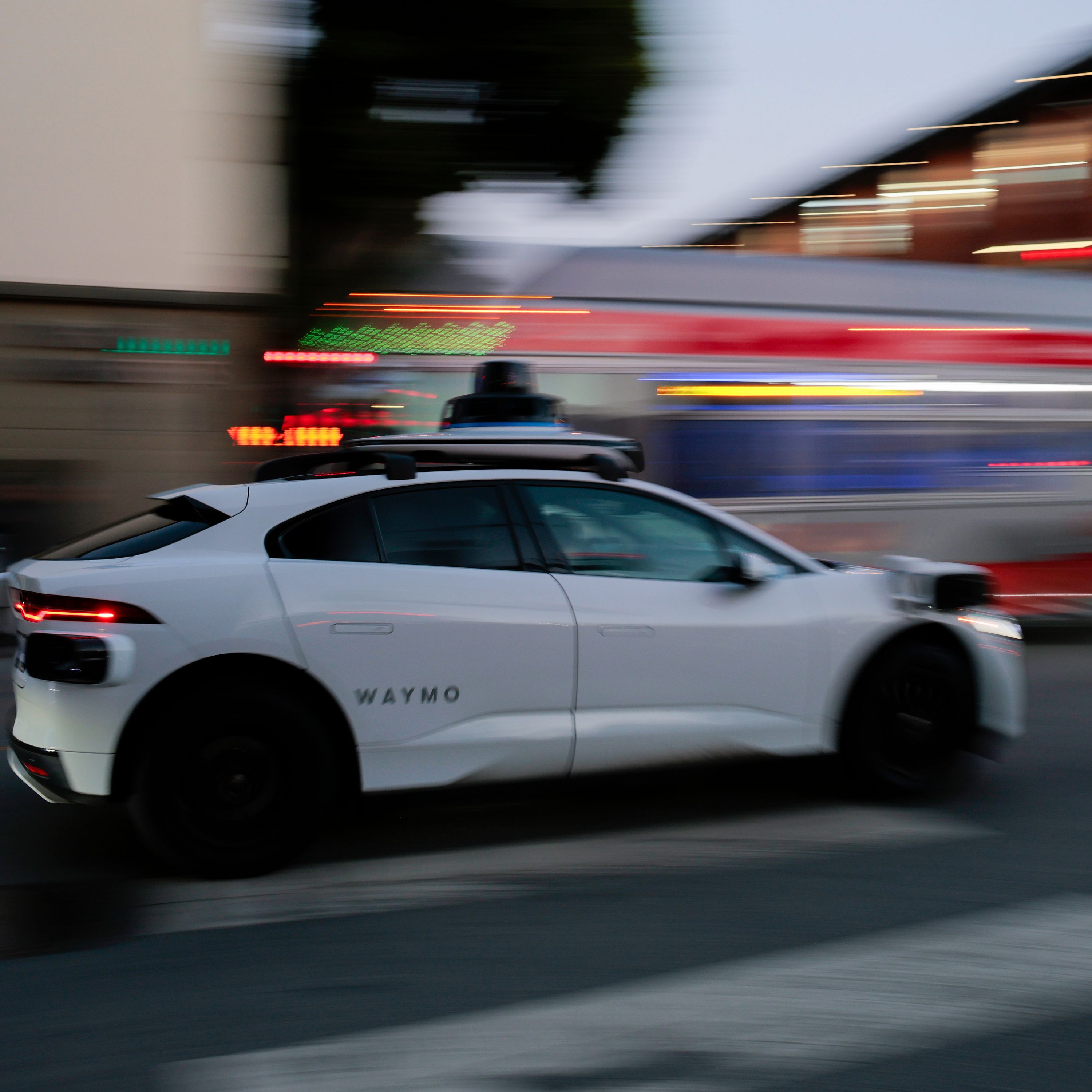
Molly Fischer on Waymo, the Driverless Taxi Coming to a City Near You
Autonomous taxis could reshape urban mobility and driving work, but their appeal depends on whether passengers trust machines more than people.
- 1Waymo offers privacy and convenience while making passengers confront the strangeness of a car without a driver.
- 2Safety claims depend on definitions, while sensor attacks, glitches, and emergency-response failures expose operational weaknesses.
- 3Autonomous taxis may supplement transit before they threaten driving jobs, with expansion plans raising broader questions about employment and regulation.
Don't miss
Molly Fisher says she would probably choose an Uber over a Waymo, despite seeing clear privacy and convenience advantages in driverless rides.
The brief
Molly Fisher’s first Waymo ride revealed the technology’s central contradiction: a driverless car can feel liberatingly private and deeply uncanny at the same time.
Waymo’s appeal is practical as well as psychological, offering passengers freedom from conversation, smells, and unwanted interaction while raising new questions about machine judgment.
Safety comparisons are harder than they look: autonomous vehicles avoid some human errors, yet glitches, attacks on sensors, and blocked emergency responders expose different risks.
The company is expanding beyond warm-weather markets, but its future reaches past transportation: autonomous taxis could alter public transit, regulation, and driving jobs.
Fischer’s final verdict captures the trust gap: despite Waymo’s advantages, she would probably still choose an Uber, except perhaps to indulge her son’s fascination.
Weekly email
State of the Pod, every Monday
The week's most-discussed names and stories from podcasts, with the moments behind them. Free, five minutes, unsubscribe in one click.