Nov 19, 2026 · 1h 5m
Why burnout can disguise itself as indifference
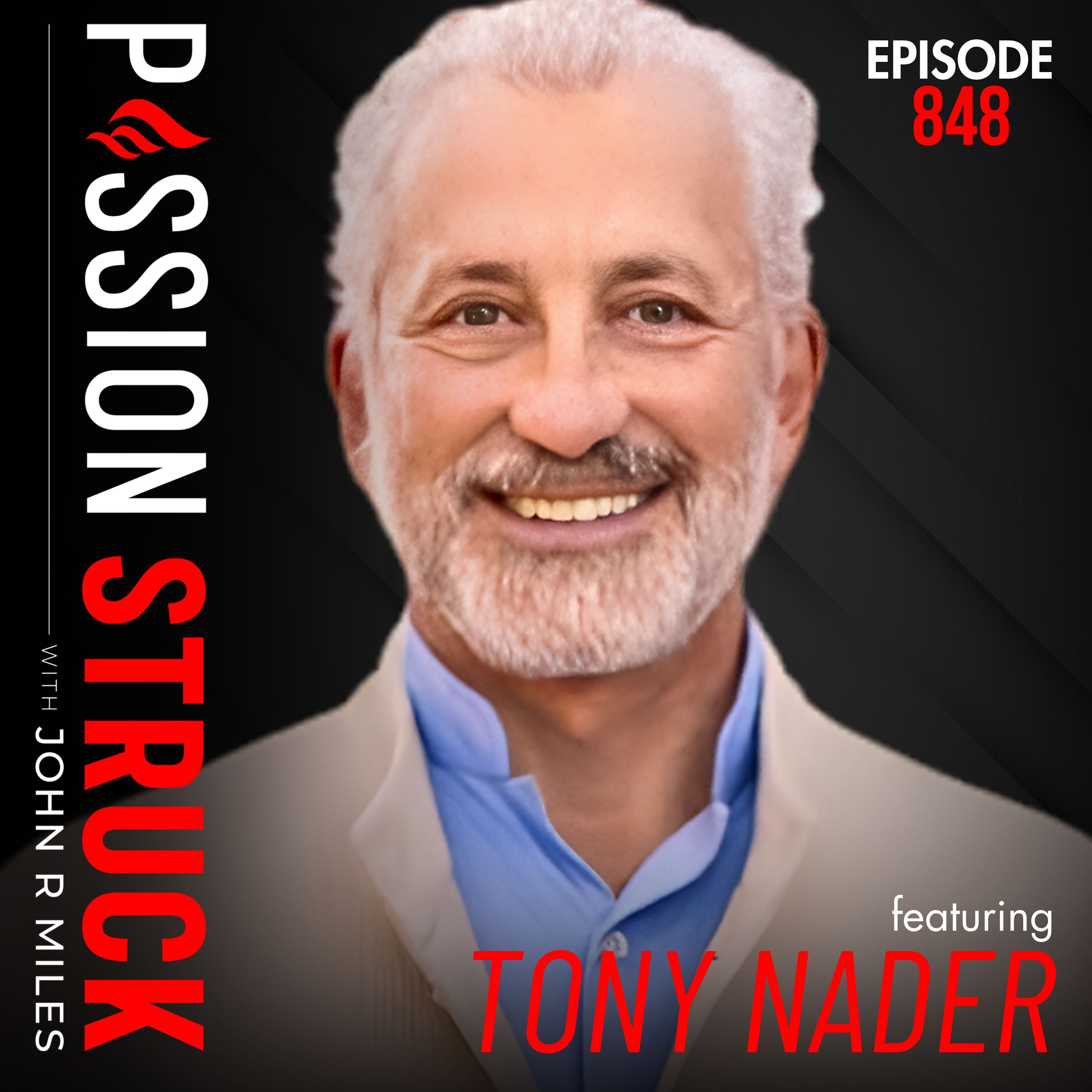
Why You Pretend Not to Care (And What It's Really Hiding) | Dr. Tony Nader - EP 848
The conversation offers a framework for caring sustainably without confusing obligation, overextension, or emotional withdrawal with genuine detachment.
- 1Indifference may protect people from hurt, disappointment, exhaustion, or rejection while leaving their desire for connection intact.
- 2Sustainable care depends on discernment, self-care, and releasing control over outcomes rather than responding to every demand.
- 3A spiral of care can extend from personal stability to relationships, communities, leadership, and wider social purpose.
Don't miss
Nader reframes pretending not to care as a protective response to hurt, burnout, or rejection, then outlines how small acts can rebuild trust.
The brief
Dr. Tony Nader argues that caring is a basic human capacity, but stress, obligation, digital outrage, and constant exposure to problems can turn it into burnout.
The episode’s central tension is emotional indifference: Nader treats it less as apathy than as a defense against hurt, rejection, exhaustion, or disappointment.
Nader links caring to mattering and consciousness, arguing that a broader sense of human unity can reduce loneliness while making care more discerning.
His practical reset starts small: care for the body and mind, pause and breathe, ask what is genuinely yours to do, and release attachment to outcomes.
The conversation ends with a spiral of care that moves from self-care toward relationships, communities, leadership, and purpose through deliberate everyday actions.
Weekly email
State of the Pod, every Monday
The week's most-discussed names and stories from podcasts, with the moments behind them. Free, five minutes, unsubscribe in one click.