Nov 23, 2026 · 53 min
Why explanations clarify reality—and distort it
Why We Ask Why: The Human Drive to Understand | Tania Lombrozo
As AI and expert claims become harder to evaluate directly, understanding how explanations persuade can protect judgment without abandoning inquiry.
- 1Explanations turn facts into mental models that support causal reasoning, prediction, counterfactual thinking, and generalization.
- 2Jargon, confidence, and elaborate narratives can create an illusion of understanding while making weak claims feel credible.
- 3Scientific models can guide action without delivering absolute certainty, leaving room for provisional belief and different kinds of meaning.
Don't miss
Lombrozo explains how jargon can make a weak explanation feel satisfying, producing an illusion of understanding and misplaced trust.
The brief
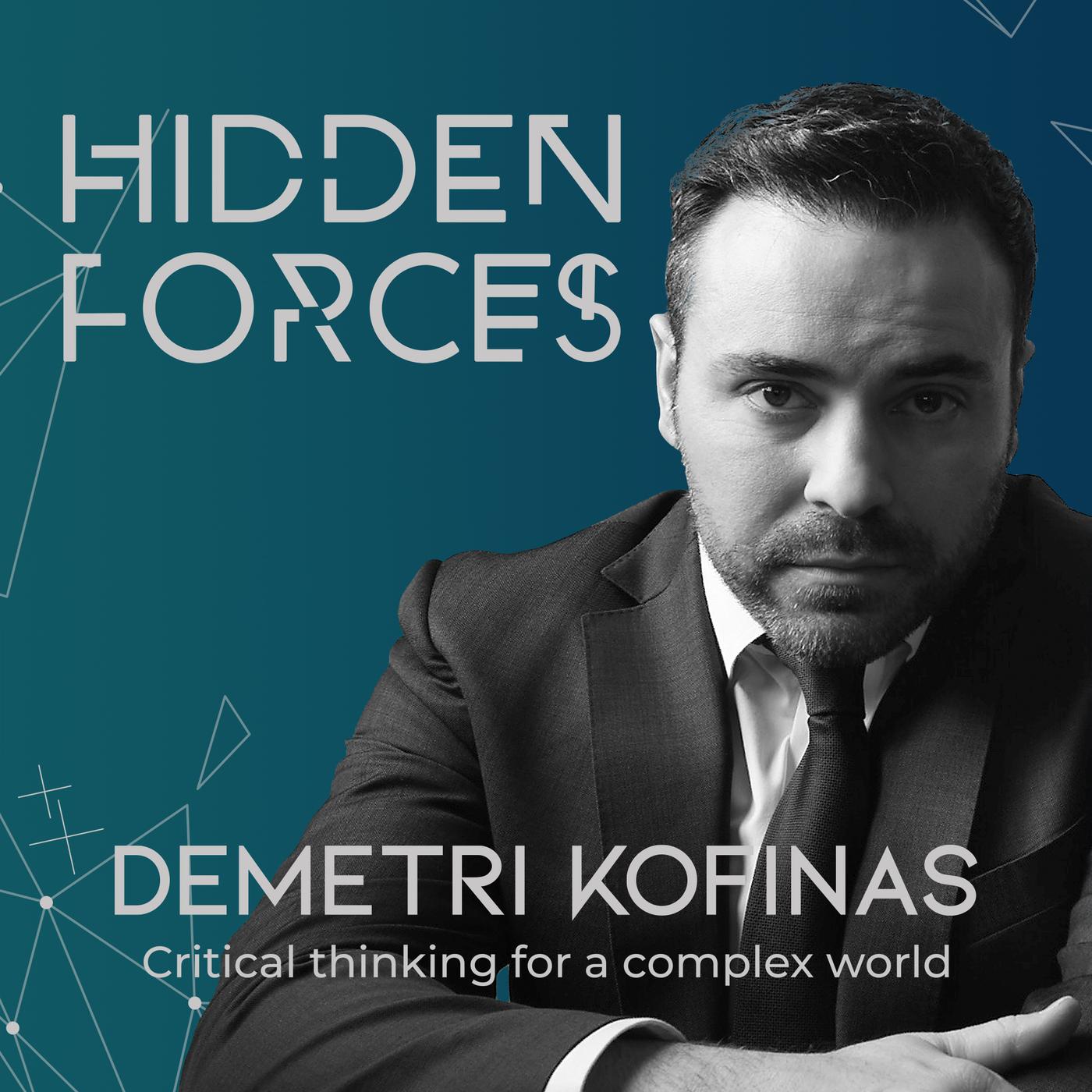
Tania Lombrozo joins Demetri Kofinas to examine why humans ask how and why questions, drawing on cognitive psychology, philosophy, science, and ethics.
Lombrozo argues that understanding is more than possessing facts: it is an integrated mental model that supports causal reasoning, prediction, counterfactuals, and generalization.
The conversation turns to the puzzle of expertise, asking how nonexperts can assess scientists, sources, and AI answers they cannot verify directly.
Jargon, confidence, conspiratorial framing, and explanations that are too simple or too complex can all make weak accounts feel satisfying and credible.
Scientific models may be useful without being certain descriptions of reality, while the desire for meaning can make people both powerful learners and easy targets for manipulation.
Books & mentions
Some links are affiliate links — PodLume may earn a commission if you buy.


Weekly email
State of the Pod, every Monday
The week's most-discussed names and stories from podcasts, with the moments behind them. Free, five minutes, unsubscribe in one click.