Oct 23, 2026 · 31 min
Wicker turns marriage into a question of agency
Wicker and What’s Making Us Happy
The film’s playful fable asks whether creating a sentient companion can produce love without reproducing control, servitude, or social pressure.
- 1Wicker uses a funny, bawdy marriage fable to examine gender, identity, and the social expectations shaping village life.
- 2The panel debates whether the film’s Frankenstein-like premise needed darker philosophical treatment, especially around free will and agency.
- 3Its tactile design, firelit imagery, playful sound, and sexual humor make the film’s ethical questions feel unusually cozy and strange.
Don't miss
The panel’s debate over whether the wicker husband is a loving partner, a created being with emerging autonomy, or a form of servitude.
The brief
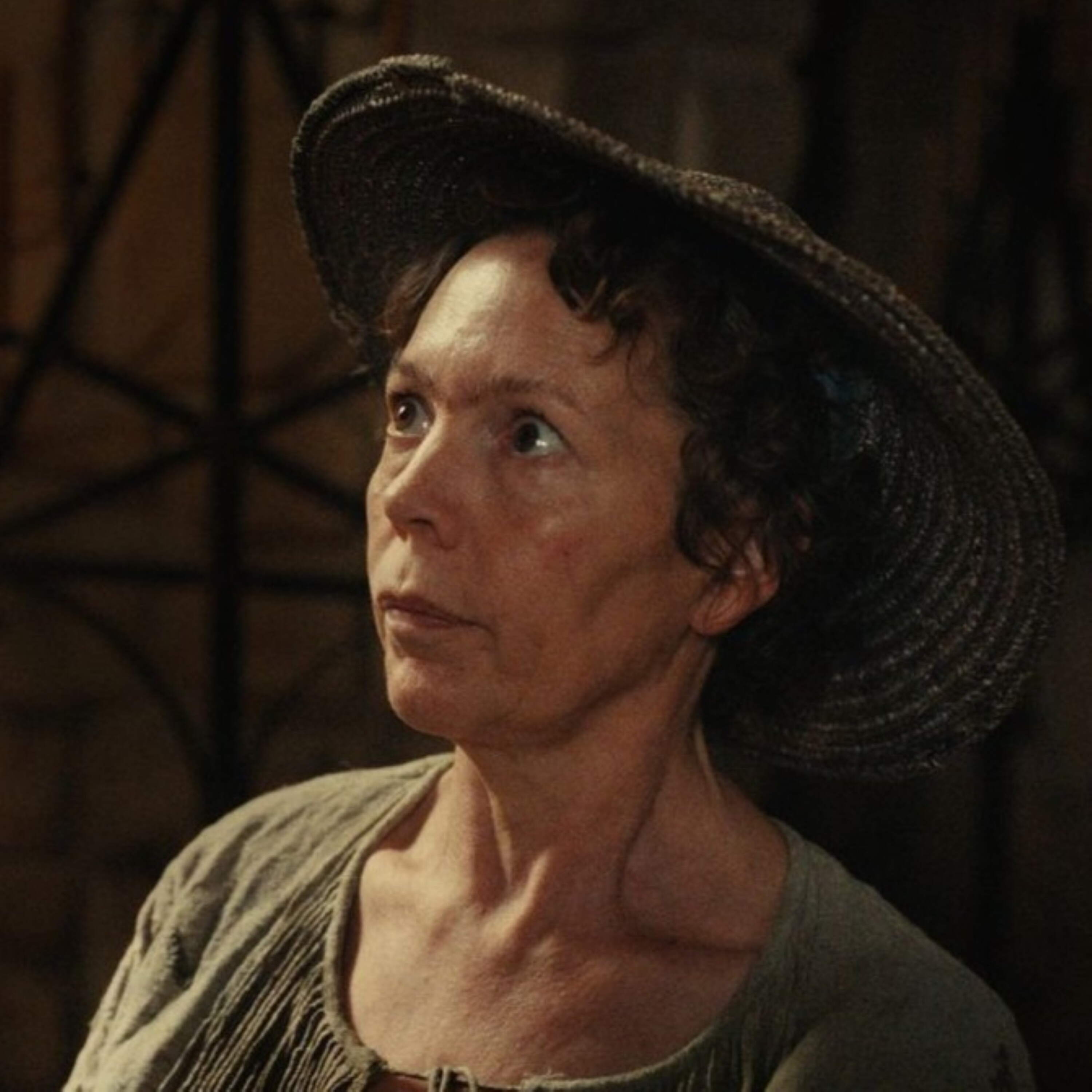
Linda Holmes, Glen Weldon, and Stephen Thompson discuss Wicker, a whimsical and unusually horny medieval fable about a fisherwoman who makes a husband from wicker.
The film’s simple marriage story opens onto questions about gender, identity, and social pressure, as the village women’s lack of identity fuels resentment toward the central couple.
The panel asks whether Wicker should have gone darker or more philosophical, especially once its Frankenstein-like premise raises questions about free will, agency, and creating a sentient companion.
The wicker husband becomes the episode’s central ethical puzzle: is he a partner, a creation, or a form of servitude as his independence emerges?
The hosts praise Wicker’s tactile production design, firelit visuals, playful sound, and sexual humor, then share favorites including music, social media, and Theranos reporting.
Books & mentions
Some links are affiliate links — PodLume may earn a commission if you buy.

Weekly email
State of the Pod, every Monday
The week's most-discussed names and stories from podcasts, with the moments behind them. Free, five minutes, unsubscribe in one click.