Oct 19, 2026 · 2h 41m
World War II Ends Alaska’s Trapline Frontier
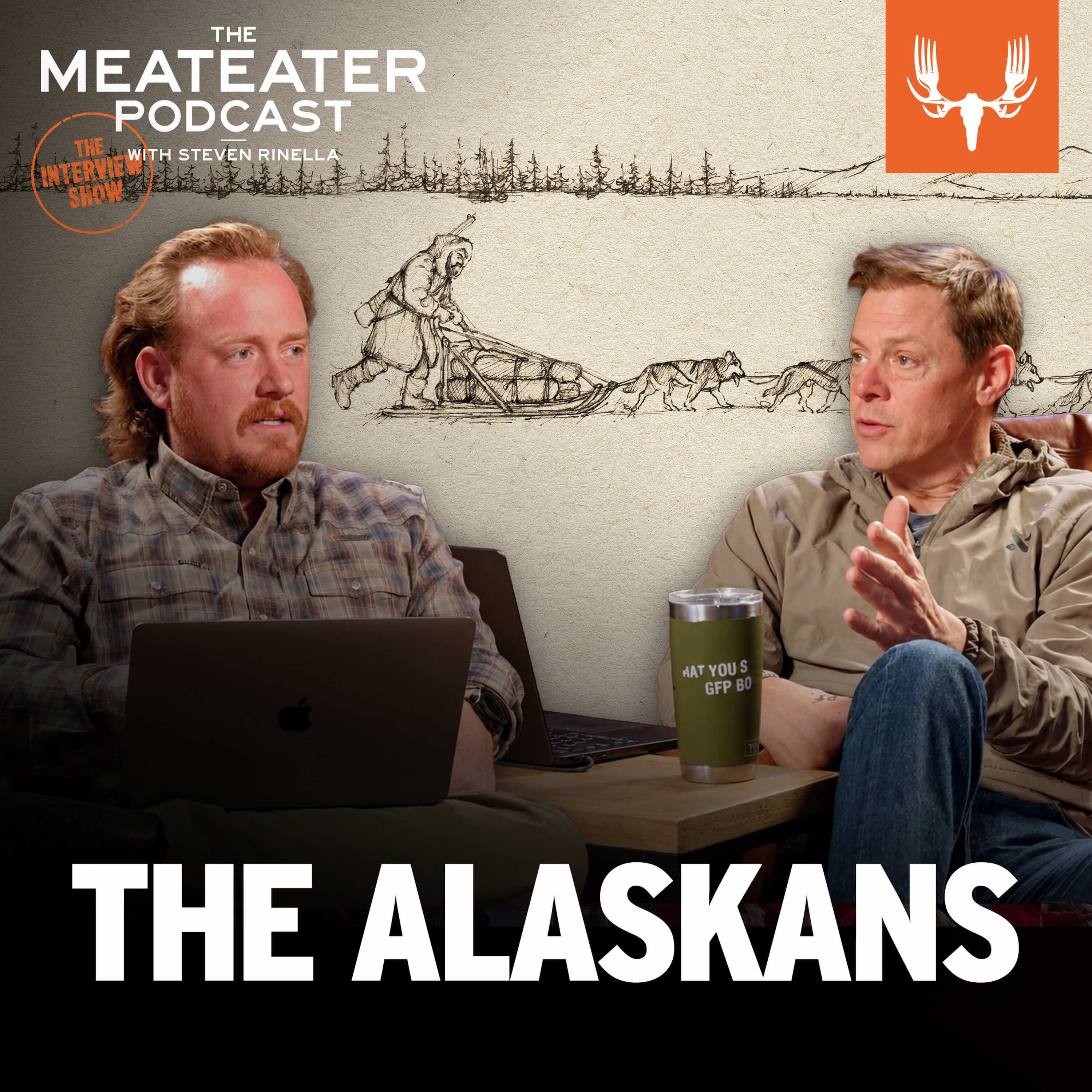
Ep. 948: MeatEater’s American History: The Alaskans
The episode shows how gold-rush migration, Indigenous knowledge, seasonal scarcity, and wartime modernization reshaped Alaska’s interior economy.
- 1The Klondike Gold Rush created the population and infrastructure that enabled Alaska’s early twentieth-century trapping economy.
- 2Interior trappers survived through seasonal travel, stored food, informal supply networks, and knowledge adapted from Athabascan communities.
- 3World War II brought infrastructure and transportation that connected Alaska to the United States and ended its earlier frontier era.
Don't miss
The Leon Crane survival story shows how abandoned cabins, food caches, and help from a Native trapper could determine whether someone survived weeks of isolation.
The brief
Steven Rinella and Randall Williams frame Alaska’s fur trappers as workers in a frontier commodity economy, separated from the distant urban consumers who wore their products.
The Klondike Gold Rush and later Yukon discoveries drew people into Interior Alaska, creating the population, routes, and infrastructure that made trapping possible.
Life on the trapline demanded summer boat travel, winter dog sledding, food caches, seasonal odd jobs, and constant calculations about isolation, money, and danger.
The episode’s “Feast and Famine” excerpt makes scarcity vivid: salmon, whitefish, emergency foods, and stored meat had to carry trappers and dogs through winter.
World War II transformed Alaska with federal investment, aviation, transportation, and military infrastructure, ending the frontier conditions that had sustained the earlier trapping economy.
Weekly email
State of the Pod, every Monday
The week's most-discussed names and stories from podcasts, with the moments behind them. Free, five minutes, unsubscribe in one click.