Oct 20, 2026 · 24 min
A one-day retreat can make saying no easier
Why you should take a 'say no' retreat
The episode frames refusal as a deliberate practice for reclaiming time and energy without taking responsibility for everyone else’s disappointment.
- 1A “say no retreat” creates focused space to identify commitments that drain time, energy, or personal attention.
- 2Kind refusals can begin with manageable requests, alternatives, delayed answers, and less over-explaining.
- 3The practice depends on trusting personal judgment while accepting that other people may feel disappointed.
Don't miss
Sylge explains why tolerating someone else’s disappointment is part of saying no, not evidence that the refusal was wrong.
The brief
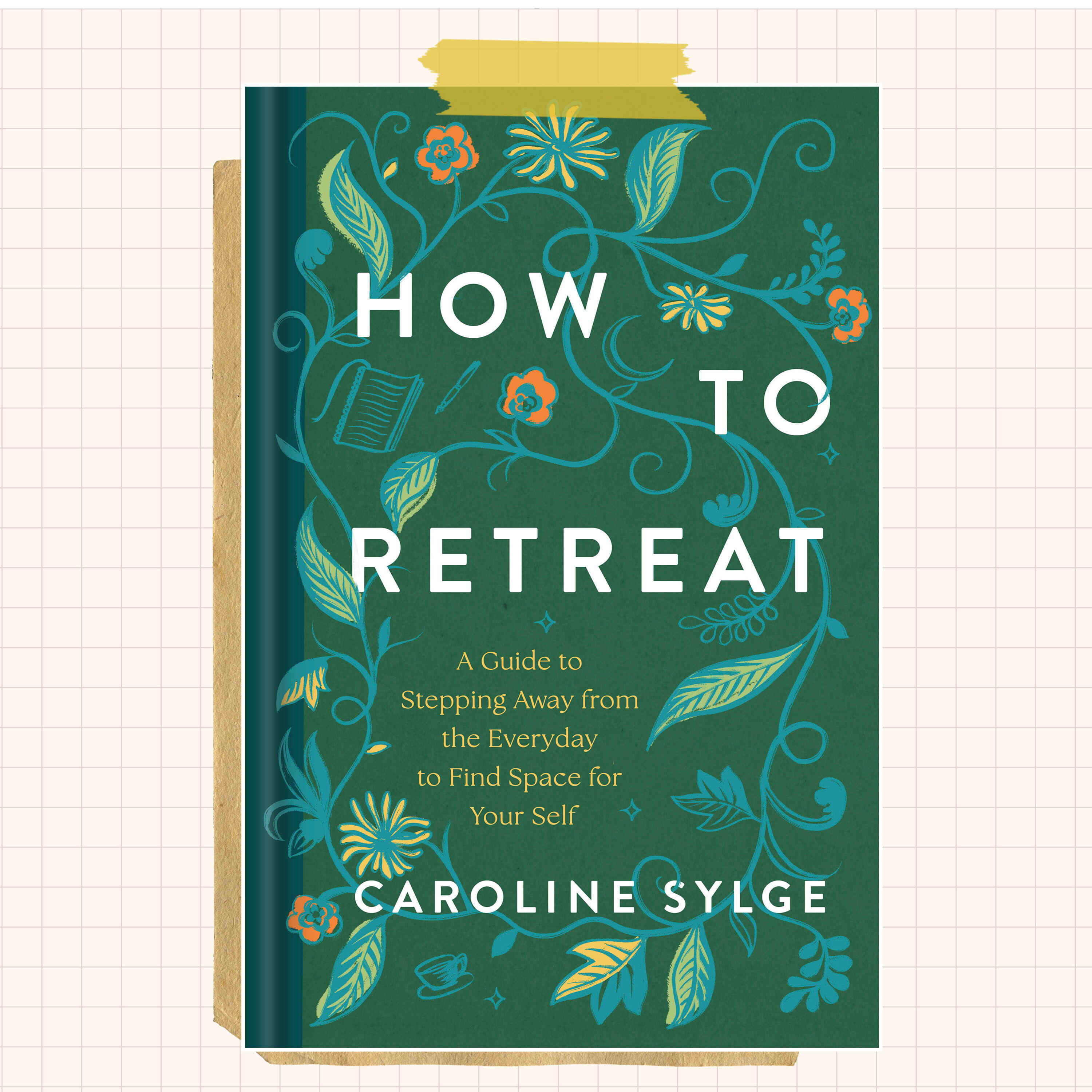
Caroline Sylge introduces the “say no retreat,” a brief, repeatable alternative to an expensive getaway: one day devoted to reclaiming time, energy, and personal space.
The practice starts by putting away devices, creating a retreat space, journaling, and scanning the coming days, weeks, and months for commitments that no longer serve you.
Sylge recommends beginning with one or two easy refusals, then using kind declines, alternatives, or delayed answers instead of lengthy explanations.
The harder part is tolerating discomfort: saying no requires trusting your judgment and recognizing that another person’s disappointment is not automatically your responsibility.
The retreat closes with rest, reflection, and a return to the list, turning a single day of boundary-setting into a practice that can be revisited.
Books & mentions
Some links are affiliate links — PodLume may earn a commission if you buy.
Weekly email
State of the Pod, every Monday
The week's most-discussed names and stories from podcasts, with the moments behind them. Free, five minutes, unsubscribe in one click.