Nov 18, 2026 · 9 min
A patching rush exposes fragile digital infrastructure
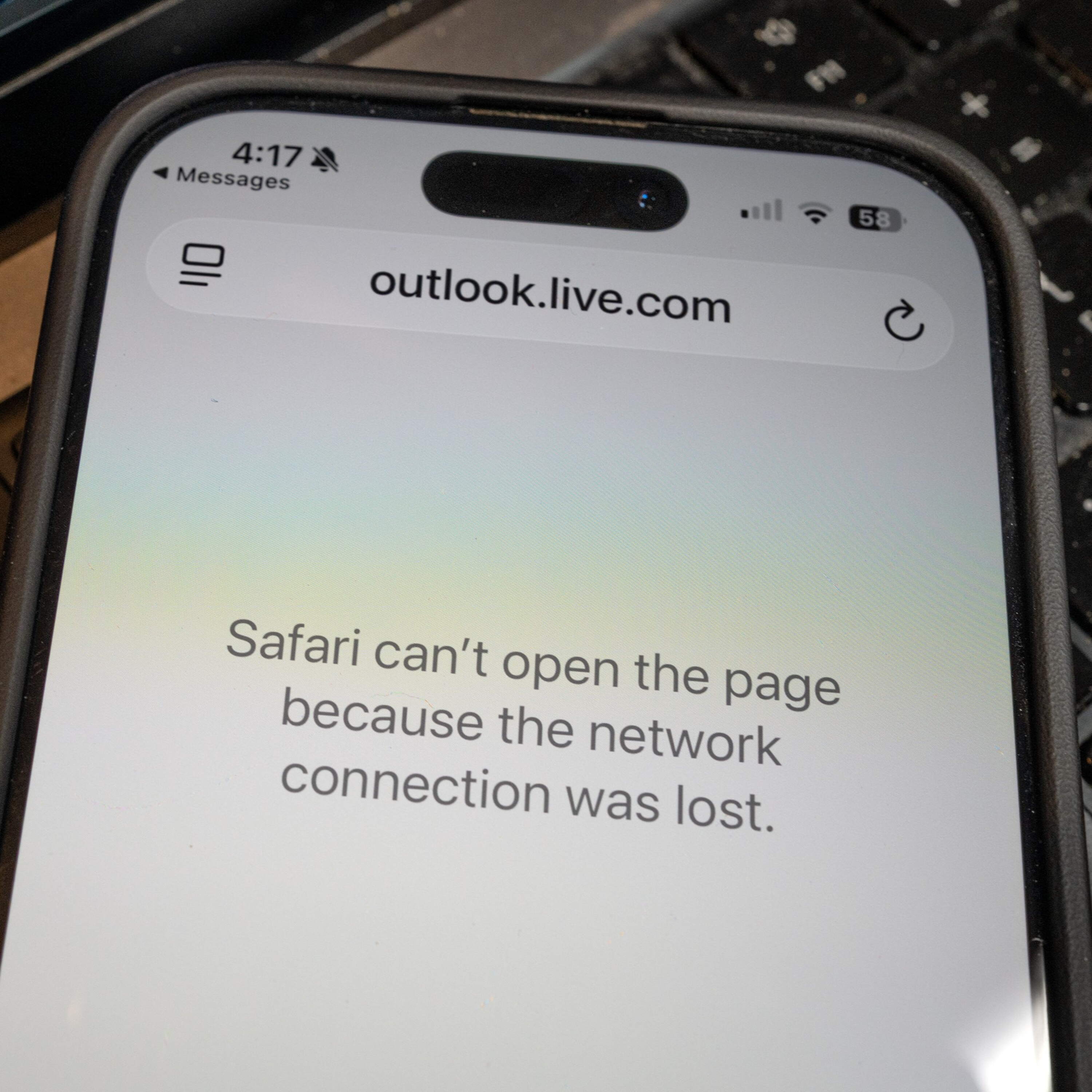
Why does it feel like our technology is breaking?
The outages may be mostly unrelated, but they reveal how aging systems and AI-driven vulnerability discoveries could make disruption more common before security improves.
- 1Most recent outages appear unrelated, reflecting widespread system upgrades rather than one coordinated cyberattack.
- 2AI is uncovering more vulnerabilities, creating a 12-to-18-month rush to patch systems before attackers exploit them.
- 3Automatic updates, two-factor authentication, strong passwords, and household supplies offer limited protection when critical infrastructure fails.
Don't miss
Dmitri Alperovitch uses the FAA outage to show how system complexity and hidden single points of failure can turn a technical problem into broad disruption.
The brief
A cascade of failures hit email, airlines, banks, Apple services, and government communications, raising the question of why digital systems seemed to break at once.
Cybersecurity expert Dmitri Alperovitch says most incidents appear unrelated, but share a deeper cause: organizations are upgrading aging systems as AI reveals more vulnerabilities.
Alperovitch warns of a “patch apocalypse” over the next 12 to 18 months, as rushed fixes create new failures before they eventually produce more secure software.
The episode turns from institutional risk to personal resilience, covering automatic updates, two-factor authentication, strong passwords, and supplies for disruptions beyond individual control.
The FAA outage illustrates the central danger: complex infrastructure can hide single points of failure, leaving ordinary people exposed even when they follow basic security advice.
Weekly email
State of the Pod, every Monday
The week's most-discussed names and stories from podcasts, with the moments behind them. Free, five minutes, unsubscribe in one click.