Nov 17, 2026 · 10 min
Measles exposes America’s widening vaccination gap
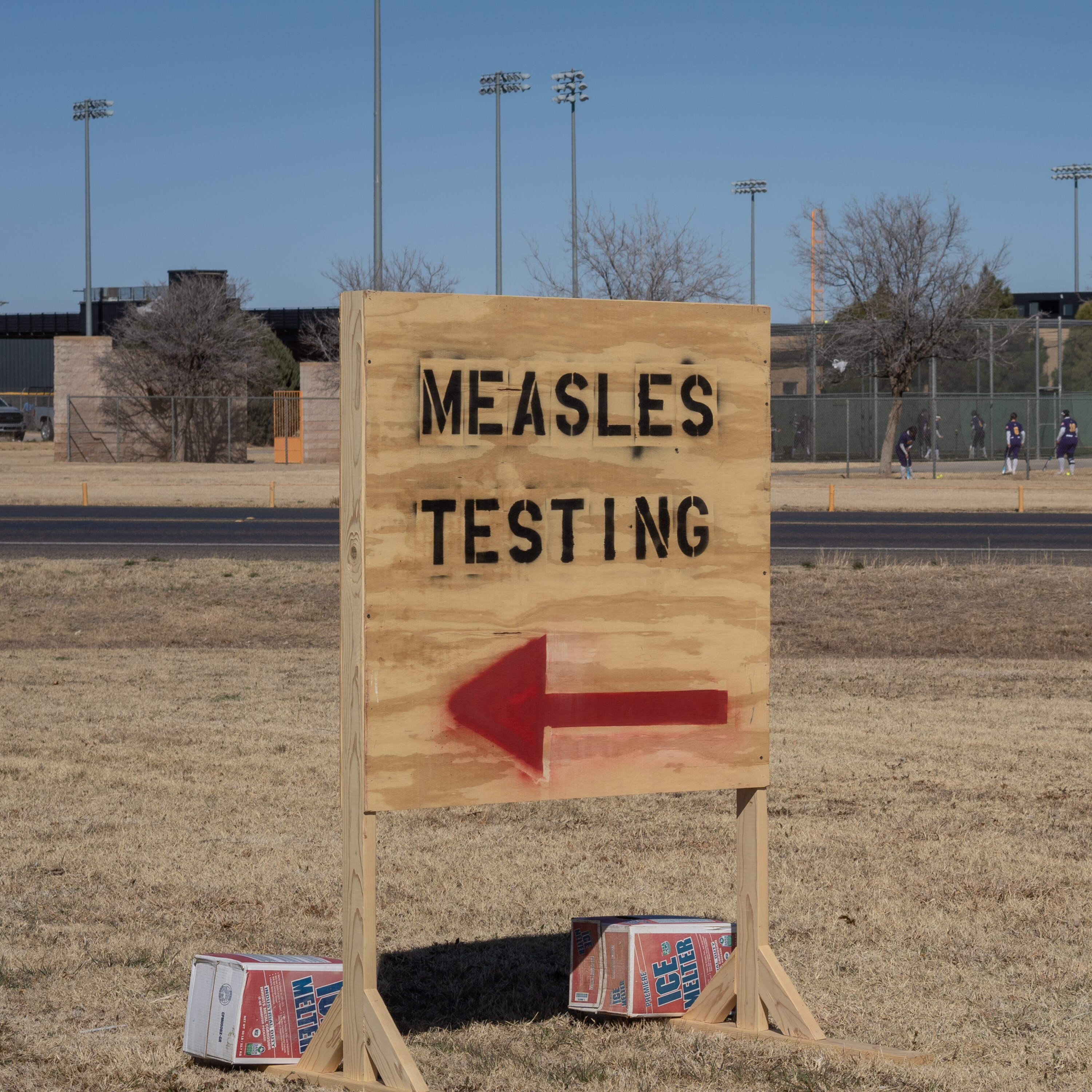
In the U.S., measles is back. Here's what that means
The loss of measles elimination status signals weakening vaccine coverage and raises the risk of setbacks against other preventable diseases.
- 1Pandemic disruptions, vaccine skepticism, and federal leadership failures helped drive childhood vaccination rates lower.
- 2Ashish Jha says protecting infants requires early vaccination options during outbreaks and stronger community-wide coverage.
- 3Measles may foreshadow rising cases of whooping cough, rubella, mumps, and potentially polio.
Don't miss
Ashish Jha frames measles as a canary in the coal mine for wider vaccination setbacks, including whooping cough, rubella, mumps, and polio.
The brief
The United States once eliminated measles, but declining childhood vaccination rates and major outbreaks have now erased that public-health milestone.
Ashish Jha tells Scott Detrow that pandemic disruptions, vaccine skepticism, and federal leadership failures helped drive the measles resurgence.
Because measles spreads exceptionally easily, Jha explains how early vaccination during outbreaks and community-wide protection can shield infants before their first routine shot.
Jha treats measles as a warning for whooping cough, rubella, mumps, and potentially polio—and says rebuilding trust will require clearer communication.
The episode widens the stakes beyond U.S. case counts: losing elimination status has damaged America’s global public-health reputation and leadership.
Weekly email
State of the Pod, every Monday
The week's most-discussed names and stories from podcasts, with the moments behind them. Free, five minutes, unsubscribe in one click.