Oct 1, 2026 · 1h 29m
AI lowers the barriers to biological catastrophe
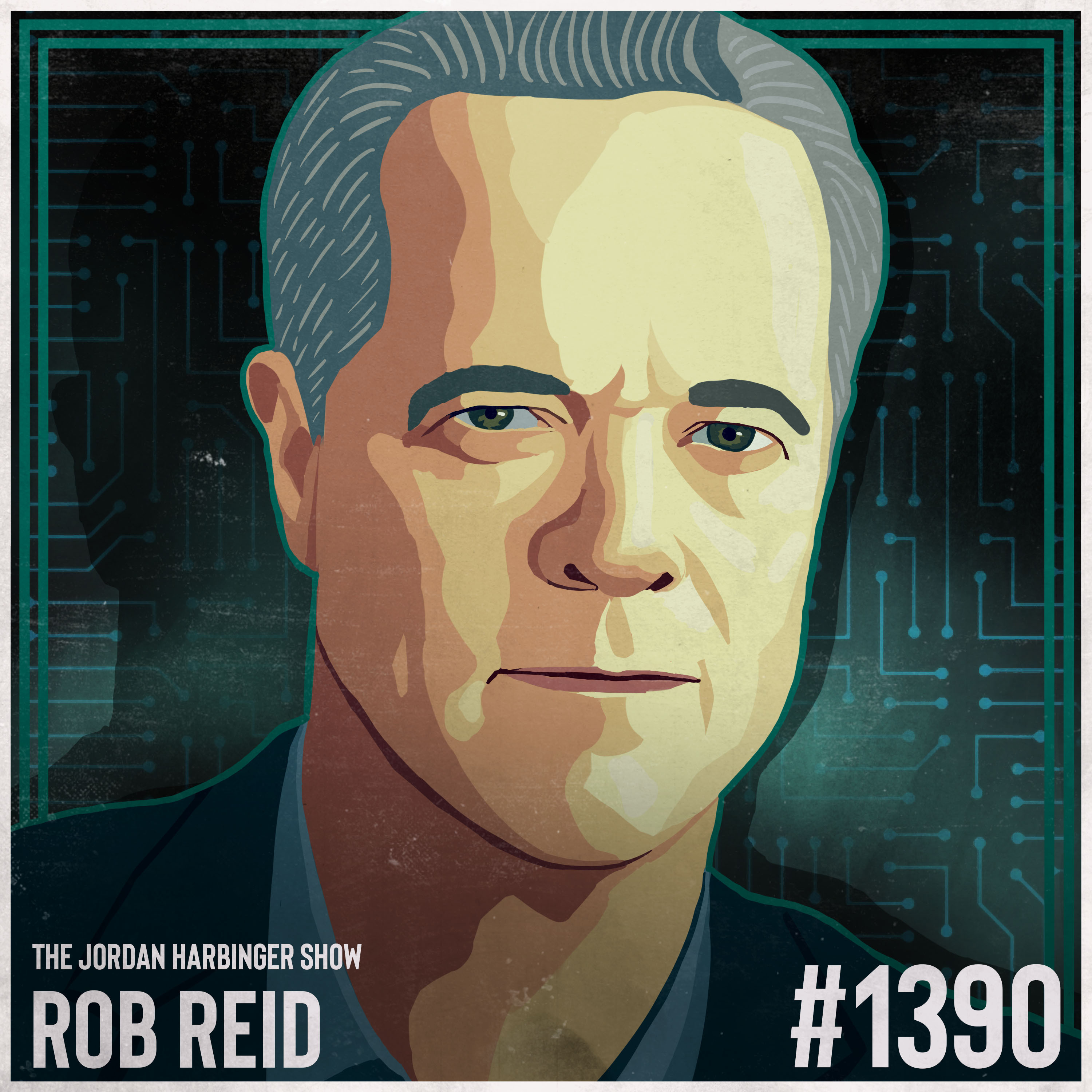
1390: Rob Reid | Pandemic Prevention in an Age of Printable Pathogens
The episode examines how synthetic biology is becoming more accessible while outlining safeguards that could reduce catastrophic risks without stopping useful research.
- 1AI, cloud laboratories, and DNA synthesis could give small groups capabilities once limited to major research institutions.
- 2Open pathogen research and gain-of-function experiments can normalize risks that exceed existing screening and oversight systems.
- 3Early detection, DNA screening, wastewater surveillance, protective equipment, and far-UVC could raise the barrier to biological attacks.
Don't miss
Rob Reid recounts how Kevin Esfeldt ordered pieces of the 1918 flu genome to expose gaps in voluntary DNA screening.
The brief
Rob Reid and Jordan Harbinger begin with AI tools and vulnerable smart devices before turning to a harder question: what happens when biological capabilities become similarly accessible?
The conversation argues that AI, open pathogen information, DNA synthesis, and cloud laboratories could let individuals or small groups attempt work once requiring major institutions.
Reid’s account of Kevin Esvelt’s 1918 flu genome experiment illustrates how voluntary DNA screening can be tested—and how porous safeguards may remain.
The episode links gain-of-function research and government pathogen-mapping efforts to a culture of scientific confidence, prestige, and openness that can underestimate catastrophic downside.
Reid’s proposed response is layered defense: screen DNA orders, monitor wastewater and air, detect outbreaks early, distribute vaccines and PPE, and deploy far-UVC carefully.
The closing tension is not whether synthetic biology should advance, but whether societies can build practical barriers before its benefits and risks scale together.
Books & mentions
Some links are affiliate links — PodLume may earn a commission if you buy.