Nov 19, 2026 · 1h 44m
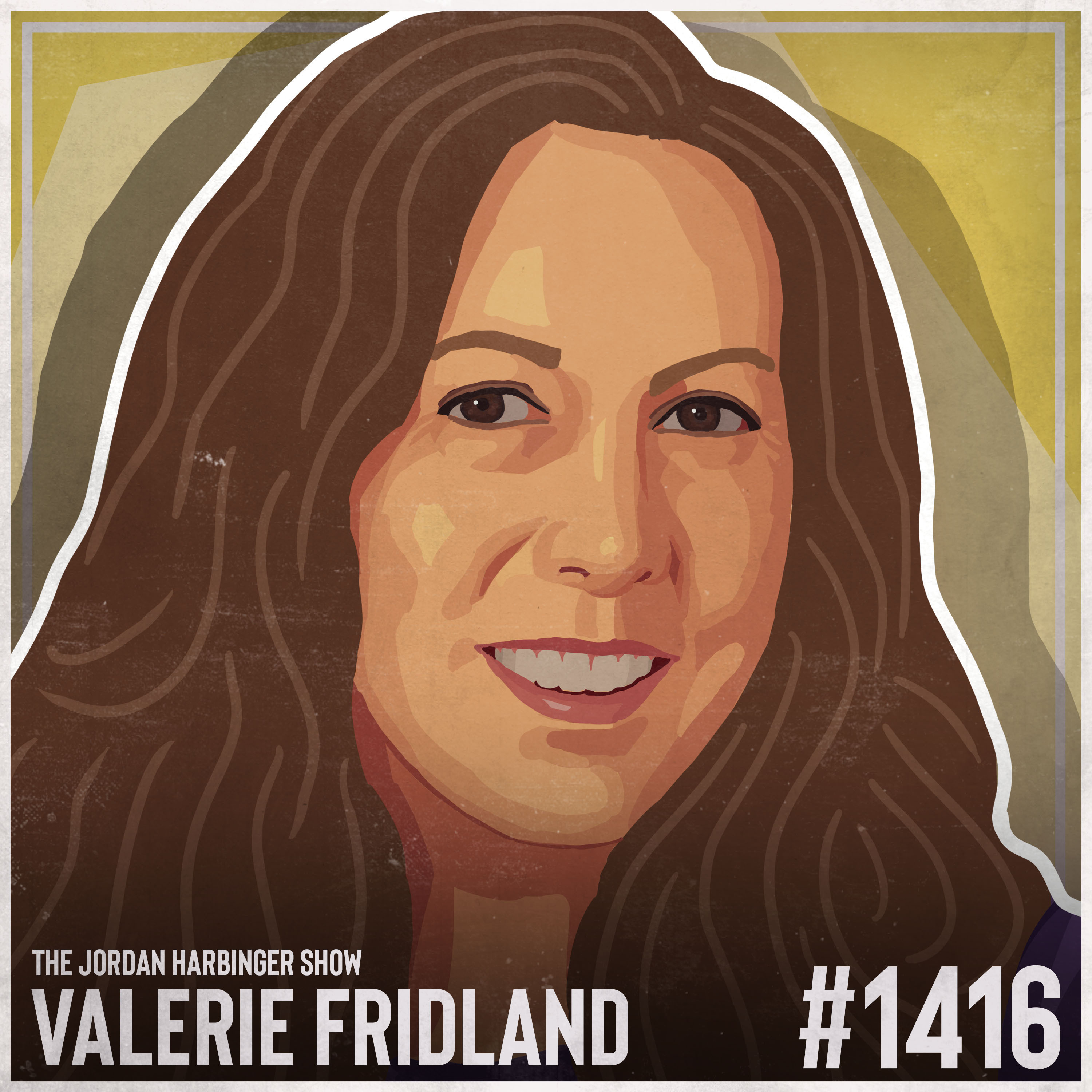
Valerie Fridland dismantles the myth of bad English
1416: Valerie Fridland | Arguing for the Good in Bad English
The episode shows how judgments about speech often reveal social assumptions about intelligence, status, gender, and belonging rather than linguistic accuracy.
- 1Language features such as “aks,” dropped g’s, “like,” and “literally” follow systematic historical and social patterns.
- 2Marginalized groups and young speakers frequently drive language change despite holding less institutional power.
- 3Speech styles can signal solidarity or authority, but listeners often mistake those signals for evidence of character or intelligence.
Don't miss
Fridland explains why “aks” is a historically grounded English form, using sound-switching and regional change to challenge the idea that it is simply wrong.
The brief
Linguistics professor Valerie Fridland argues that “bad English” is usually systematic English: forms such as “aks,” dropped g’s, “like,” and “um” carry history and social meaning.
The conversation traces language change through young speakers and marginalized groups, from “dude” and “y’all” to African-American English and competing pronunciations of “ask.”
Fridland separates linguistic structure from social judgment, showing how “like,” filled pauses, and dropped g’s can communicate approximation, planning, informality, or solidarity.
The episode turns to voice and power: lower pitch, vocal fry, and performed femininity expose the conflicting expectations placed on women’s speech in professional and social settings.
Its central lesson is practical but unsettling: speech can be strategically adapted to a situation, yet reactions to those choices are not reliable measures of intelligence or character.
Weekly email
State of the Pod, every Monday
The week's most-discussed names and stories from podcasts, with the moments behind them. Free, five minutes, unsubscribe in one click.