Nov 17, 2026 · 1h 27m
Poisonous people win influence by making others lose
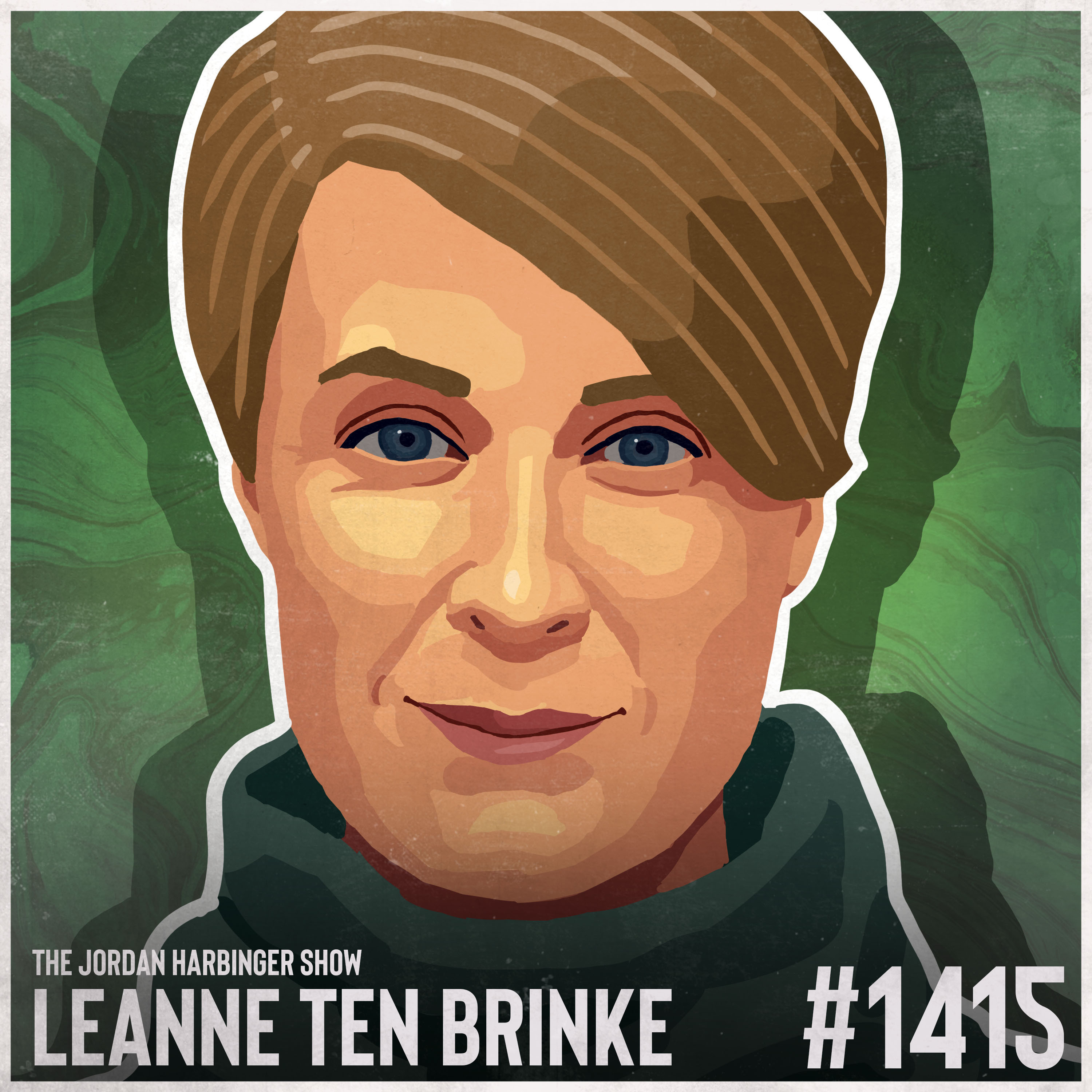
1415: Leanne ten Brinke | The Surprising Antidote to Poisonous People
The episode shows how dark personality traits operate in ordinary institutions and relationships, and how boundaries, incentives, and outside support can limit their damage.
- 1Dark traits exist on a continuum and can shape workplaces, families, and leadership without fitting a criminal stereotype.
- 2Ruthlessness often undermines long-term performance, while dominance can spread conflict and zero-sum thinking through institutions.
- 3Written boundaries, trusted support, strategic rewards, and realistic expectations about change offer practical protection from manipulation.
Don't miss
Ten Brinke recounts how a charming but explosive boss endangered nursing-home patients while institutional systems protected the high performer.
The brief
Psychologist Leanne Ten Brinke moves beyond the serial-killer stereotype, arguing that psychopathic, narcissistic, Machiavellian, and sadistic traits can appear across ordinary institutions.
The key distinction is between isolated bad behavior and stable patterns across time and settings; confidence can mask harmful traits, while ruthlessness may damage long-term performance.
Ten Brinke’s most striking example is a boss whose charm, cruelty, and withheld information endangered nursing-home patients while an organization protected the apparent high performer.
The episode explains how poisonous people may sacrifice their own gains to disadvantage others, spreading dominance contests and zero-sum thinking through teams and institutions.
Protection starts with written boundaries, outside perspective, and incentives that reward performance without granting unnecessary power; change is possible, but expectations must remain realistic.
Weekly email
State of the Pod, every Monday
The week's most-discussed names and stories from podcasts, with the moments behind them. Free, five minutes, unsubscribe in one click.